Movie spotlight
Orpheus and Eurydice
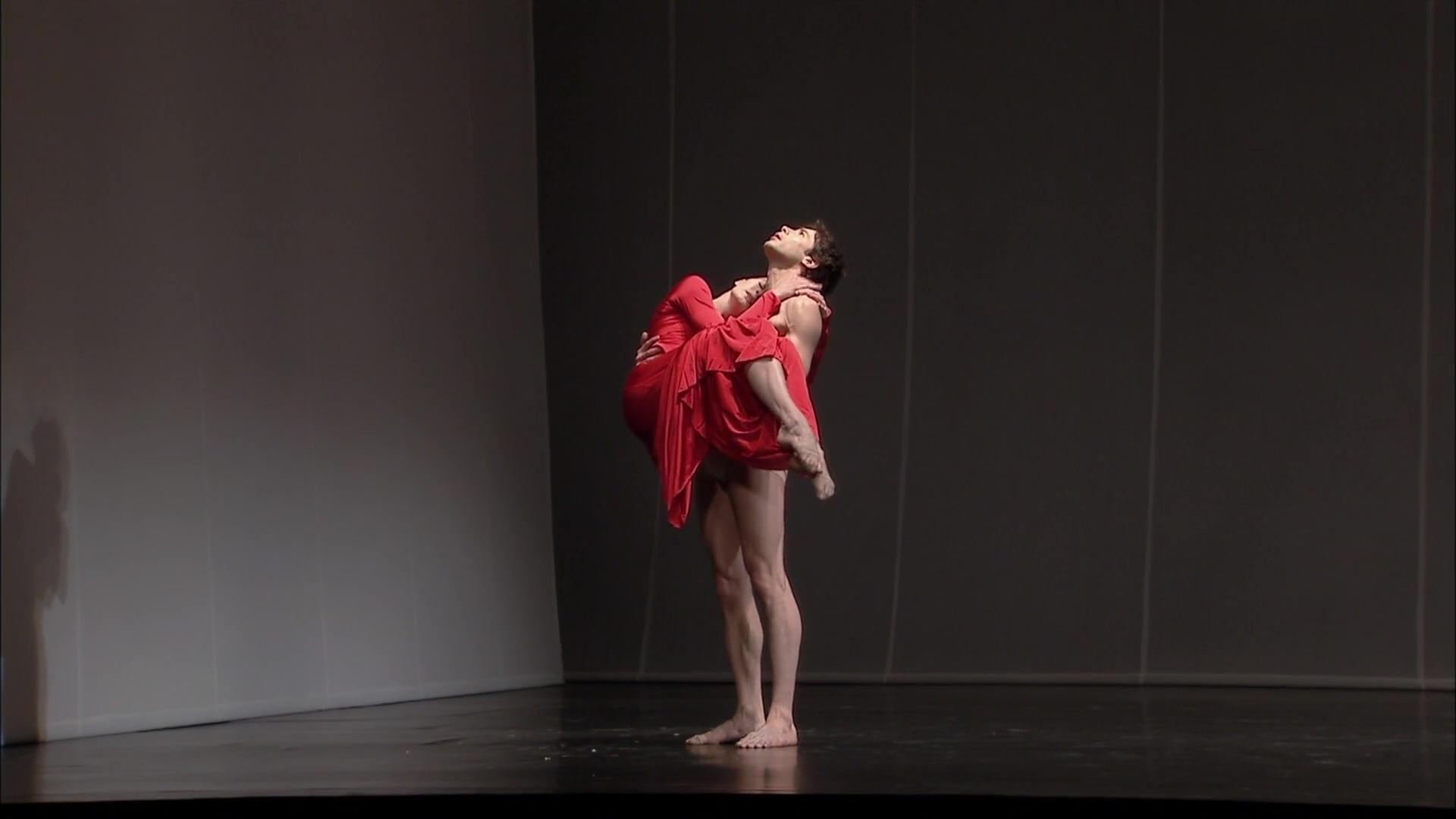
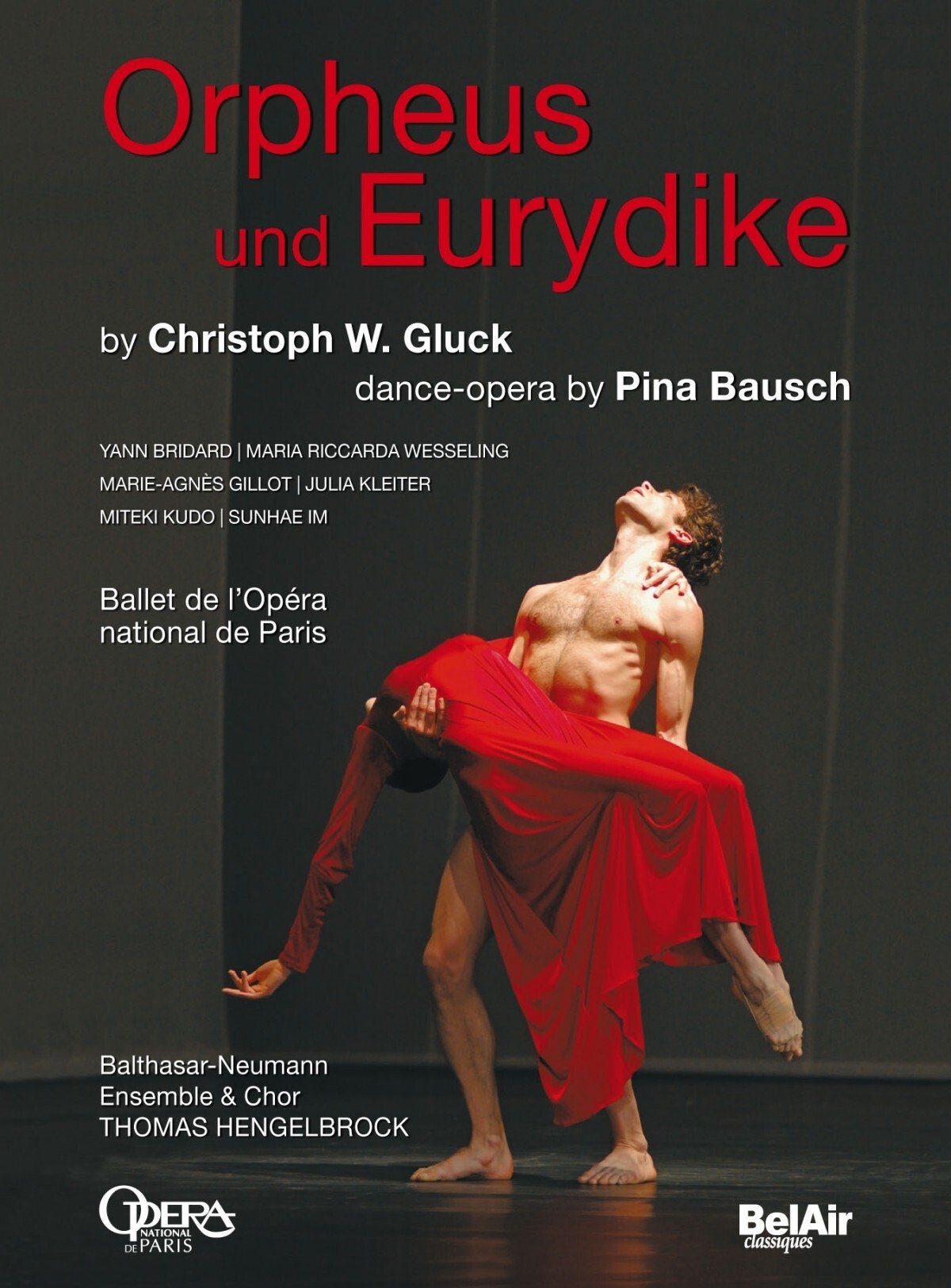
The Ballet de l'Opera National de Paris mounted this production of the late Pina Bausch's dance-opera Orpheus und Eurydike, which Bausch had adapted from composer Christoph Willibald-Gluck and Ranieri de' Calzabigi's 1762 opera Orfeo ed Euridice. As the title suggests, it takes its basic narrative from the myth of Orpheus, and his courageous but ill-fated attempt to rescue his lover Eurydice (also known as Eurydike) from the jaws of the underworld. This particular production finds Yann Bridard dancing as Orpheus and Marie-Agnès Gillot dancing as Eurydike , with mezzo-soprano Maria-Riccarda Wesseling accompanying Bridard and soprano Julia Kleiter accompanying Wesseling. Pina Bausch did the choreography and stage direction, while Rolf Borzik designed the sets, costumes and lighting. The Balthasar-Neumann Ensemble & Choir, under the direction of Thomas Hengelbrock, lend musical accompaniment.
Insights
Plot Summary
Agnès Varda's short documentary 'Orpheus and Eurydice' is a poetic exploration of filmmaking and memory, loosely inspired by the Orpheus myth. Varda uses her own cinematic process and experiences as a lens to examine themes of creation, loss, and the ephemeral nature of art. The film interweaves personal reflection with observations on the creative act, questioning the relationship between the artist and their work, and the indelible marks left behind.
Critical Reception
As a short art film by a celebrated director, 'Orpheus and Eurydice' was primarily seen within festival circuits and art house contexts. It received appreciation for Varda's characteristic introspective style and her ability to imbue a short format with profound thematic depth. While not widely reviewed by mainstream critics, its reception among cinephiles and those familiar with Varda's oeuvre was positive, highlighting its contemplative and deeply personal nature.
What Reviewers Say
Praised for Varda's distinctive, contemplative style.
Appreciated for its poetic exploration of filmmaking and memory.
Seen as a deeply personal and intimate work by the director.
Google audience: Information not available for this specific short art film.
Fun Fact
The film's title and themes allude to the Greek myth of Orpheus, who descended into the underworld to retrieve his deceased wife Eurydice, only to lose her again by looking back.
AI-generated overview · Verify ratings on official sources