Movie spotlight
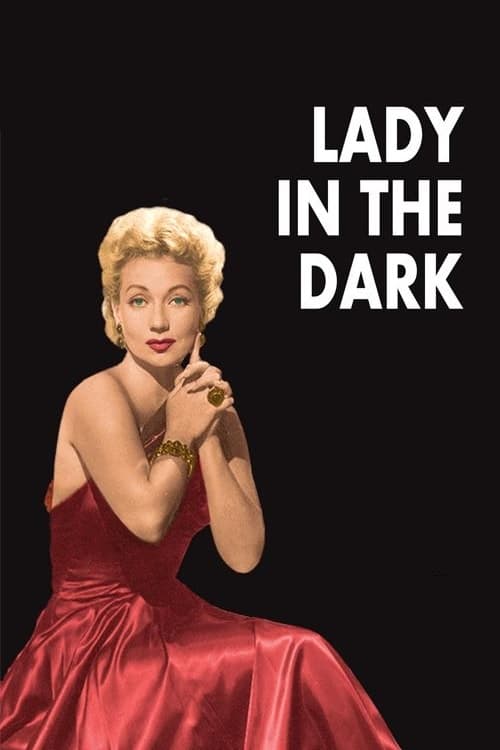
Lady in the Dark
The unhappy female editor of a fashion magazine is undergoing psychoanalysis.
Insights
Plot Summary
A successful magazine editor, Liza Elliott, suffers from recurring nightmares and realizes she has unresolved psychological issues. Seeking help from a psychoanalyst, Dr. Brooks, she delves into her past through dream analysis. As she confronts her subconscious, her personal and professional life become entangled with her newfound self-awareness, leading to a dramatic and musical resolution.
Critical Reception
Lady in the Dark (1954) was a lavish Technicolor musical adaptation of the popular 1941 Broadway musical. While Judy Garland's star power was a major draw, critical reception was somewhat mixed, with some praising the musical numbers and Garland's performance, while others found the story and the film's adaptation from stage to screen to be less effective than its predecessor.
What Reviewers Say
Praised for Judy Garland's energetic performance and the vibrant musical sequences.
Criticized for a somewhat dated plot and a less engaging adaptation compared to the stage original.
The film's visual spectacle in Technicolor was a highlight for many.
Google audience: Audience reviews are generally positive, often highlighting Judy Garland's iconic presence and her ability to carry the musical numbers. Some viewers appreciate the psychological undertones and the glamorous presentation, though a few find the narrative to be less compelling than other musicals of the era.
Fun Fact
This 1954 film version is actually a remake of the 1944 film of the same name, which starred Ginger Rogers and was directed by Mitchell Leisen. The original Broadway musical, which premiered in 1941, was known for its innovative use of psychoanalysis as a plot device.
AI-generated overview · Verify ratings on official sources