Movie spotlight
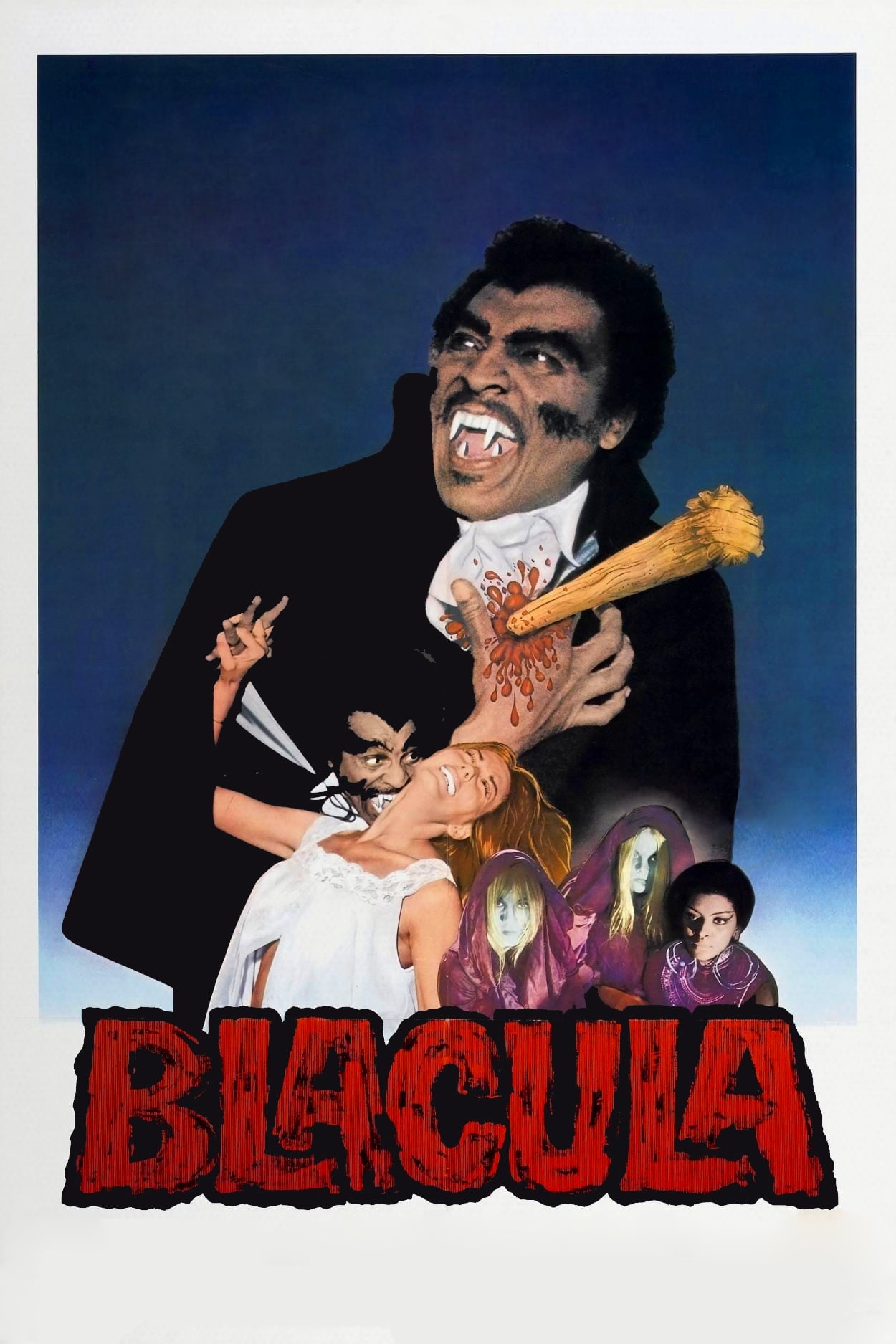
Blacula
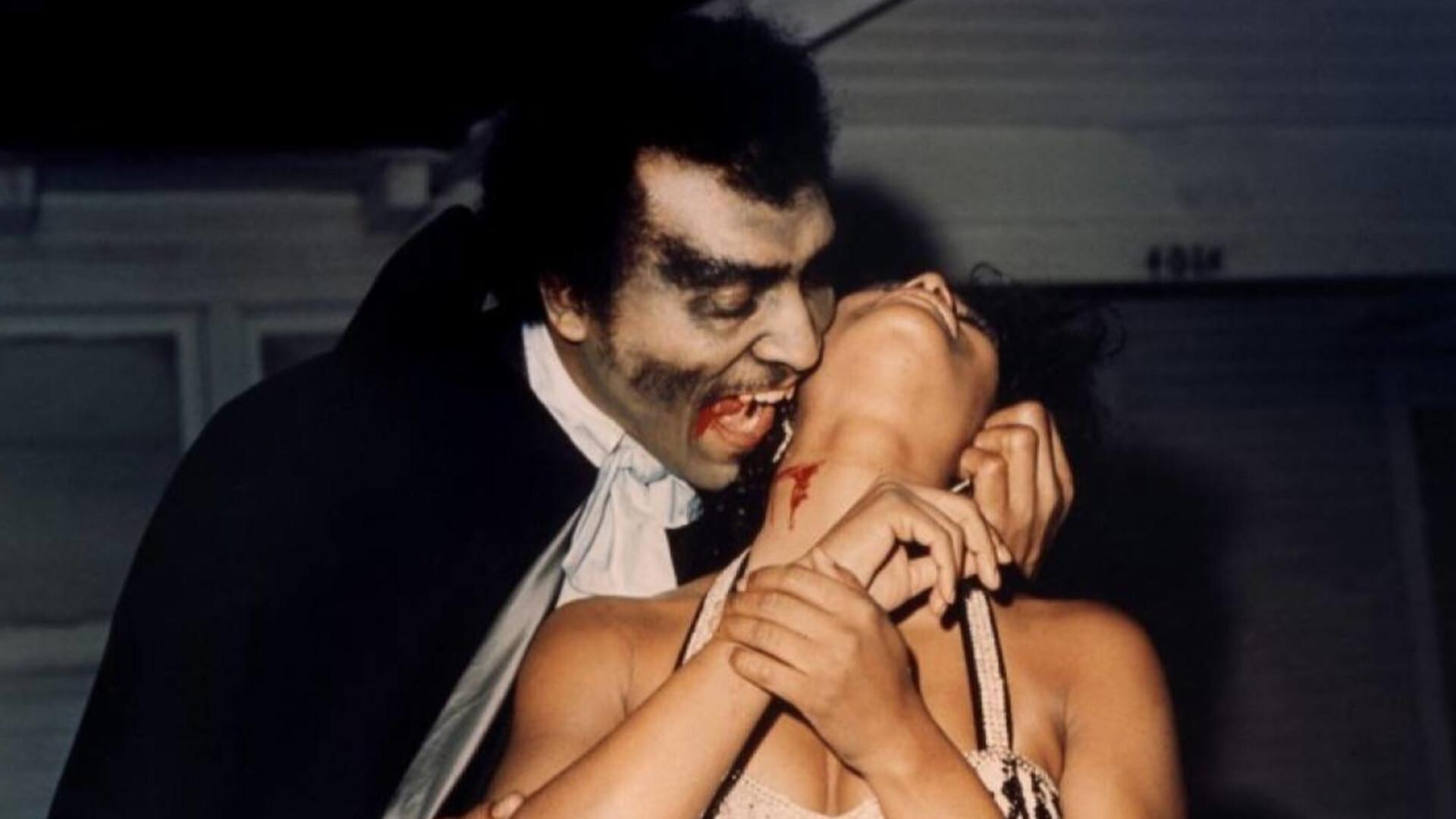
An 18th century African prince is turned into a vampire while visiting Transylvania. Two centuries later, he rises from his coffin attacking various residents of Los Angeles and meets Tina, a woman who he believes is the reincarnation of his deceased wife.
Insights
Plot Summary
In 1780, African prince Mamuala attempts to thwart the slave trade by seeking the aid of Count Dracula, only to be turned into a vampire himself. He is later transported to Los Angeles in the 1970s, where he struggles to adapt to modern society while continuing his curse. As he navigates the vibrant city, he finds himself drawn to Tina, a woman who reminds him of his lost love, and must confront the supernatural forces that brought him to this new world.
Critical Reception
Blacula was a significant commercial success and is considered a landmark film in the Blaxploitation and horror genres. While critical reception at the time was mixed, acknowledging its novelty and entertainment value, it has since been recognized for its unique blend of horror, social commentary, and supernatural themes, earning a cult following.
What Reviewers Say
Praised for its innovative approach to the vampire mythos within the Blaxploitation framework.
William Marshall's performance as the titular vampire is often cited as a major strength.
Appreciated for its blend of genuine horror elements with social commentary and occasional humor.
Google audience: Audience reviews often highlight the film's unique cultural impact and its success in subverting traditional vampire tropes. Many appreciate the strong lead performance and the film's ability to entertain while addressing themes of race and identity.
Fun Fact
Blacula was one of the first major horror films directed by an African American, William Crain, and its success paved the way for other Blaxploitation horror films.
AI-generated overview · Verify ratings on official sources