Movie spotlight
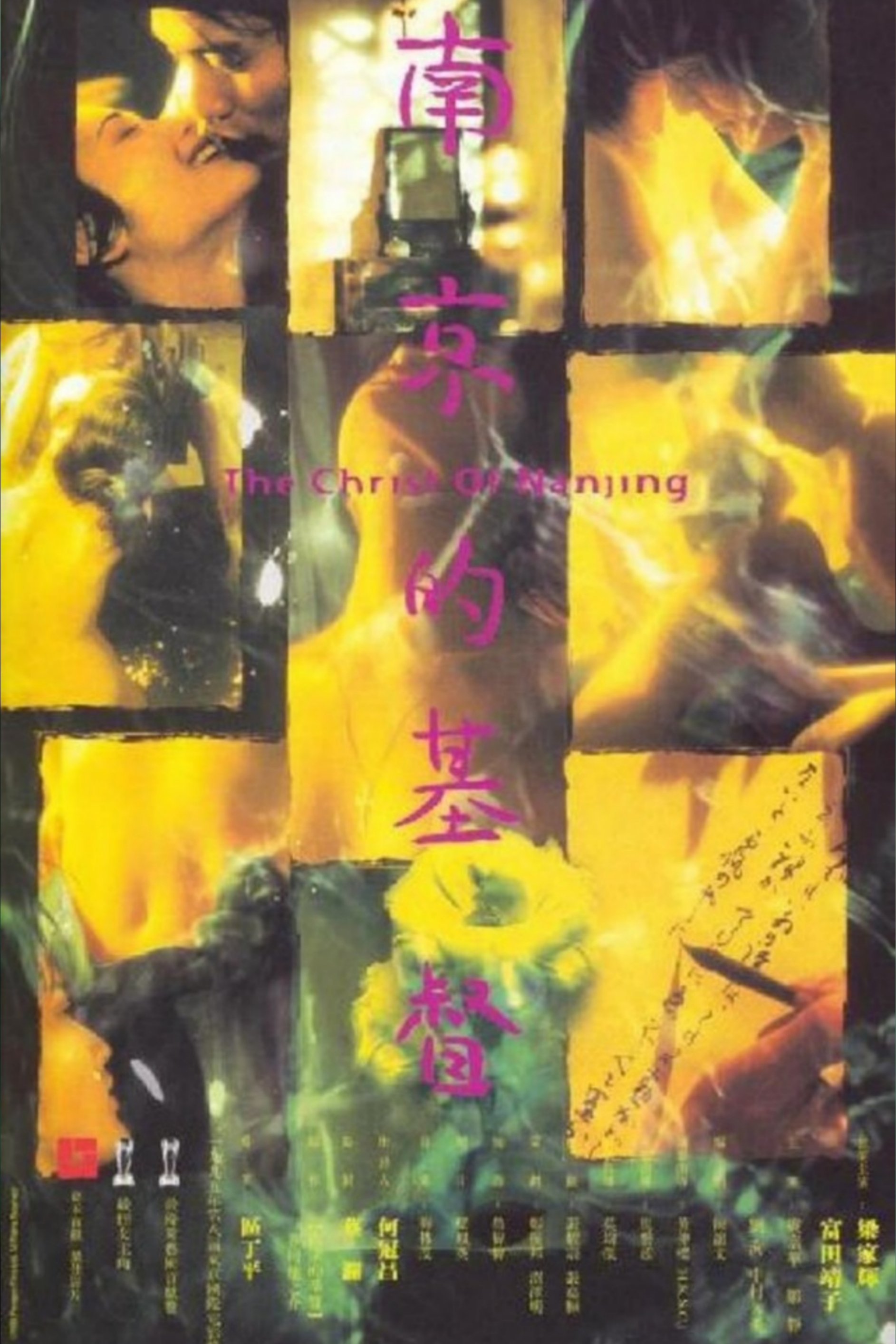
The Christ of Nanjing
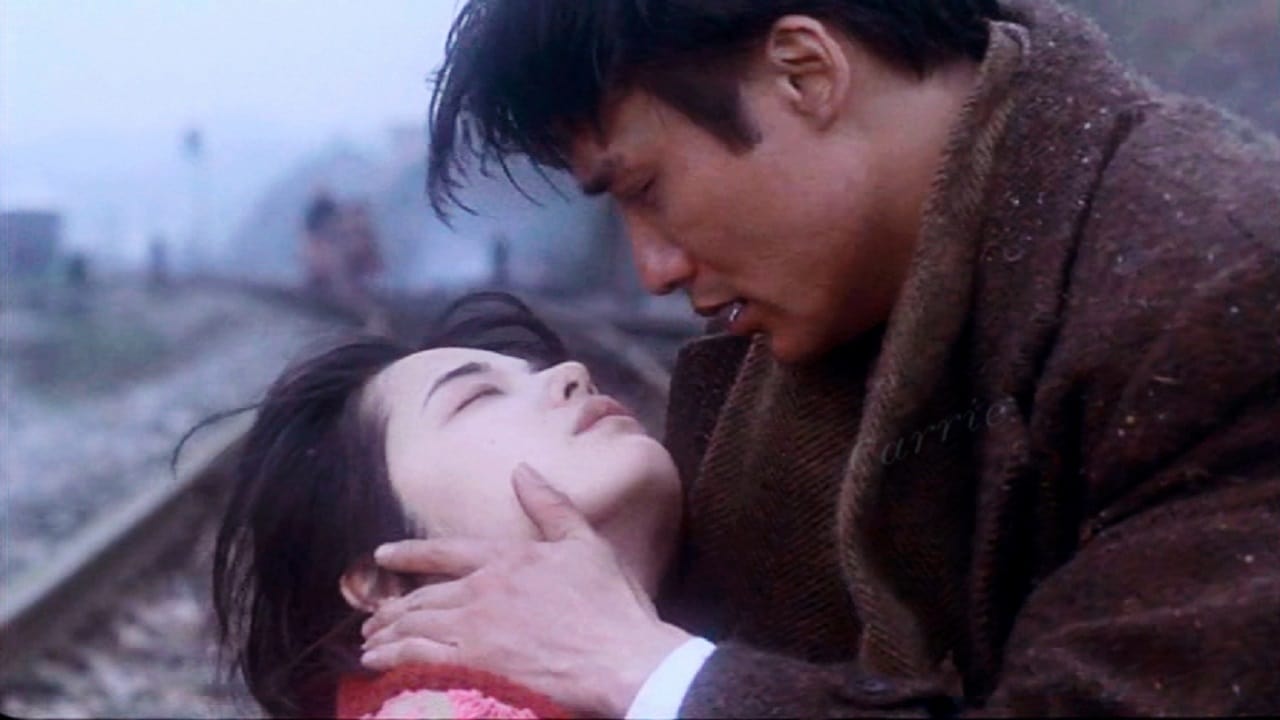
Ryuichi Okagawa, a Japanese writer who worked as a reporter in China has been sick ever since his return home. While in China, Okagawa had met a devoutly religious girl named Jin-hua. Okagawa was born with a predisposition to agonizing recurrent migraines, but found happiness with Jin-hua and married her. Unfortunately, he already had a wife in Japan, and this revelation crushed Jin-hua. When Okagawa returned home, leaving Jin-hua behind, she was forced to work as a prostitute, catching both a severe case of the flu and a rather less socially acceptable condition. Meanwhile, Okagawa's guilt has torn him apart enough for him to return to China in an attempt to bring Jin-hua home with him to get medical attention, but the girl is already too far gone for his help.
Insights
Plot Summary
A comedic and fantastical story centered around a character who gains divine powers after a near-death experience. He uses his newfound abilities to help those in need, often with hilarious and unexpected consequences, while grappling with his own mortality and the meaning of his existence. The film blends slapstick humor with poignant moments of reflection on life, faith, and human connection.
Critical Reception
While the film achieved significant box office success in its native Hong Kong and is a beloved classic among fans of Stephen Chow's early work, critical reception was more mixed internationally. Critics often praised its unique blend of humor and pathos, as well as Chow's performance, but some found the narrative convoluted and the humor occasionally juvenile.
What Reviewers Say
Praised for its innovative blend of slapstick comedy and heartfelt drama.
Stephen Chow's performance as a reluctant savior is a highlight.
Some found the plot occasionally uneven and the supernatural elements underdeveloped.
Google audience: Audiences generally appreciate the film's unique comedic style and emotional depth, though some felt the story could be more cohesive.
Fun Fact
The film was originally intended to be a more straightforward drama, but Stephen Chow's improvisational style and comedic instincts led to the development of its signature blend of genres.
AI-generated overview · Verify ratings on official sources