Movie spotlight
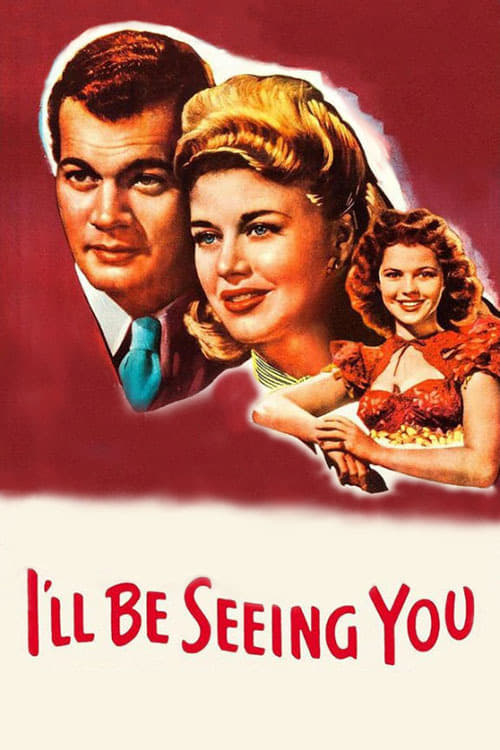
I'll Be Seeing You
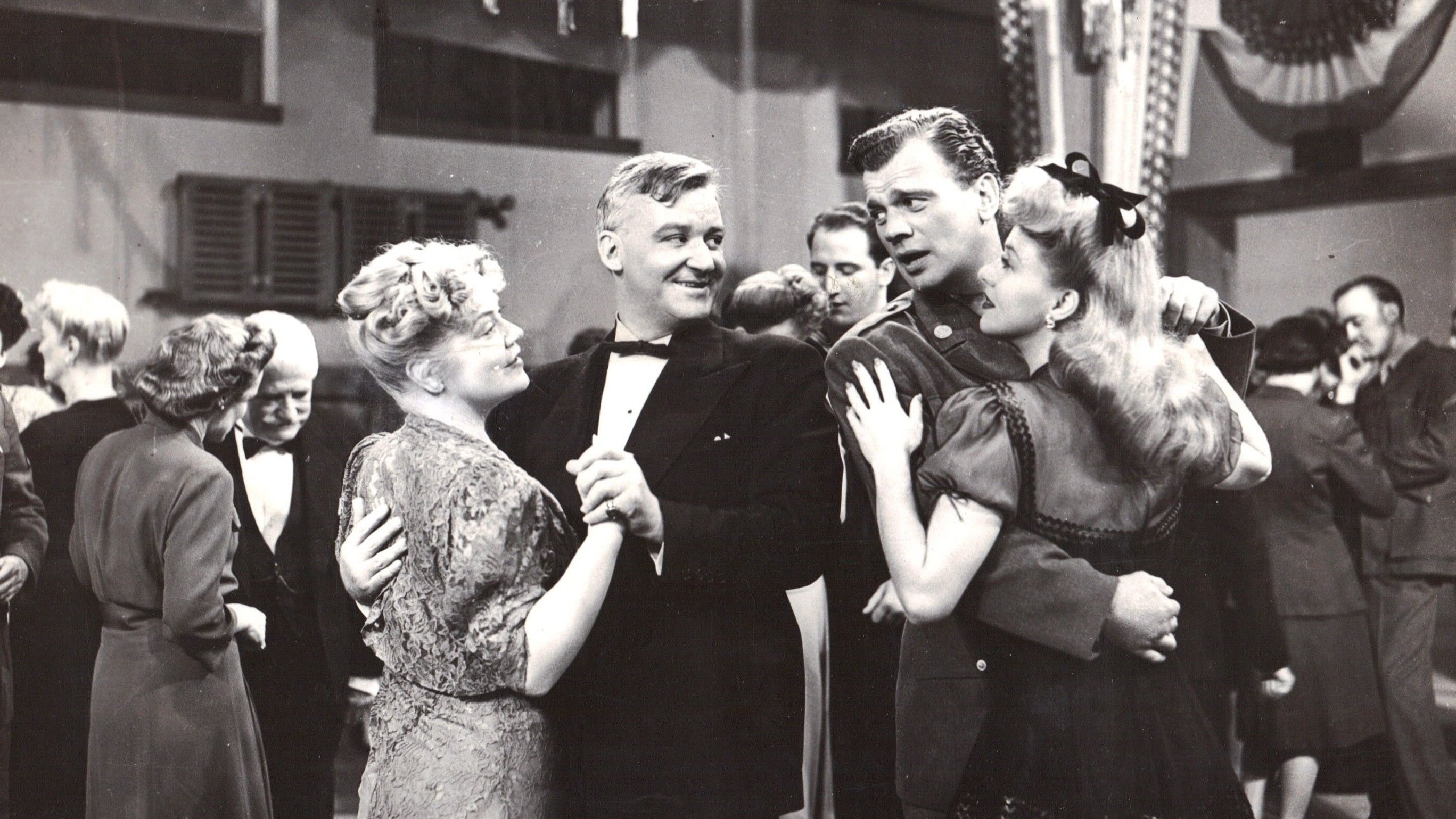
Mary Marshall, serving a six year term for accidental manslaughter, is given a Christmas furlough from prison to visit her closest relatives, her uncle and his family in a small Midwestern town. On the train she meets Zach Morgan, a troubled army sergeant on leave for the holidays from a military hospital. Although his physical wounds have healed, he is suffering from post-traumatic stress disorder and is subject to panic attacks. The pair are attracted to one another and in the warm atmosphere of the Christmas season friendship blossoms into romance, but Mary is reluctant to tell him of her past and that she must shortly return to prison to serve the remainder of her sentence.
Insights
Plot Summary
A young woman, recently released from prison after serving time for a crime she did not commit, tries to rebuild her life. She takes a job as a companion to a wealthy, elderly man, but her past haunts her, and she falls for the man's son, who is also dealing with his own personal demons. The film explores themes of guilt, redemption, and the complexities of human relationships against the backdrop of wartime.
Critical Reception
I'll Be Seeing You received mixed to positive reviews upon its release. Critics generally praised the performances of the lead actors, particularly Ginger Rogers and Joseph Cotten, and the film's sensitive handling of its dramatic themes. Some found the plot to be melodramatic, but many appreciated its emotional depth and its portrayal of individuals grappling with personal struggles during wartime.
What Reviewers Say
Praised for strong performances, especially from Ginger Rogers and Joseph Cotten.
Appreciated for its emotional depth and sensitive exploration of redemption.
Some critics found the narrative somewhat melodramatic.
Google audience: Audience reception data for Google reviews is not readily available for this older film.
Awards & Accolades
None notable.
Fun Fact
The film's title song, 'I'll Be Seeing You,' became immensely popular during World War II and is often associated with the wartime era, although it was not originally written for the film.
AI-generated overview · Verify ratings on official sources