
Movie spotlight
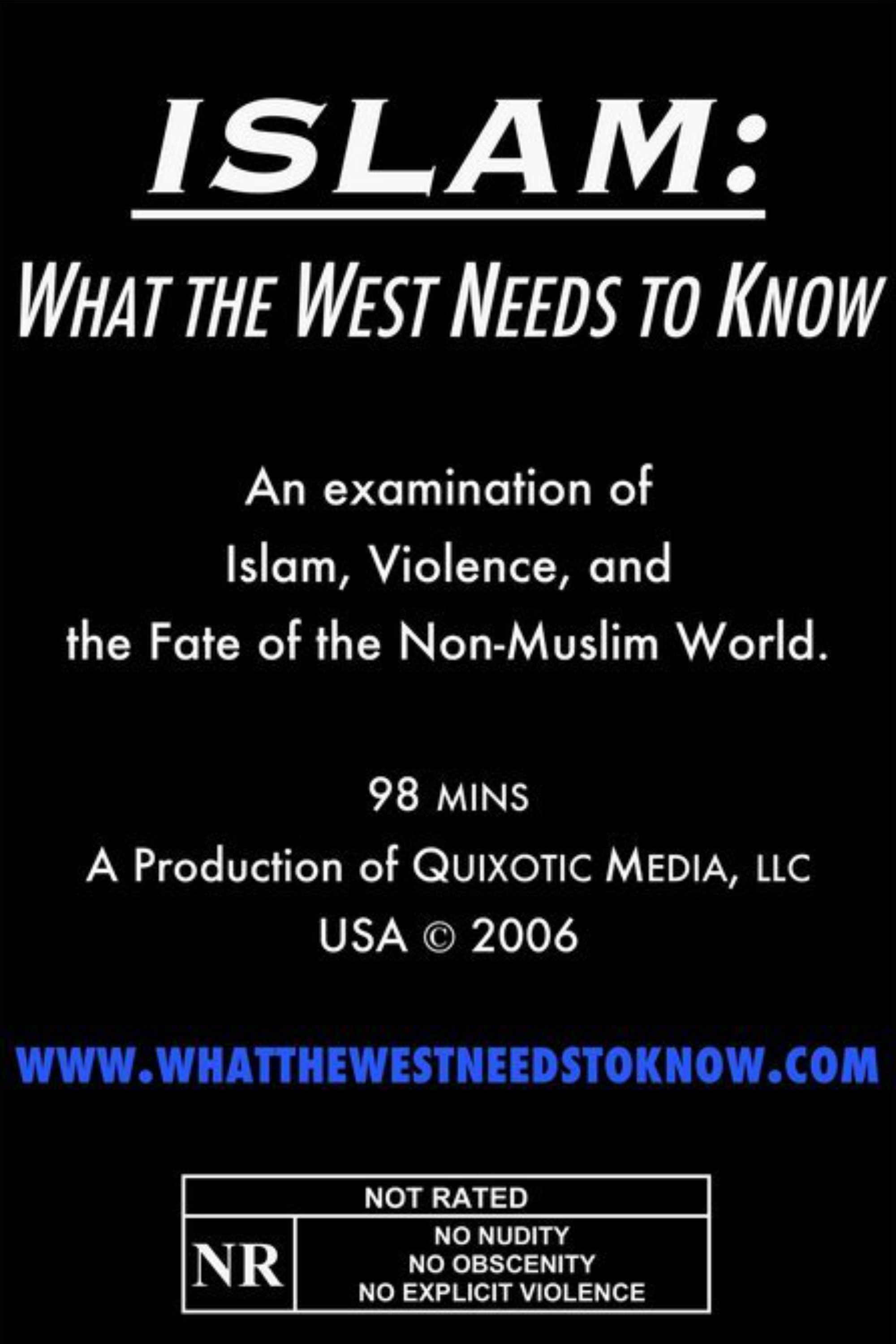
Islam: What the West Needs to Know
Claiming that Islam is inherently violent and seeks to destroy all other faiths, cultures and systems of government, this provocative film presents Islamic writings to prove that fanaticism is not limited to just a few misguided souls. In interviews, noted experts on Islam refute mainstream media, diplomats and officials who have described Islam as a peaceful religion and that those who commit violence in its name represent a radical fringe.
Insights
Plot Summary
This documentary explores the historical and theological underpinnings of Islam, focusing on interpretations that its creators believe are often misunderstood by the West. It delves into the concept of jihad, Sharia law, and the historical expansion of Islamic empires, presenting a perspective that suggests certain aspects of Islamic doctrine have implications for global security and Western societies. The film aims to provide a critical analysis of Islamic texts and historical events from a specific viewpoint.
Critical Reception
The documentary received significant criticism for its perceived bias and selective presentation of information. Critics often pointed to its reliance on controversial figures and interpretations that stoked fear and misunderstanding of Islam. While it found an audience among those already skeptical of Islam, it was widely dismissed by mainstream academic and journalistic sources as Islamophobic propaganda. Its factual accuracy and neutrality were heavily disputed.
What Reviewers Say
Accused of promoting fear and misinformation about Islam.
Criticized for its biased perspective and reliance on controversial commentators.
Seen by many as a polemic rather than an objective documentary.
Google audience: Audience reviews are scarce and often reflect the polarized nature of the film's reception, with some viewers finding it eye-opening and others condemning it as propaganda.
Fun Fact
The film prominently features interviews with individuals known for their critical views on Islam, such as Robert Spencer and Daniel Pipes, who have authored numerous books and articles on the subject.
AI-generated overview · Verify ratings on official sources