
Movie spotlight
Life Begins Tomorrow
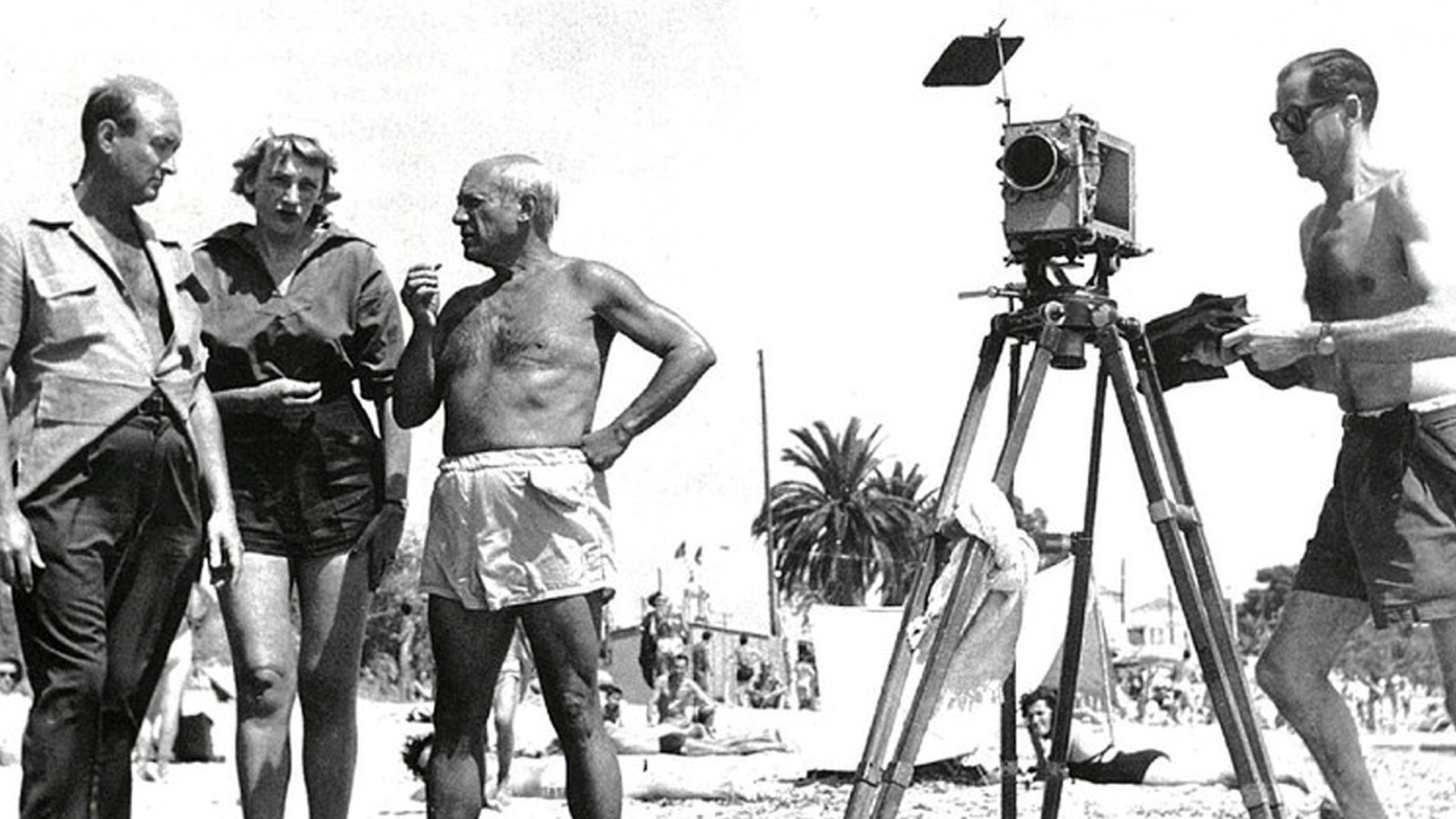
Documentary filmmaker Védrès' first semi-fictional feature was released in France in 1949 as La Vie Commence Demain. The film made it to the U.S. in 1952 as Life Begins Tomorrow. Made in cooperation with UNESCO, the film speculates on the future of mankind after the advent of Atomic Energy. Many prominent French artists and intellects contribute to the narration: Jean-Pierre Aumont plays The Man of Today, Andre Labarthe is the Man of Tomorrow, and Jean-Paul Sartre, Daniel Agache, Jean Rostand, Le Corbusier, Pablo Picasso and Andre Gide are respectively seen as "The Existentialist," "The Psychiatrist,' "The Biologist," "The Architect," "The Artist" and "The Author". Film clips of hospitals, schoolrooms, scientific laboratories, and even nightclubs are woven into Védrès' fascinating tapestry.
Insights
Plot Summary
Set against the backdrop of post-war Paris, the film follows a group of individuals entangled in a complex web of crime and personal drama. As their lives intersect, they navigate betrayals, desires, and the consequences of their actions in a city shrouded in moral ambiguity.
Critical Reception
Upon its release, 'Life Begins Tomorrow' received mixed to positive reviews, with critics praising its atmospheric direction and strong performances, particularly from Simone Signoret. While some found its narrative somewhat convoluted, it was generally acknowledged as a significant entry in French film noir.
What Reviewers Say
Praised for its moody, atmospheric portrayal of post-war Paris.
Simone Signoret's performance is highlighted as a standout.
Some found the plot's intricate nature to be a drawback.
Google audience: Audience reviews are not widely available for this film.
Fun Fact
This film marked one of Jean-Pierre Melville's earlier directorial efforts, showcasing his developing style in the crime genre before his more internationally recognized works.
AI-generated overview · Verify ratings on official sources