Movie spotlight
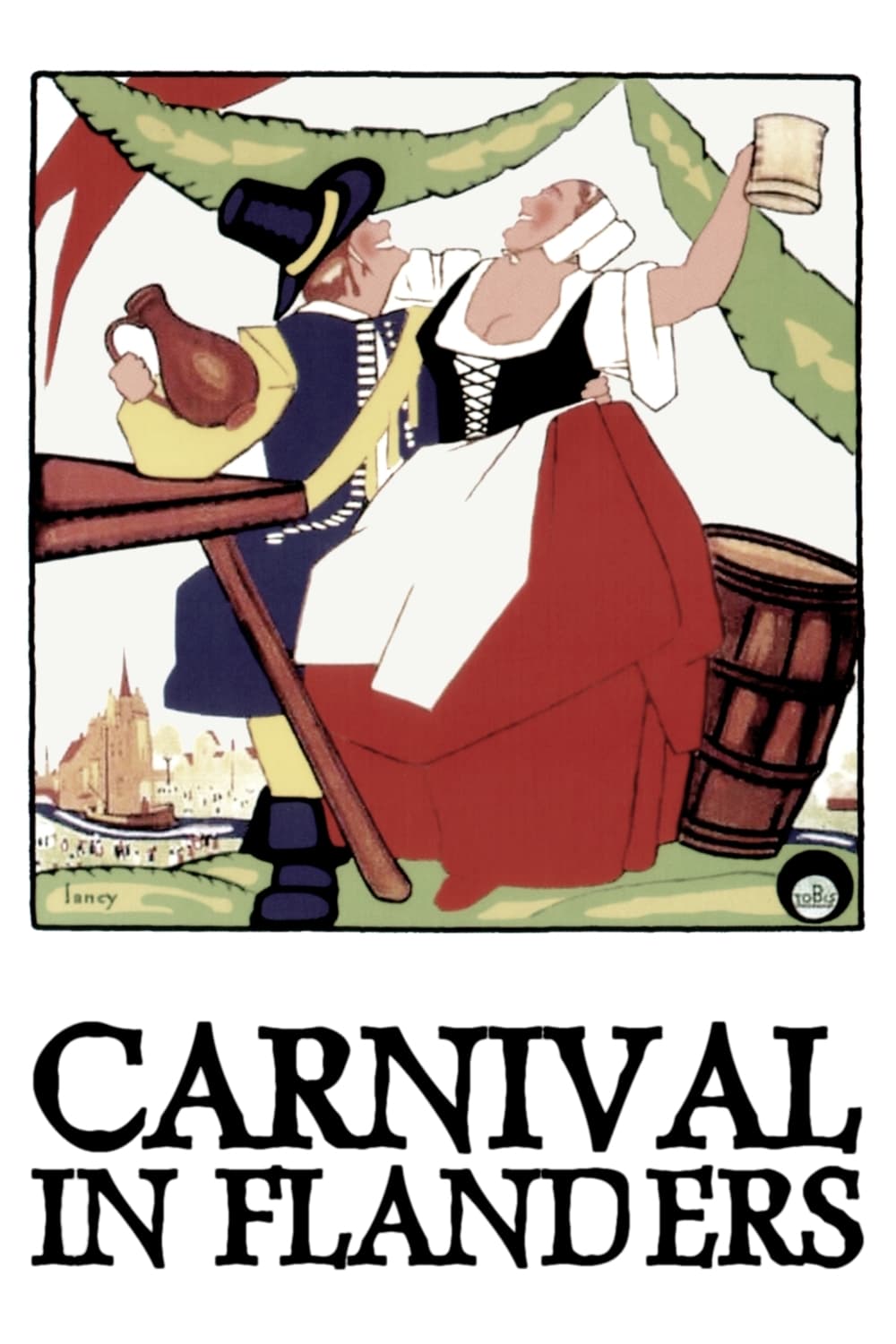
Carnival in Flanders
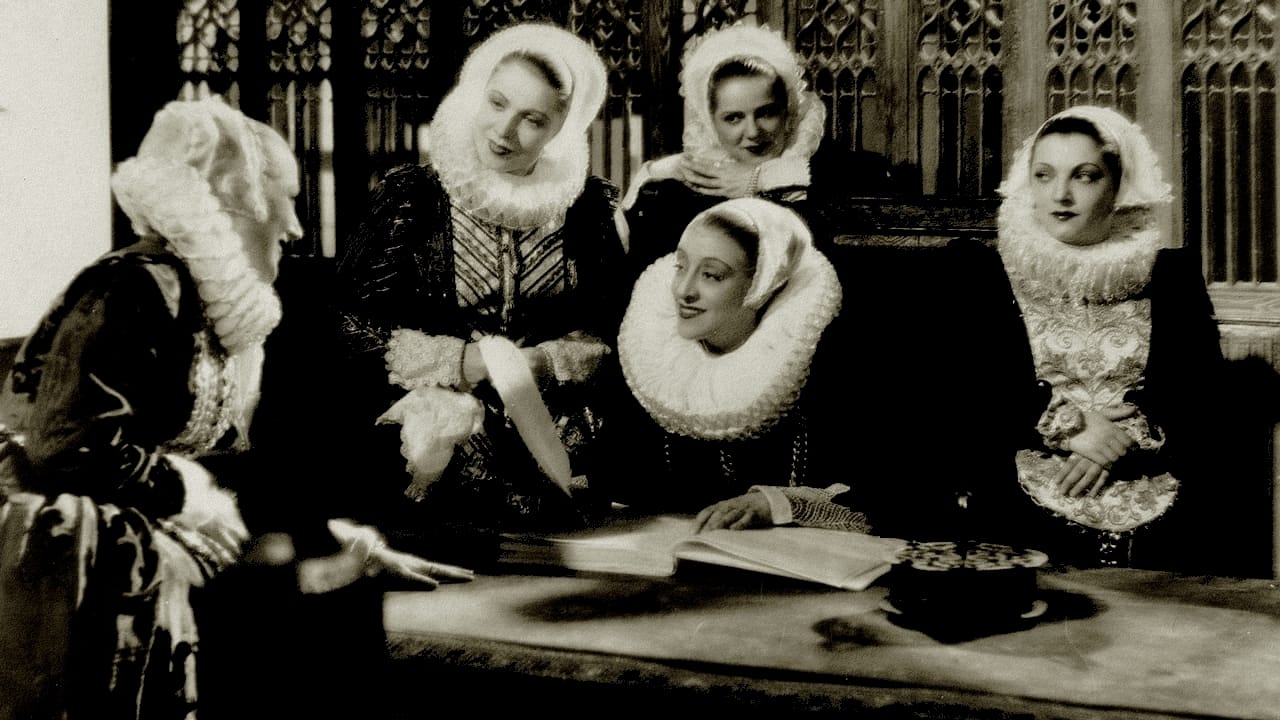
Flanders, Hispanic Monarchy, 1616. The inhabitants of the small town of Boom are busy organizing the annual local festivities when the arrival of the Duke of Olivares, who rules the country on behalf of the King Philip III of Spain, is announced. While the male citizens cowardly surrender to panic like rats on a sinking ship, the brave female citizens, led by the bold wife of the burgomaster, decide to become the best hosts the Spaniards can ever meet.
Insights
Plot Summary
In the 16th century, during the annual carnival in the city of Flanders, a group of soldiers attempting to capture the city are repeatedly outsmarted and charmed by the local women. The story focuses on the spirited Countess of Flanders who uses her wit and beauty to defend her city against the invading forces, leading to a comical and romantic struggle for control.
Critical Reception
Carnival in Flanders was a critical and commercial success in France, lauded for its witty script, charming performances, and lavish production. It is often cited as a prime example of pre-war French cinema's sophistication and artistic flair, contributing to Feyder's reputation as a masterful director.
What Reviewers Say
Praised for its sophisticated humor and charming romantic entanglements.
Noted for its excellent performances, particularly Fran uevoise Rosay's captivating portrayal of the Countess.
Applauded for its beautiful cinematography and authentic period setting.
Google audience: Audience reception information is not readily available through modern online platforms like Google Reviews for this historical film.
Fun Fact
The film was initially controversial for its perceived anti-military sentiment, but its success helped solidify Jacques Feyder's international reputation.
AI-generated overview · Verify ratings on official sources