
Movie spotlight
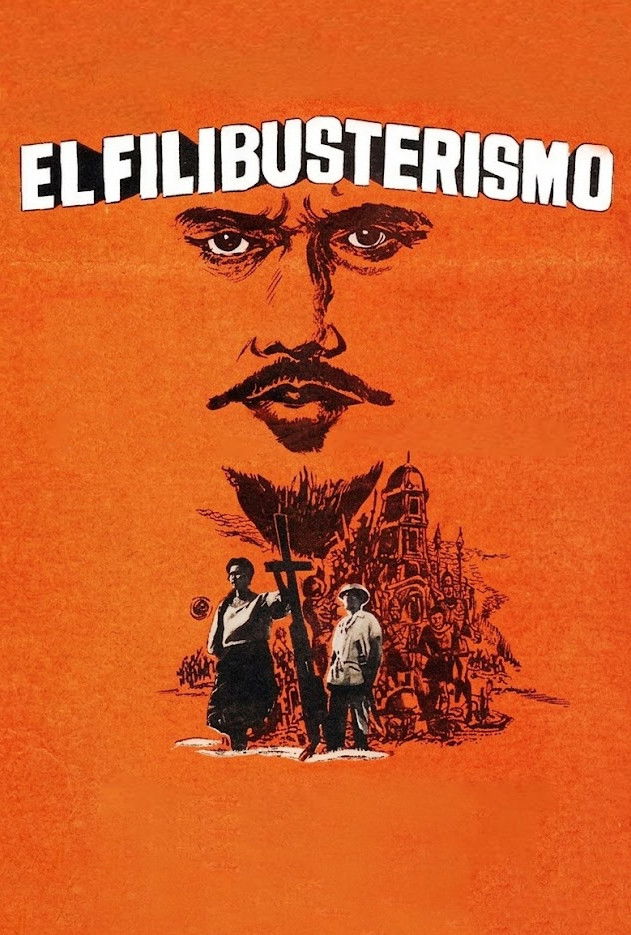
El Filibusterismo
A vindictive Crisostomo Ibarra returns, and this time, disguised as a jeweler named Simoun, where he decides to solve the country's issues through violence.
Insights
Plot Summary
Set nineteen years after the events of Noli Me Tángere, Crisostomo Ibarra, now disguised as the wealthy jeweler Simoun, returns to the Philippines. Driven by a thirst for revenge and disillusioned with the slow pace of reform, he manipulates the government and the populace towards a violent revolution. However, his plans are complicated by his rekindled love for Maria Clara and the growing unrest he himself has incited, leading to a tragic climax.
Critical Reception
The 1962 film adaptation of Jose Rizal's 'El Filibusterismo' is a significant cinematic interpretation of the iconic Filipino novel. It is generally regarded as a faithful and powerful portrayal of Rizal's critique of Spanish colonial rule and the social injustices prevalent in the Philippines during that era. The film is praised for its historical significance and its ability to bring Rizal's complex narrative and characters to life on screen, resonating with Filipino audiences.
What Reviewers Say
A compelling and dramatic adaptation of a seminal Filipino novel.
Captures the essence of Rizal's social commentary and the call for reform.
Features strong performances that bring the historical characters to life.
Google audience: Information regarding specific Google user reviews for the 1962 film 'El Filibusterismo' is not readily available. However, as an adaptation of a foundational literary work, it is understood to be a significant cultural artifact for Filipino cinema.
Fun Fact
The film adaptation of 'El Filibusterismo' was directed by Gerardo de Leon, a highly acclaimed Filipino filmmaker who directed over 70 films and won numerous awards throughout his career, often referred to as the 'Grand Old Man of Philippine Cinema'.
AI-generated overview · Verify ratings on official sources