Movie spotlight
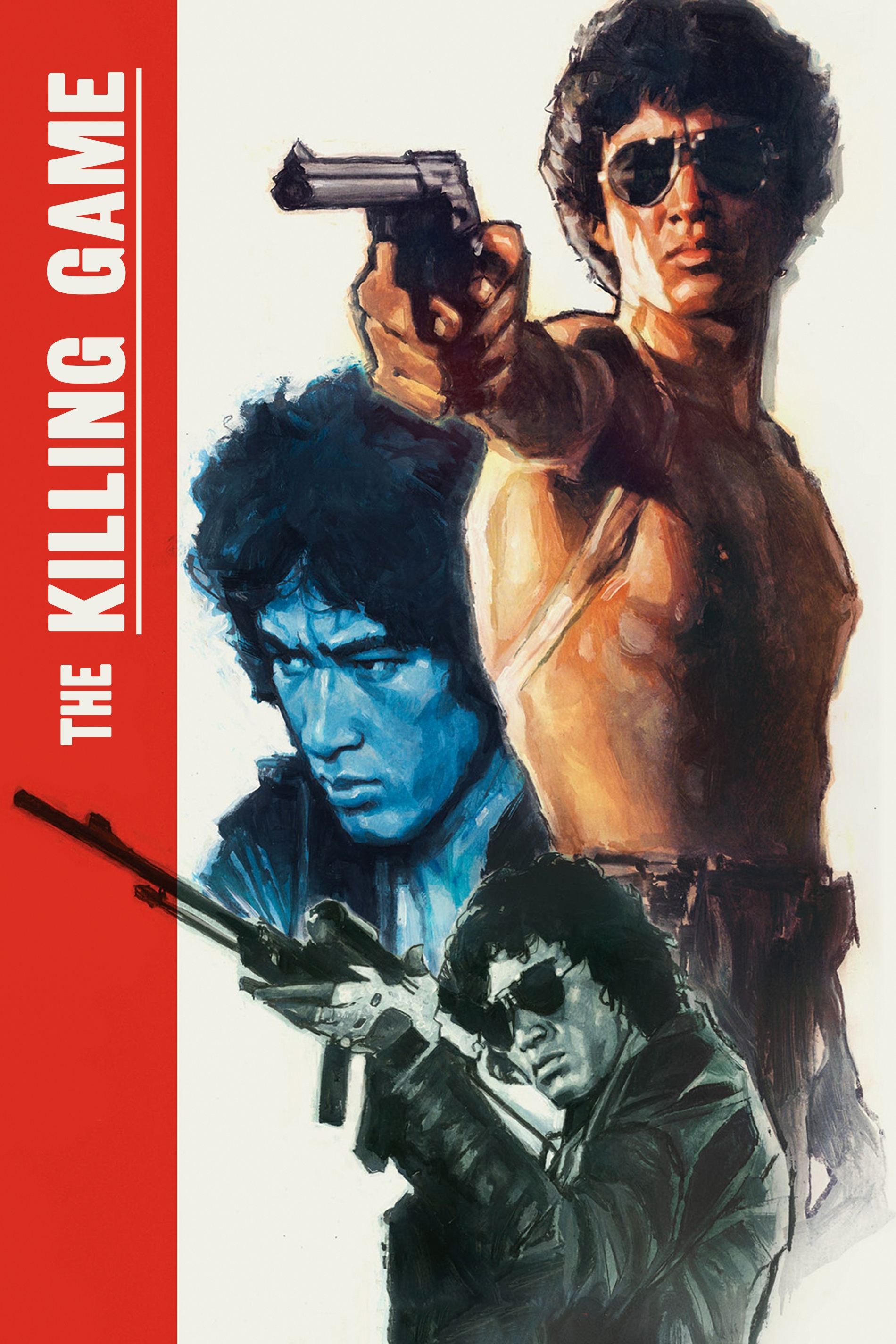
The Killing Game
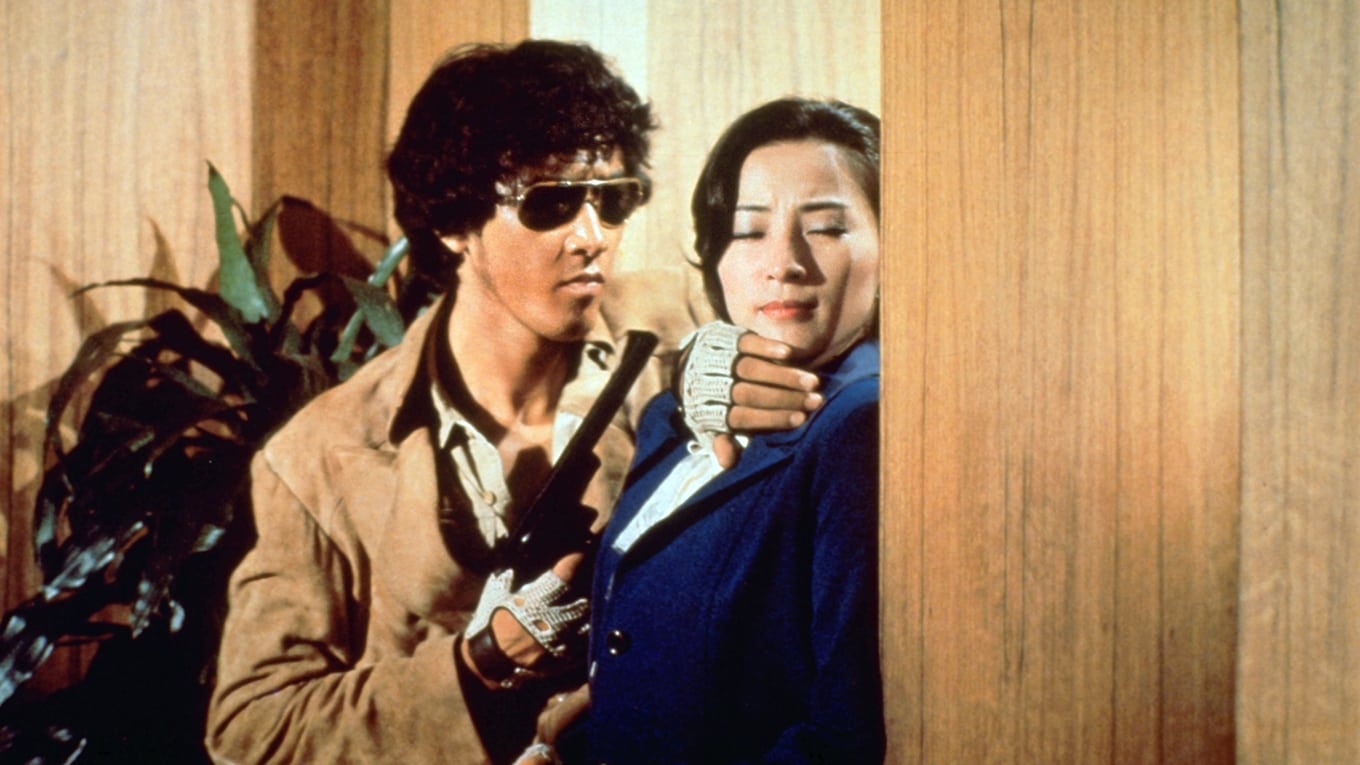
The second movie of Tôru Murakawa's "Game" trilogy. After making a sensational hit, a hitman has gone into hiding for five years. When he comes back he bumps into two women that he has spared five years ago. Two rival yakuza bosses hire Narumi to kill the other. Will Narumi's sense of chivalry entrap him again?
Insights
Plot Summary
A college student with a photographic memory becomes entangled in a dangerous plot when he witnesses a murder. He must use his unique ability to piece together clues and expose the killer before he becomes the next victim. As the body count rises, he finds himself in a desperate race against time, navigating a treacherous landscape of deceit and violence.
Critical Reception
The Killing Game, also known as 'Death Drug', was a made-for-television film that received a mixed to negative reception. While it aimed for suspense, critics often found its plot convoluted and its execution lacking. However, some recognized its attempt to tackle contemporary social issues and its use of a young cast.
What Reviewers Say
The film suffers from a predictable and often illogical plot.
Performances are generally considered to be weak, with little chemistry among the cast.
Despite its thriller aspirations, the movie often feels more like a made-for-TV drama with little genuine suspense.
Google audience: Audience reception for 'The Killing Game' is largely absent from public records, making it difficult to summarize specific likes or dislikes. However, it is generally considered a forgettable made-for-television thriller from the late 1970s.
Fun Fact
Although credited as 'The Killing Game,' the film was also widely distributed under the alternate title 'Death Drug,' highlighting its connection to the then-prevalent theme of drug abuse in media.
AI-generated overview · Verify ratings on official sources