Movie spotlight
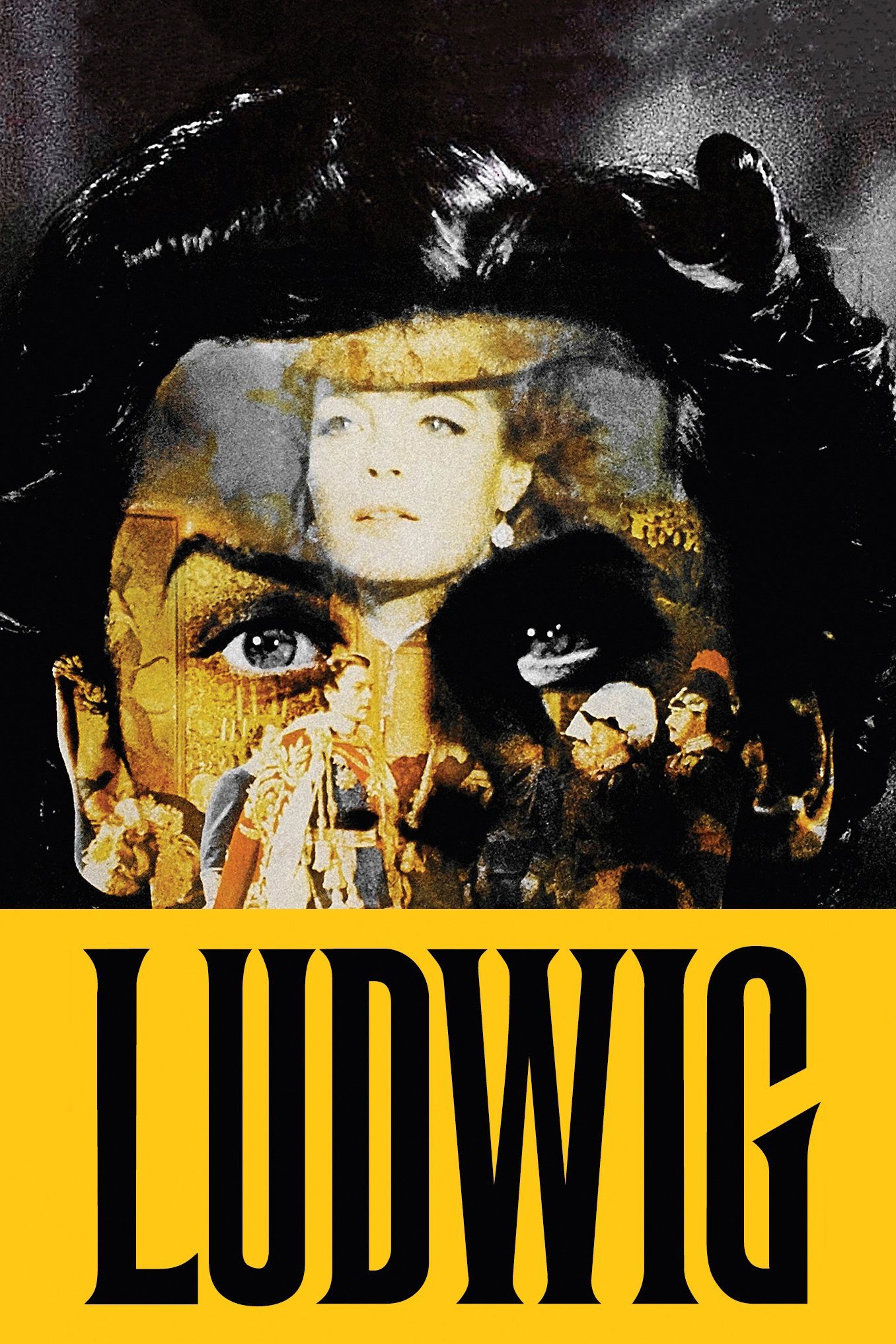
Ludwig
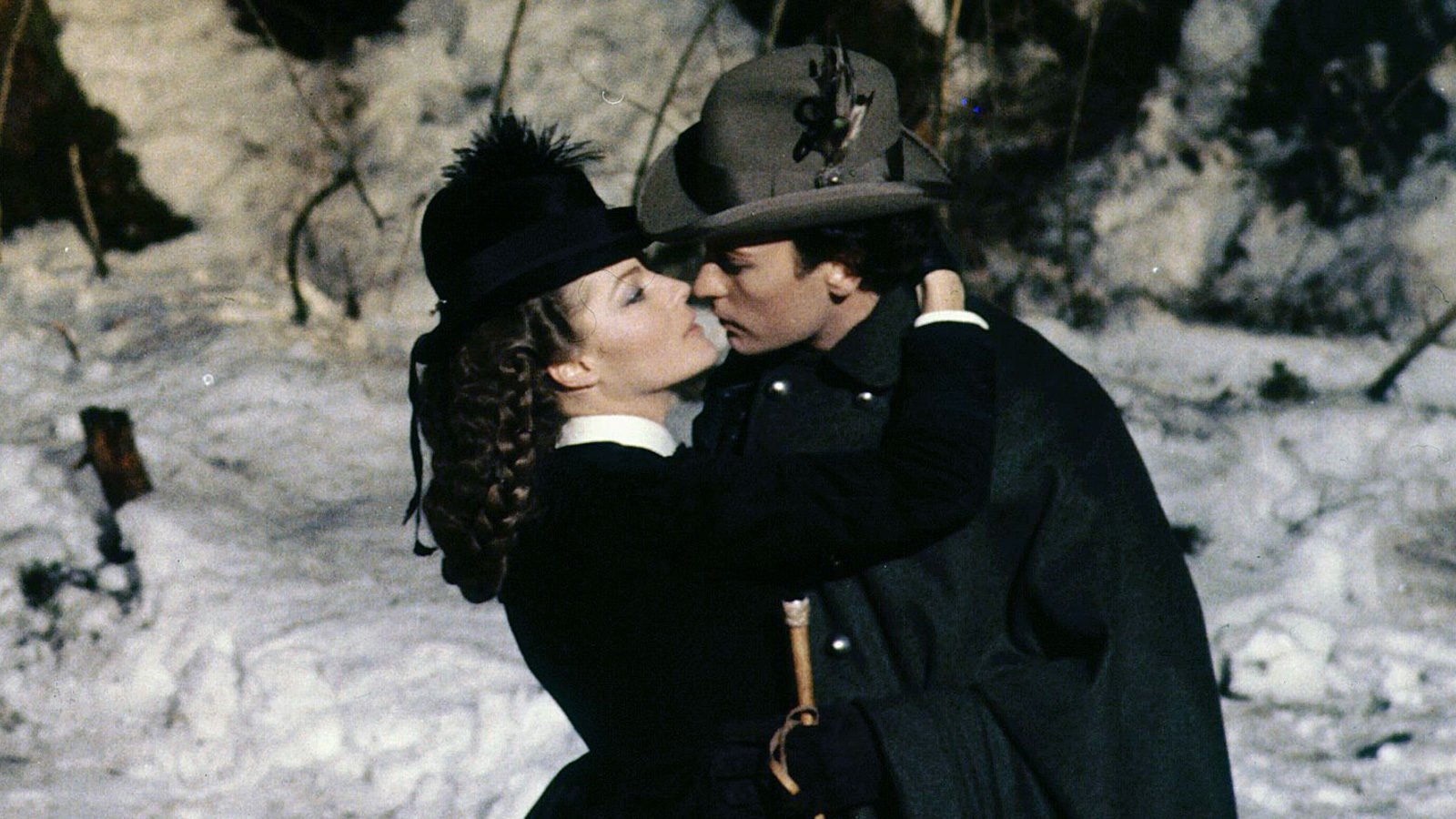
Historical evocation of Ludwig, king of Bavaria, from his crowning in 1864 until his death in 1886, as a romantic hero. Fan of Richard Wagner, betrayed by him, in love with his cousin Elisabeth of Austria, abandoned by her, tormented by his homosexuality, he will little by little slip towards madness.
Insights
Plot Summary
The film chronicles the turbulent life of King Ludwig II of Bavaria, focusing on his obsessive passion for music and opera, his patronage of Richard Wagner, and his increasing withdrawal from political reality. It delves into his complex relationships, his struggle with mental illness, and his eventual tragic end. Visconti portrays Ludwig as a romantic idealist trapped by the mundane world and the expectations of his royal duties.
Critical Reception
Visconti's 'Ludwig' is often seen as a visually stunning but sprawling and melancholic epic. While praised for its opulent production design and Helmut Berger's intense performance, some critics found its pacing slow and its narrative excessively somber. It's considered a significant work within Visconti's filmography, exploring themes of art, power, and madness.
What Reviewers Say
Visually extravagant and operatic in scope, capturing the tragic grandeur of its subject.
Helmut Berger delivers a compelling, if often unsettling, performance as the doomed king.
The film's deliberate pacing and melancholic tone can be challenging for some viewers.
Google audience: Audiences appreciate the film's rich visual style and the powerful portrayal of Ludwig's inner turmoil, often describing it as a grand and moving, albeit sad, historical drama.
Awards & Accolades
Nominated for the Golden Globe Award for Best Foreign-Language Film.
Fun Fact
The film was shot on location in Bavaria, with many scenes filmed at Ludwig II's actual palaces, including Linderhof and Neuschwanstein Castle, contributing to its authenticity and visual splendor.
AI-generated overview · Verify ratings on official sources