Movie spotlight
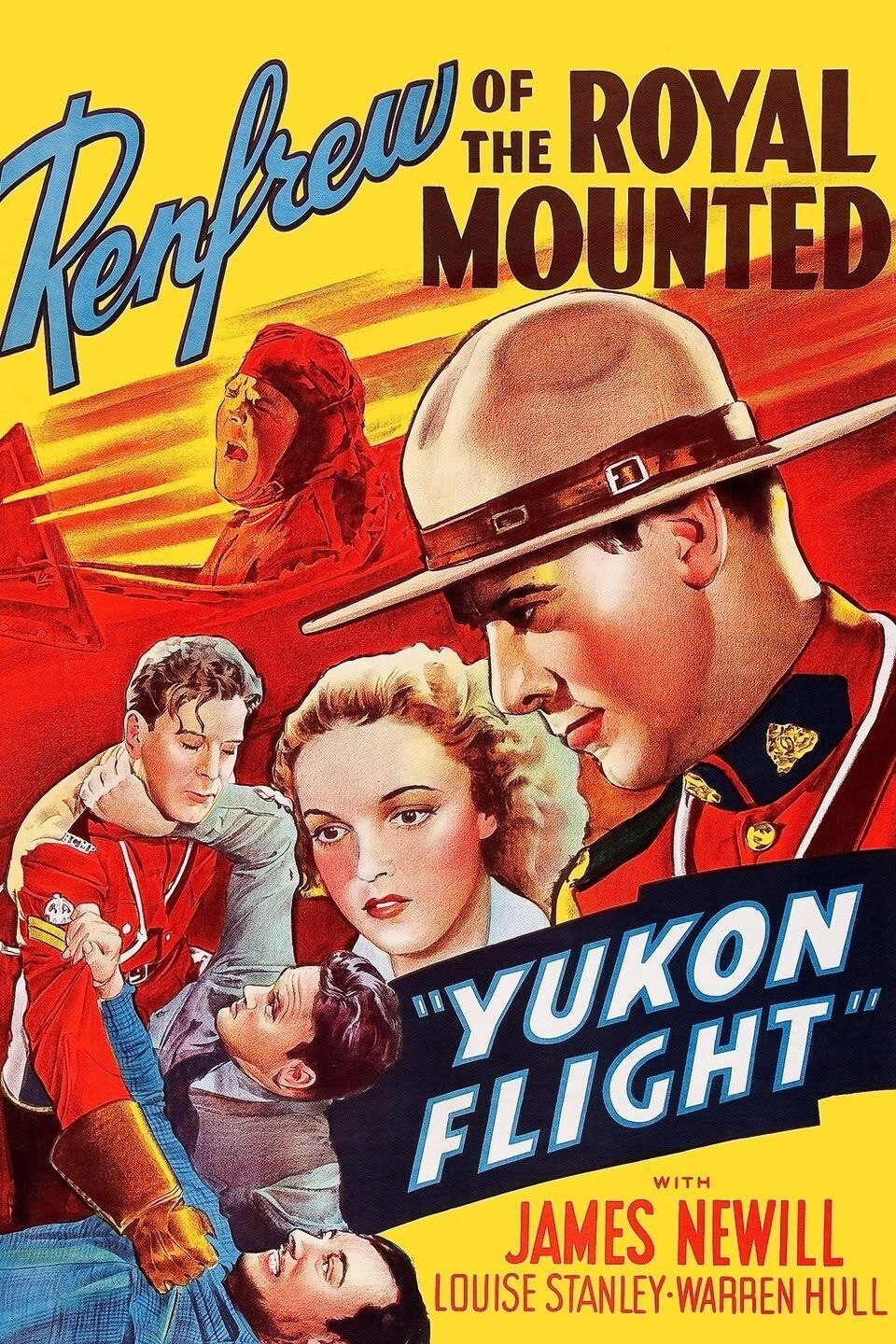
Yukon Flight
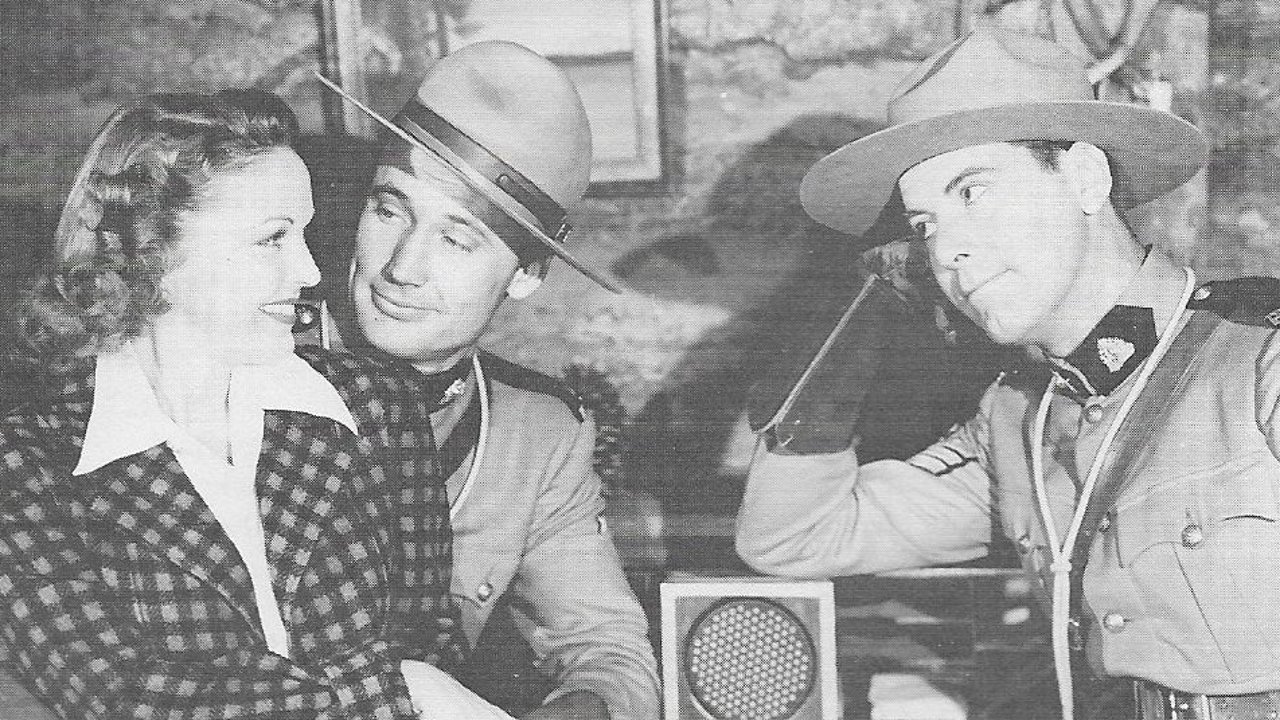
When the plane owned by the "Yukon and Columbia Mail Service" crashes, RCMP Sergeant Renfrew (James Newill) and Constable Kelly (Dave O'Brien) suspect murder. Their suspicions are confirmed when Renfrew finds the control stick has been jammed, forcing the plane to fly in one direction until the gas ran out. Mine owner Louise Howard (Louise Stanley) reports that her superintendent is missing. The Mounties find him murdered and that too has been made to look like an accident. A new mail service pilot, Bill Shipley (Warren Hull), arrives. He had gone to training school with Renfrew but had been cashiered for misconduct. The Mounties discover that Raymond (Karl Hackett), who had been working for Louise, really owns the flying line managed by Yuke Cardoe (William Pawley.) They find proof that all the gold from the mine isn't being turned over to Louise, and suspect that Raymond and Yuke are stealing the gold and shipping it to Seattle by plane.
Insights
Plot Summary
In the rugged Canadian Yukon, a daring bush pilot races against time and treacherous conditions to deliver vital medical supplies to a remote mining camp. Facing mechanical failures, harsh weather, and the skepticism of those he aims to help, his resolve is tested as lives hang in the balance.
Critical Reception
Yukon Flight was a modest B-movie production that catered to the adventure serial audience of the era. While not critically lauded, it offered serviceable thrills and a sense of frontier spirit that resonated with its target demographic. Its straightforward narrative and action sequences provided escapism for Depression-era moviegoers.
What Reviewers Say
Praised for its depiction of aerial adventure and the unforgiving Yukon landscape.
Criticized for a somewhat formulaic plot and character development.
Seen as an entertaining, if unremarkable, entry in the adventure genre of the 1940s.
Google audience: Information on Google user reviews for Yukon Flight (1940) is not readily available.
Fun Fact
The film's depiction of bush flying in the Yukon was considered relatively authentic for its time, reflecting the adventurous and dangerous nature of aviation in remote territories during the early 20th century.
AI-generated overview · Verify ratings on official sources