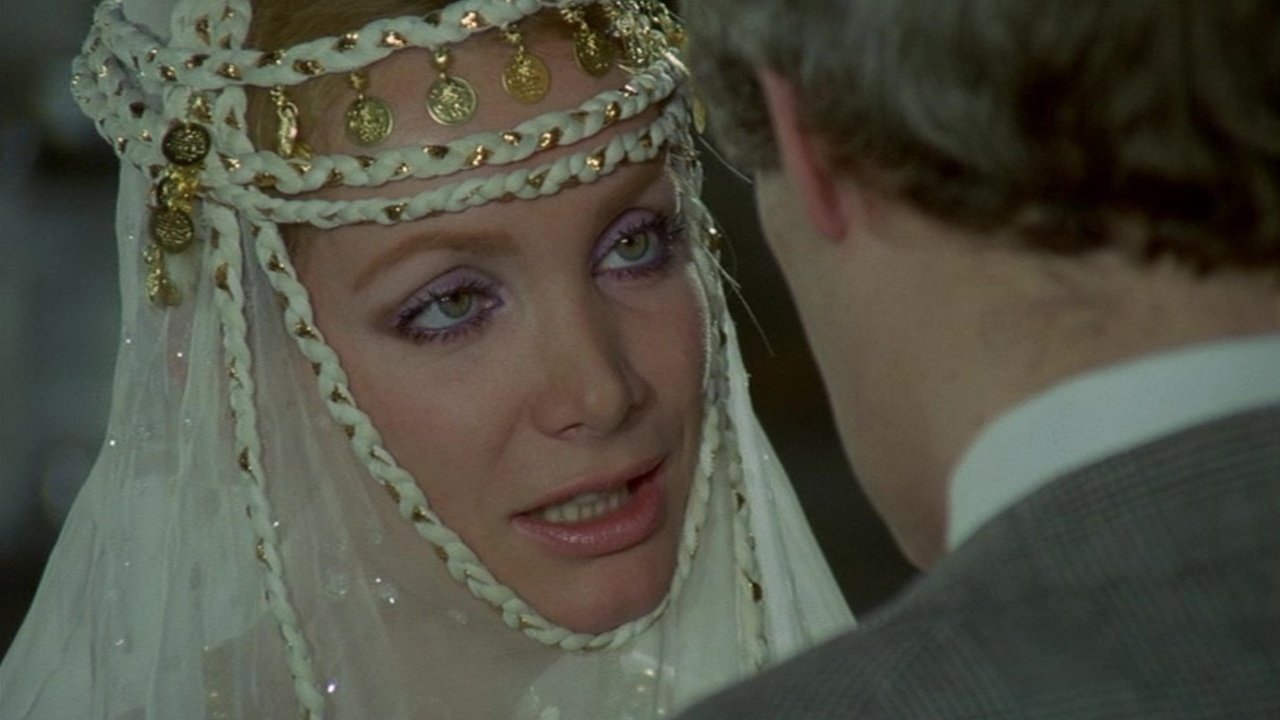


Nana
This adaptation of Emile Zola's novel "NANA," is about the sexual liaisons of a woman who through her relationships with different men, enjoys a life of pleasure and luxury. However, her lavish life-style does not always bring happiness.
Insights
Plot Summary
Nana follows the story of a young woman navigating her sensuality and independence in a society that struggles to accept her. The film delves into her experiences with relationships and her personal journey of self-discovery. It explores themes of desire, societal constraints, and the complexities of female agency.
Critical Reception
Nana is a cult film from the early German erotic cinema era. It received attention for its frank depiction of sexuality and its independent filmmaking approach, though it was not widely critically acclaimed in mainstream circles. Its reception is largely confined to niche film enthusiasts and historians of erotic cinema.
What Reviewers Say
- Praised for its raw and uninhibited portrayal of female sexuality.
- Noted for its experimental and independent spirit within the genre.
- Criticized by some for its deliberate pacing and unconventional narrative.
Google audience: Audience reception for Nana is scarce due to its niche status, but it is often discussed within communities interested in historical erotic cinema as a notable example of its time.
Fun Fact
Nana was part of a wave of German erotic films in the late 1960s and early 1970s that sought to push boundaries in filmmaking and societal norms.
AI-generated overview · Verify ratings on official sources