
Movie spotlight
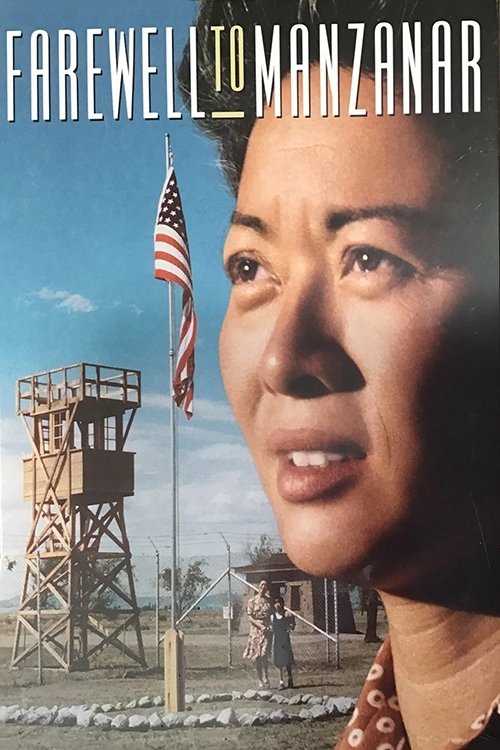
Farewell to Manzanar
Fact based drama about one of the internment camps used by the American military during World War II to detain some 100,000 Japanese Americans (most of them U.S. born) following Japan's attack on Pearl Harbor.
Insights
Plot Summary
Based on the memoir by Jeanne Wakatsuki Houston, this film depicts the experiences of a Japanese-American family during their internment at the Manzanar War Relocation Center in California during World War II. It chronicles their struggles to maintain dignity and identity amidst the harsh realities of confinement, prejudice, and the loss of their former lives. The narrative follows young Jeanne as she navigates adolescence and witnesses the profound impact of the internment on her family and community.
Critical Reception
Farewell to Manzanar was widely praised for its sensitive and powerful portrayal of a dark chapter in American history. Critics lauded its authenticity, emotional depth, and the performances of its cast, particularly Kim Miyori as the mother. It resonated with audiences for its humanistic approach to a difficult subject, highlighting themes of resilience, family, and the injustice faced by Japanese Americans.
What Reviewers Say
Praised for its historical accuracy and emotional resonance.
Commended for its sensitive direction and strong performances.
Recognized as an important and moving exploration of Japanese American internment.
Google audience: Information on specific Google user reviews and their sentiment for this 1976 film is not readily available.
Awards & Accolades
Primetime Emmy Award for Outstanding Writing in a Special Program (1977)
Fun Fact
The film was based on the autobiographical book of the same name by Jeanne Wakatsuki Houston and James D. Houston, which became a widely read account of the Japanese American internment experience.
AI-generated overview · Verify ratings on official sources