
Movie spotlight
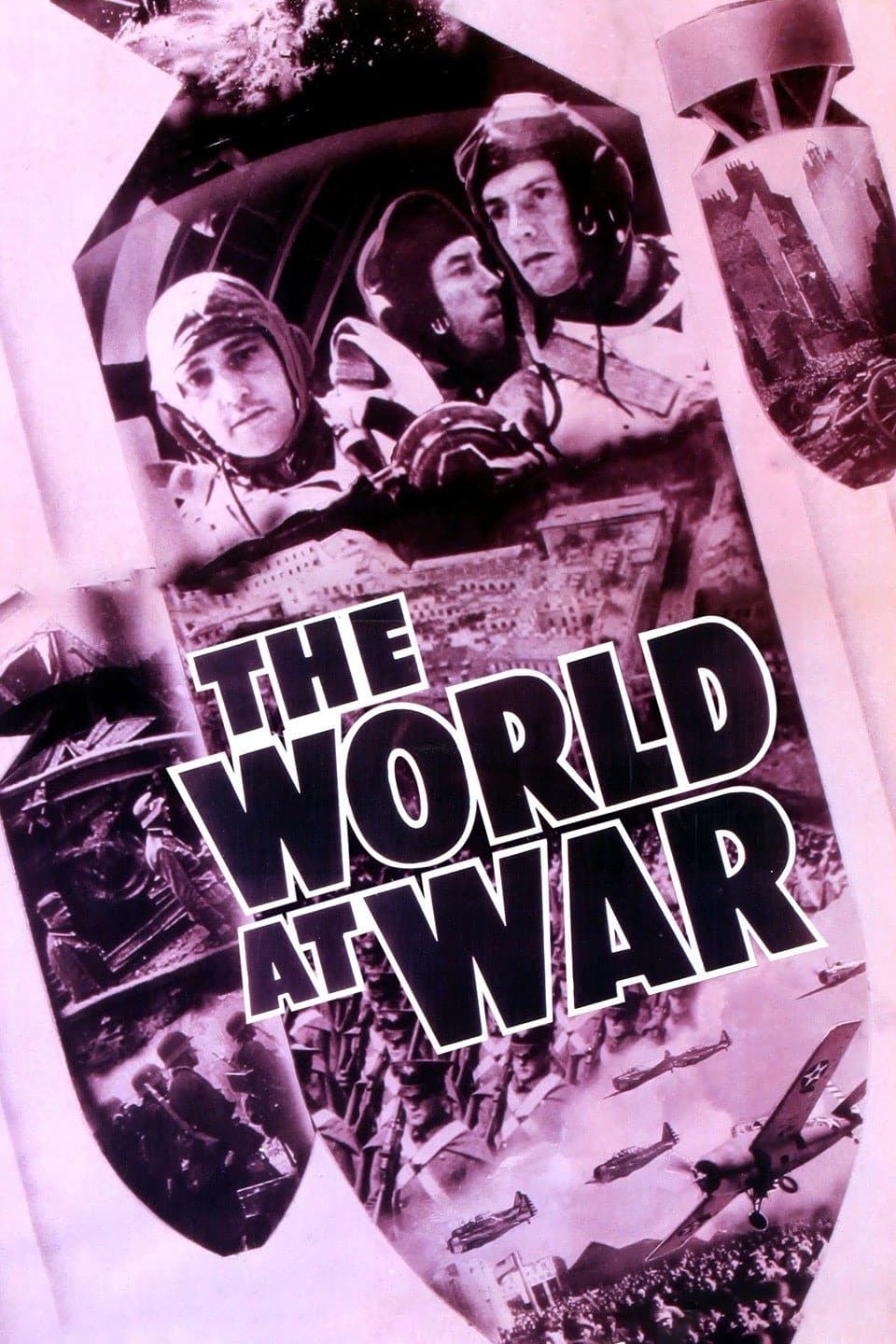
The World at War
Documentary examining the events which led up to the Second World War.
Insights
Plot Summary
The World at War is a critically acclaimed 26-episode British documentary television series produced by Thames Television and broadcast between 1973 and 1974. It chronicles the events of World War II from the rise of Adolf Hitler and the Nazi Party in Germany to the eventual surrender of Japan. The series features extensive archival footage, interviews with key figures who lived through the war, and narration by Laurence Olivier.
Critical Reception
The World at War is widely regarded as one of the most comprehensive and authoritative documentaries ever made about World War II. It received universal critical acclaim for its depth, scope, historical accuracy, and emotional impact, and remains a seminal work in documentary filmmaking.
What Reviewers Say
Unparalleled scope and depth in its depiction of World War II.
Haunting and deeply moving due to its firsthand accounts.
An essential historical document, masterfully crafted.
Google audience: Viewers consistently praise 'The World at War' for its exhaustive coverage of World War II, highlighting the powerful impact of personal testimonies and its objective, comprehensive narrative. Many consider it the definitive documentary on the conflict, deeply informative and emotionally resonant.
Awards & Accolades
Primetime Emmy Award for Outstanding Informational Program (1975), BAFTA Award for Best Television Documentary Series (1974), Golden Globe Award for Best Television Series – Documentary (1975)
Fun Fact
The series is notable for its extensive use of interviews with high-ranking military and political figures from both Allied and Axis sides, including Albert Speer, Reginald Maudling, and USS Indianapolis survivor Charles B. McVay III, providing unique perspectives on the war.
AI-generated overview · Verify ratings on official sources