
Movie spotlight
Prostitution
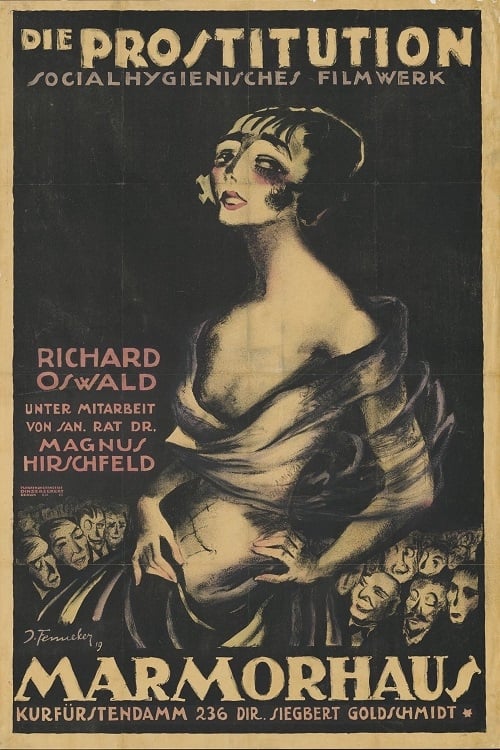
Hedwig and Lola, two sisters of opposite temperaments, have their lives upended in when Lola decides to pursue prostitution and Hedwig is forced into it.
Insights
Plot Summary
This silent film aims to expose the harsh realities of poverty and social injustice that lead women into prostitution. It follows the intertwined stories of several women from different social strata, illustrating how societal pressures, lack of opportunity, and economic hardship can push individuals towards desperate measures. The film contrasts the lives of women forced into the trade due to destitution with those who choose it out of perceived necessity or societal acceptance. It seeks to evoke sympathy and understanding rather than condemnation for its characters.
Critical Reception
As a silent film from 1919, contemporary critical reviews are scarce and difficult to access in a standardized format. However, Lois Weber was a prominent director known for tackling social issues, and "Prostitution" was part of her body of work that aimed to provoke thought and discussion about societal problems. The film was considered daring for its time, addressing a taboo subject with a degree of sensitivity, though its methods were undoubtedly influenced by the moral codes of the era.
What Reviewers Say
A daring and provocative exploration of poverty's impact on women.
Utilizes melodrama to highlight social inequalities and the desperation of its characters.
Reflects the progressive yet morally constrained filmmaking of its era.
Google audience: Information on specific Google user reviews for this film is not available due to its age and the nature of its original distribution and exhibition.
Fun Fact
Lois Weber, the director and star of "Prostitution," was one of the most prolific and influential filmmakers of the silent era, often using her films to advocate for social reform and women's rights.
AI-generated overview · Verify ratings on official sources