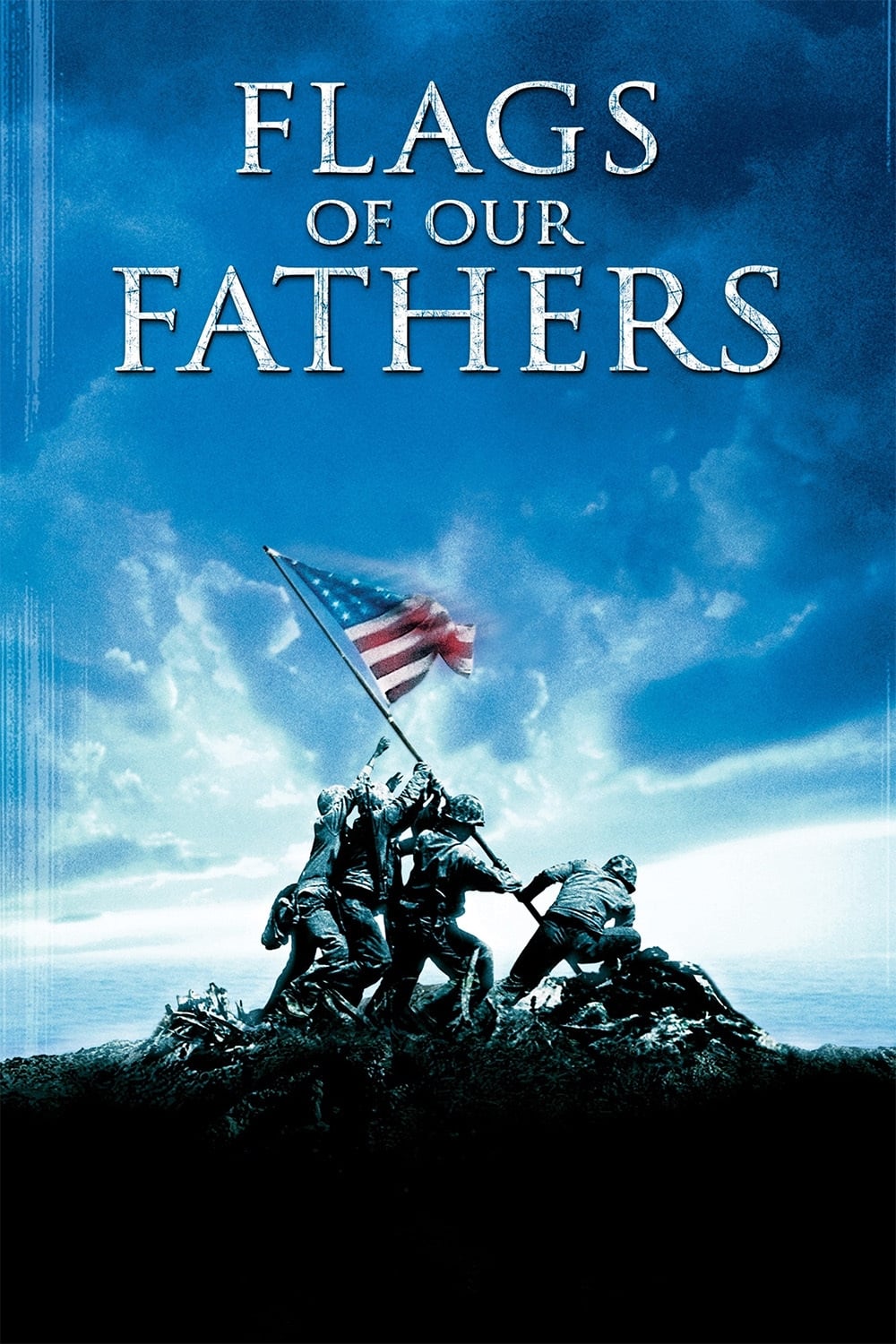


Flags of Our Fathers
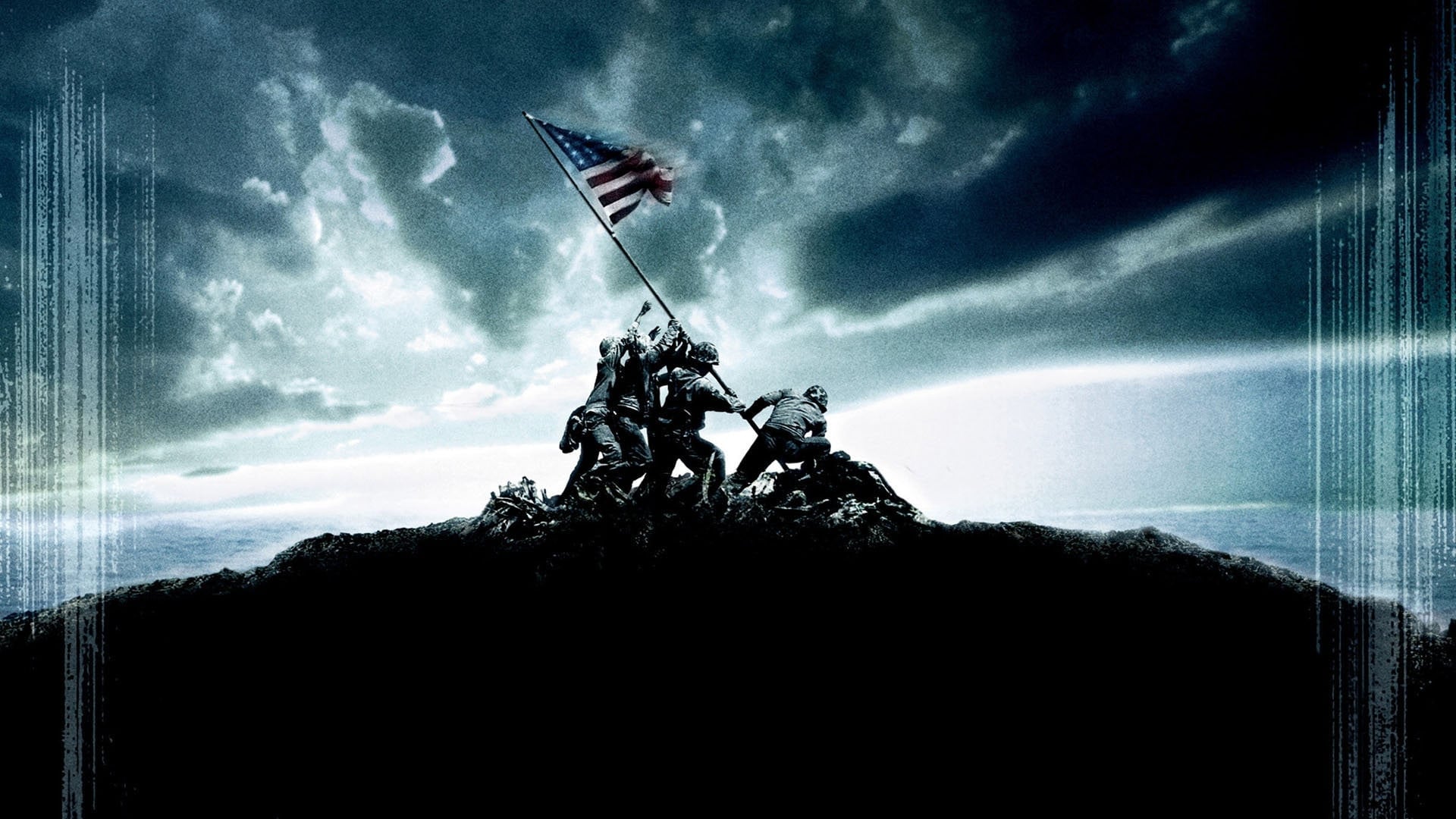
There were five Marines and one Navy Corpsman photographed raising the U.S. flag on Mt. Suribachi by Joe Rosenthal on February 23, 1945. This is the story of three of the six surviving servicemen - John 'Doc' Bradley, Pvt. Rene Gagnon and Pvt. Ira Hayes - who fought in the battle to take Iwo Jima from the Japanese.
Insights
Plot Summary
The film chronicles the Battle of Iwo Jima through the eyes of six men who participated in the famous flag-raising on Mount Suribachi. It delves into their experiences during the brutal battle and the subsequent propaganda tour they undertook to help sell war bonds. The narrative explores the stark contrast between the harsh realities of combat and the manufactured heroism presented to the public, highlighting the psychological toll on the surviving soldiers.
Critical Reception
Flags of Our Fathers received generally positive reviews from critics, who praised Clint Eastwood's direction, the film's unflinching portrayal of the horrors of war, and the performances of its cast. However, some critics found the narrative structure complex and noted that it felt somewhat overshadowed by its companion film, 'Letters from Iwo Jima'. Audience reception was also largely favorable, appreciating its historical scope and emotional depth.
What Reviewers Say
- Praised for its powerful and often harrowing depiction of the realities of war.
- Appreciated for its strong performances and Clint Eastwood's masterful direction.
- Some found the dual narrative structure challenging and the film's focus less impactful than 'Letters from Iwo Jima'.
Google audience: Google users largely appreciated the film's historical accuracy and its moving portrayal of the soldiers' experiences, with many commending its bravery in showing the grim aspects of war and the personal struggles of the flag raisers. Some reviews highlighted the film's emotional impact and its ability to humanize the soldiers beyond their iconic status.
Awards & Accolades
Nominated for an Academy Award for Best Sound Mixing. Also received nominations from the American Film Institute Awards and the Golden Globes.
Fun Fact
The actual flag raised on Mount Suribachi in the iconic photograph was not the original flag used in the ceremony; it was a larger, more visible flag brought in specifically for the photo opportunity.
AI-generated overview · Verify ratings on official sources
My Review
TMDB Reviews
1 reviews