
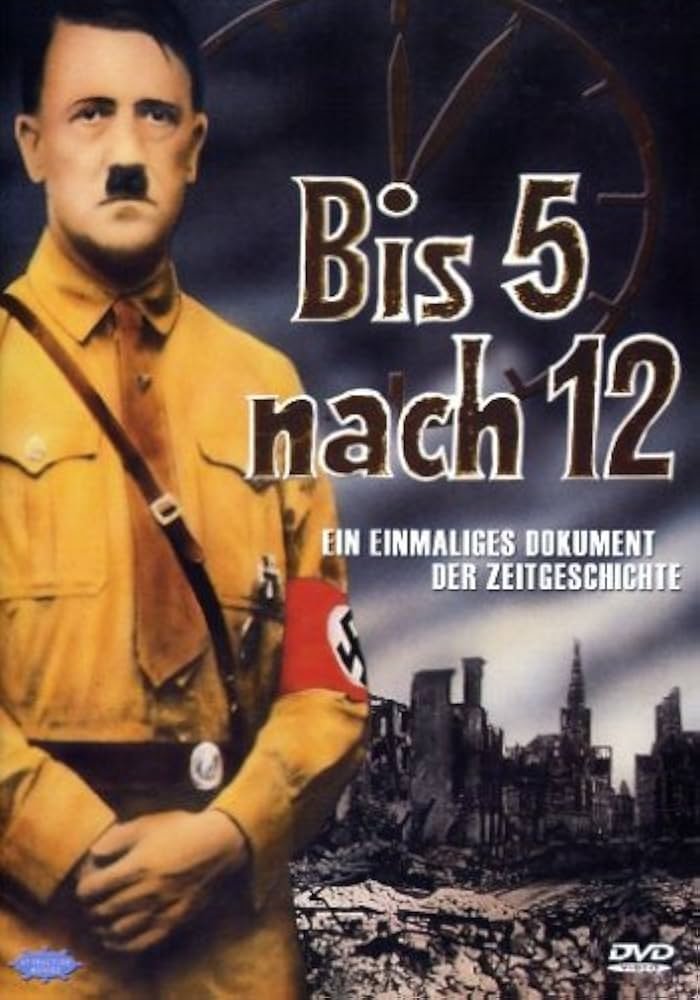
Adolf Hitler - Ein Volk, ein Reich, ein Führer: Dokumente der Zeitgeschichte
The film begins with the First World War and ends in 1945. Without exception, recordings from this period were used, which came from weekly news reports from different countries. Previously unpublished scenes about the private life of Adolf Hitler and Eva Braun were also shown for the first time. The film was originally built into a frame story. The Off Commentary begins with the words: "This film [...] is a document of delusion that on the way to power tore an entire people and a whole world into disaster. This film portrays the suffering of a generation that only ended five to twelve. " The film premiered in Cologne on November 20, 1953, but was immediately banned by Federal Interior Minister Gerhard Schröder in agreement with the interior ministers of the federal states of the Federal Republic of Germany.
Insights
Plot Summary
This German documentary compiles historical footage to present a biography of Adolf Hitler, tracing his rise to power and his role in World War II. It utilizes propaganda films and newsreels from the Nazi era to depict key moments in Hitler's life and the events leading to and during the war. The film aims to provide a historical account of the Führer and the Third Reich.
Critical Reception
As a historical documentary composed of existing footage, critical reception often focuses on its presentation of historical events and its use of Nazi propaganda. While not typically reviewed in the same vein as contemporary narrative films, its value lies in its archival nature. Audience reception would likely be influenced by their historical understanding and perspective on World War II and the Nazi regime.
What Reviewers Say
- A significant archival compilation of Nazi-era footage.
- Provides a visual record of Hitler's rise and the events of WWII.
- Its effectiveness as a historical document is often discussed in relation to the propaganda it incorporates.
Google audience: Information regarding specific Google user reviews for this historical documentary is not readily available. However, as a film dealing with a highly sensitive and impactful historical period, viewer opinions would likely range from academic interest in historical documentation to strong emotional responses to the subject matter.
Fun Fact
The film was directed by Wilhelm Dieterle, a prominent German-American film director who had previously made Hollywood films before returning to Germany after World War II to direct this documentary.
AI-generated overview · Verify ratings on official sources