Movie spotlight
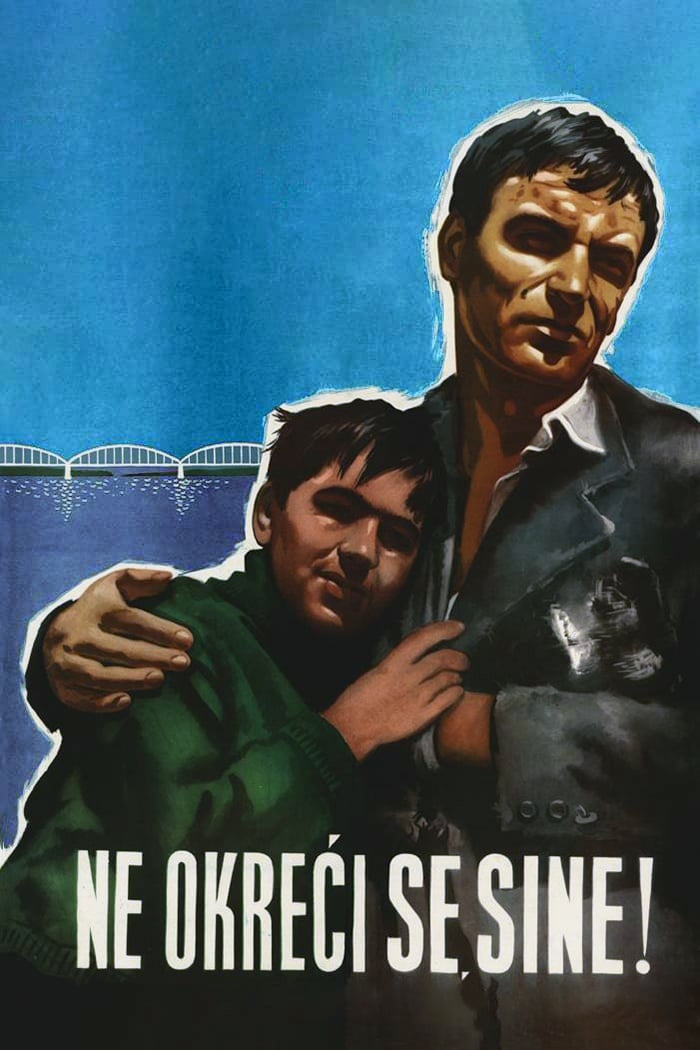
Don't Look Back, My Son
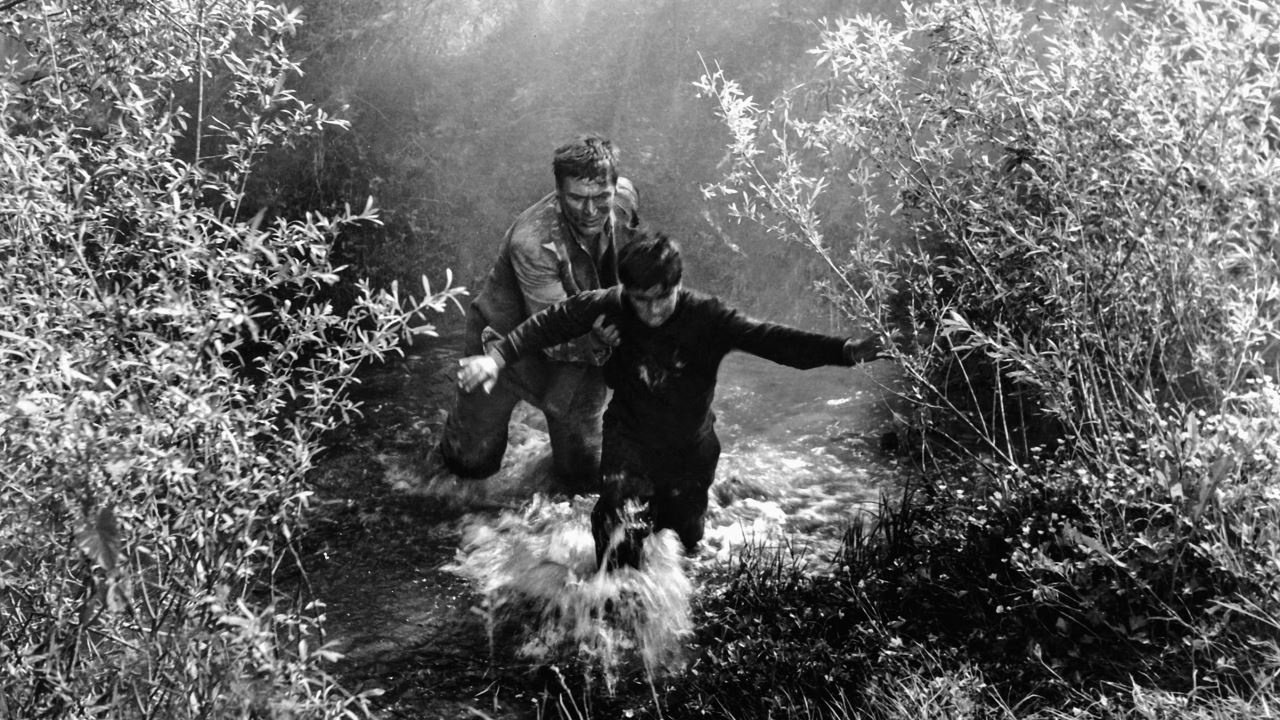
Engineer and leftist illegal Neven Novak runs away from a train in which Ustashas transport their prisoners to the prison camp Jasenovac. He returns to Zagreb and tries to save his son Zoran from an orphanage. During his stay in the orphanage, Zoran was indoctrinated with fascist ideology. When he realizes that his father is an enemy of the regime, he refuses to escape with Zoran to the Partisans' territory. Novak faces his son's antagonism and the police that chase after them.
Insights
Plot Summary
A stoic Yorkshire farmer, deeply rooted in his traditional ways, struggles to adapt when his family seeks to modernize and break away from his rigid control. His youngest son, particularly, harbors dreams of a life beyond the farm, leading to growing tensions. The film explores themes of generational conflict, the changing rural landscape, and the enduring strength of family bonds despite ideological divides.
Critical Reception
While not a widely discussed film today, 'Don't Look Back, My Son' received a generally positive reception upon its release, particularly praised for its strong performances and authentic portrayal of rural British life. Critics noted its poignant exploration of family dynamics and the challenges of progress versus tradition. Audience reception was also favorable, resonating with those familiar with the setting and themes.
What Reviewers Say
Praised for its authentic depiction of Yorkshire farming life.
John Mills delivers a powerful performance as the resistant patriarch.
The film effectively captures the emotional weight of family conflict and change.
Google audience: Information not available.
Awards & Accolades
None notable.
Fun Fact
The film was shot on location in Yorkshire, England, adding to its authentic atmosphere and visual storytelling.
AI-generated overview · Verify ratings on official sources