
Movie spotlight
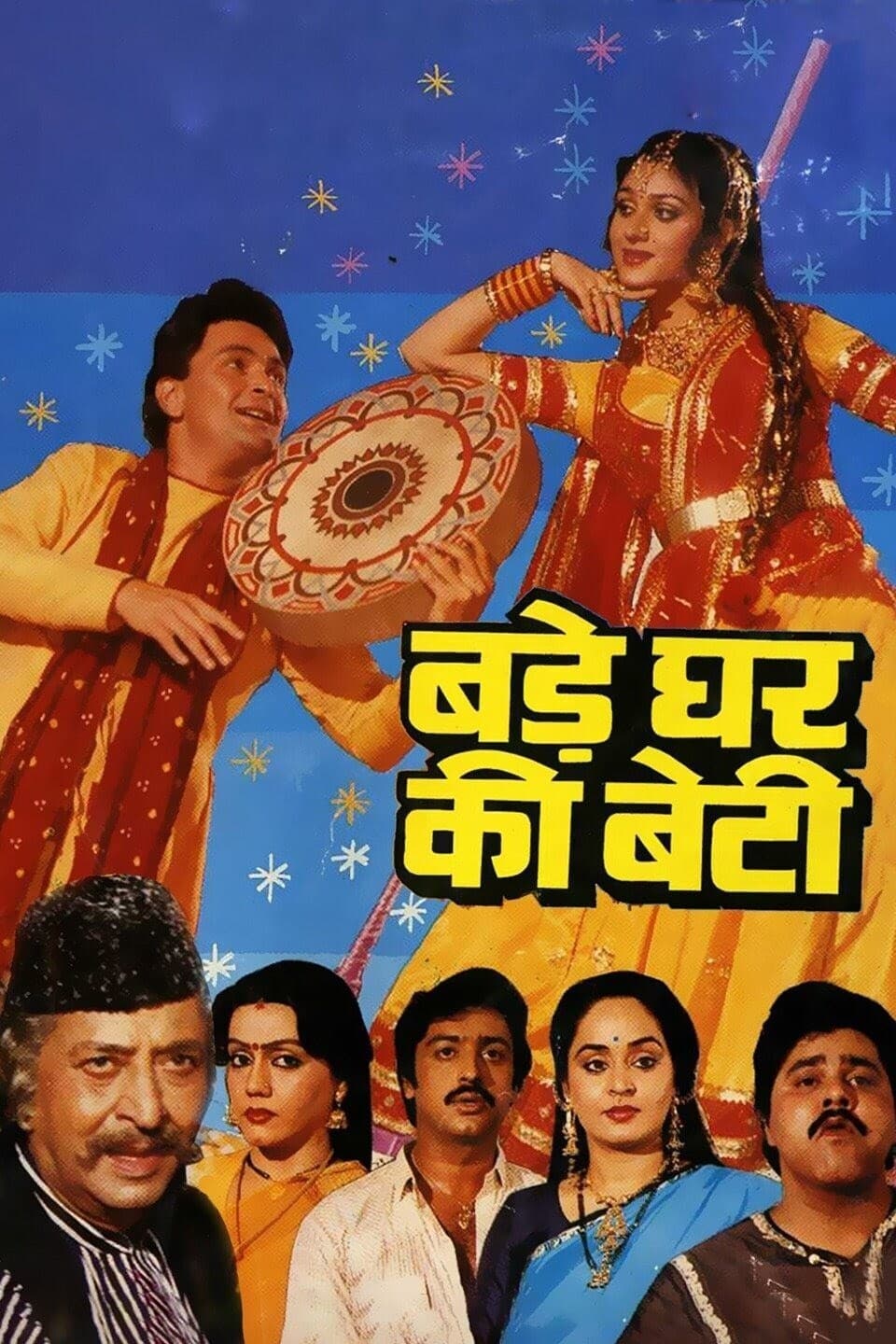
Bade Ghar Ki Beti
Mala is the daughter of Kishanlal who works as a servant with a wealthy family. One day Mala meets with the owner of this family, who is so impressed with Mala that he asks for her hand in marriage for his fourth son, Gopal, which Kishanlal humbly accepts. As a result, Mala gets married to Gopal, and moves in to their palatial home. While Mala is extremely helpful and sweet-natured, the rest of the daughters-in-law, three of them, are quite the opposite.
Insights
Plot Summary
The film centers on Kavita, a young woman from a humble background who marries into a wealthy family. Her life takes a turn as she navigates the complexities of her new household, dealing with the expectations and judgments of her in-laws. The story explores themes of societal class differences, family dynamics, and the resilience of a woman trying to maintain her identity and dignity within a rigid social structure.
Critical Reception
Bade Ghar Ki Beti was a commercially successful film, resonating with audiences for its relatable portrayal of family issues and societal expectations. While not critically acclaimed for its originality, it was appreciated for its emotional depth and strong performances, particularly from its lead actresses. The film addressed common themes in Indian cinema of the era, earning a decent reception for its entertainment value and moral messaging.
What Reviewers Say
Praised for its emotional storytelling and focus on family values.
Appreciated for the performances of its female leads, showcasing their strength.
Seen as a typical melodrama that effectively connected with a wide audience.
Google audience: Information on specific Google user reviews for this film is not readily available.
Fun Fact
The film's title, 'Bade Ghar Ki Beti,' translates to 'Daughter of a Big House,' ironically referring to the protagonist's humble origins and her marriage into a wealthy family.
AI-generated overview · Verify ratings on official sources