
13th
An in-depth look at the prison system in the United States and how it reveals the nation's history of racial inequality.
Insights
Plot Summary
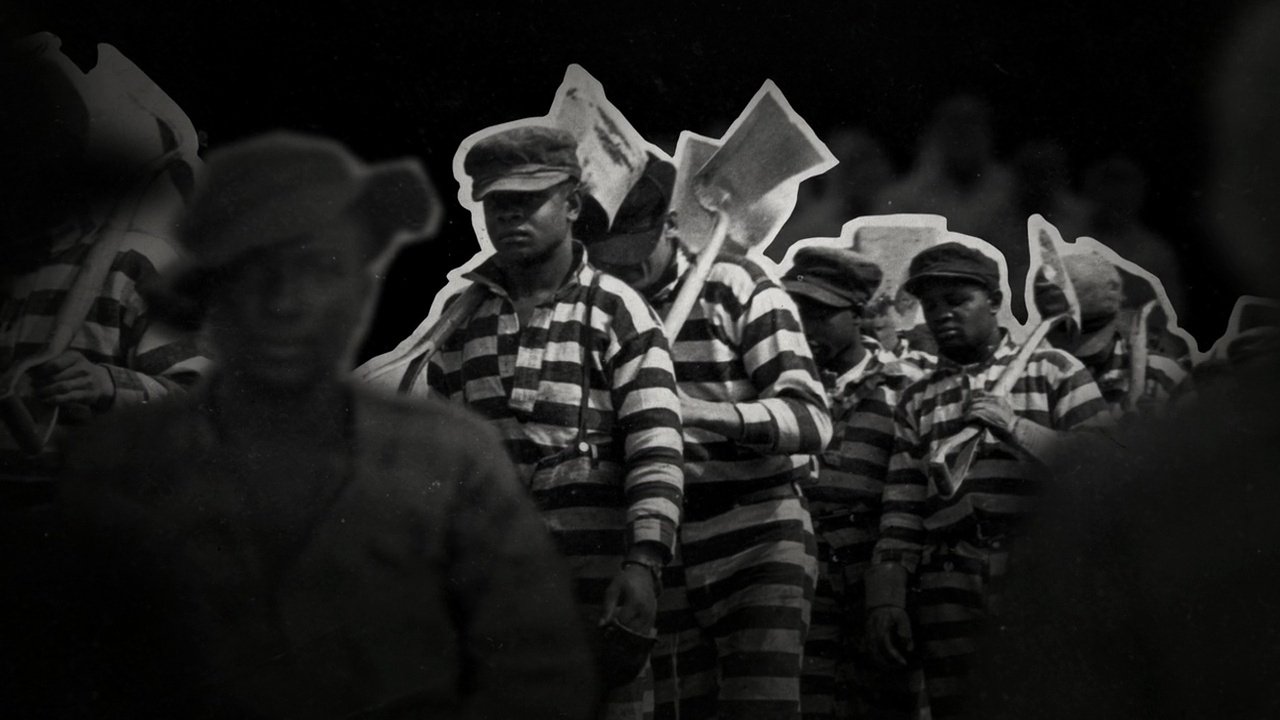
This documentary examines the intersection of race, justice, and mass incarceration in the United States. It argues that since the abolition of slavery, the criminal justice system has been used to unfairly target and control Black Americans, tracing this legacy from the post-Civil War era to the present day. The film features interviews with scholars, activists, and politicians who discuss systemic racism and its impact on society.
Critical Reception
The documentary received widespread critical acclaim, with critics praising its powerful arguments, insightful analysis, and compelling presentation of historical and contemporary issues surrounding race and the American justice system. Audiences were equally moved by its directness and the urgency of its message.
What Reviewers Say
- A vital and searing indictment of racial injustice in the American prison system.
- Essential viewing that masterfully connects historical context to contemporary issues of mass incarceration.
- Provocative and illuminating, challenging viewers to confront uncomfortable truths about American history and policy.
Google audience: Google users overwhelmingly praised '13th' for its eye-opening exploration of systemic racism and mass incarceration, highlighting its educational value and powerful message. Many found it to be a crucial documentary that sheds light on a deeply ingrained problem in American society.
Awards & Accolades
Nominated for an Academy Award for Best Documentary Feature. Won multiple awards including the Peabody Award and an Emmy Award for Outstanding Documentary or Nonfiction Series.
Fun Fact
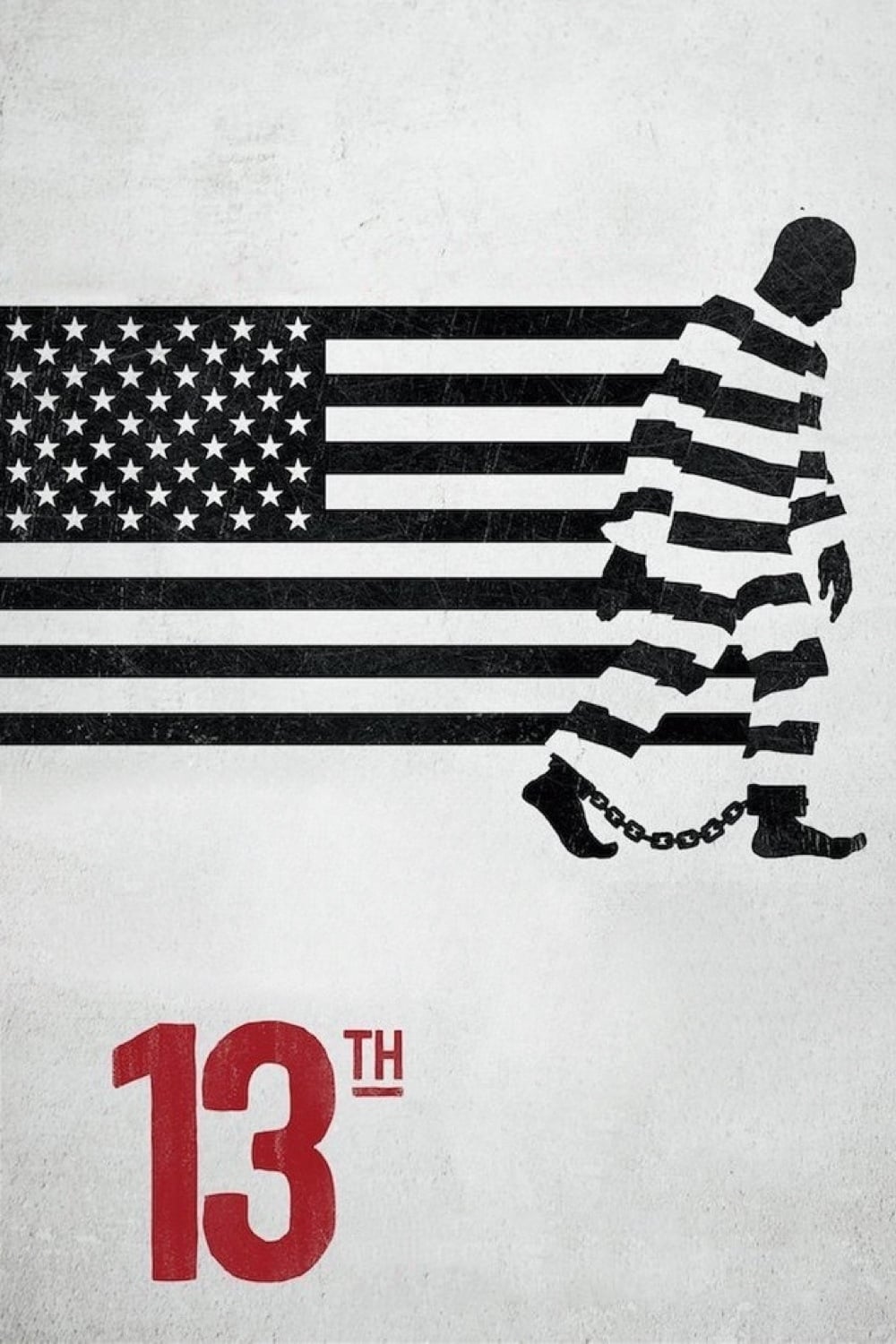
Director Ava DuVernay initially conceived of the film as a way to understand the rise of mass incarceration, and the title refers to the 13th Amendment to the U.S. Constitution, which abolished slavery except as punishment for crime.
AI-generated overview · Verify ratings on official sources