
Movie spotlight
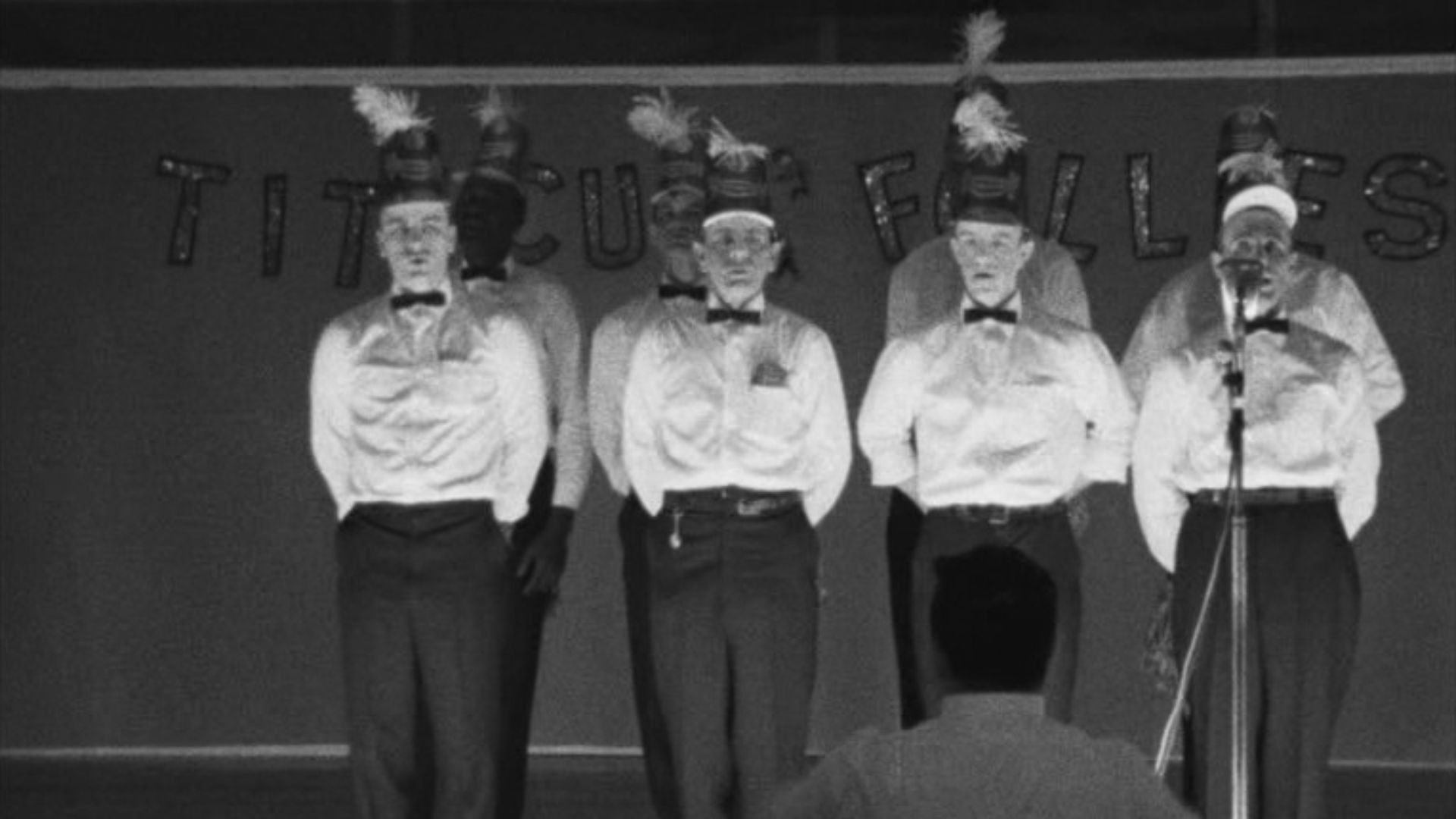
Titicut Follies
A stark and graphic portrayal of the conditions that existed at the State Prison for the Criminally Insane at Bridgewater, Massachusetts, and documents the various ways the inmates are treated by the guards, social workers, and psychiatrists.
Insights
Plot Summary
Frederick Wiseman's debut documentary offers a stark and unflinching look at the Massachusetts Correctional Institution, Bridgewater, a state institution for the criminally insane. The film exposes the harsh realities of inmate life, including physical and psychological abuse, overcrowding, and inadequate care. It captures the dehumanizing conditions through observational footage, focusing on the daily routines and interactions within the institution.
Critical Reception
Titicut Follies is widely regarded as a landmark documentary, celebrated for its raw and powerful portrayal of institutional life. While controversial upon its release due to its candid depiction of mistreatment, it has since been recognized for its significant contribution to cinéma vérité and its enduring social commentary. Critics praised Wiseman's objective yet impactful approach, which forces viewers to confront uncomfortable truths about mental health treatment and the penal system.
What Reviewers Say
A groundbreaking and challenging documentary that exposes the grim realities of institutional care.
Praised for its unflinching observational style and its powerful social commentary.
Despite initial controversy, it's now considered a vital piece of American documentary filmmaking.
Google audience: Audience reception information for Titicut Follies on Google is not readily available.
Awards & Accolades
Screened at the Venice Film Festival; recognized as a significant work in documentary history.
Fun Fact
The film was initially banned from distribution for over 20 years due to legal injunctions filed by the state of Massachusetts, which argued it violated inmates' privacy.
AI-generated overview · Verify ratings on official sources