Movie spotlight
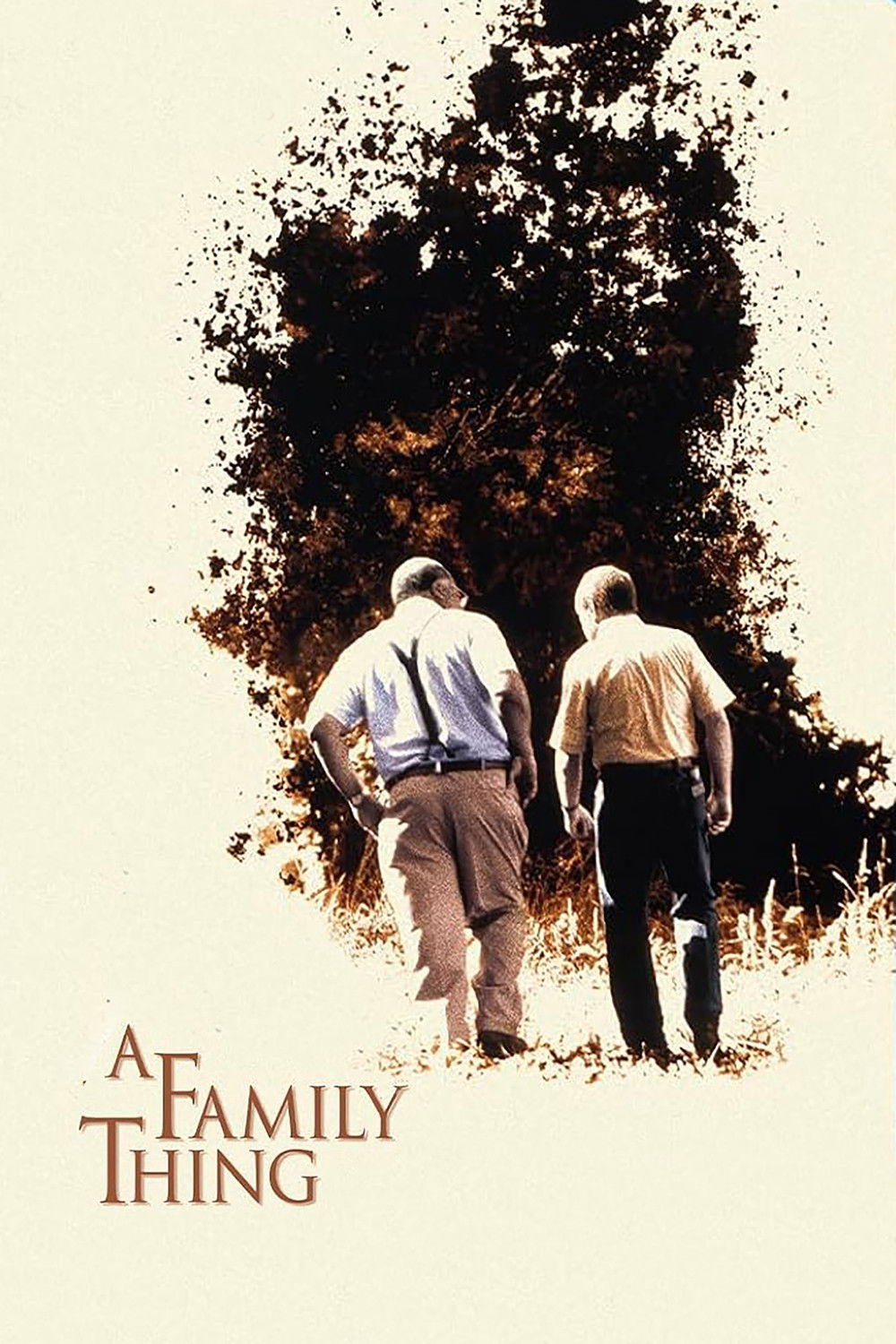
A Family Thing
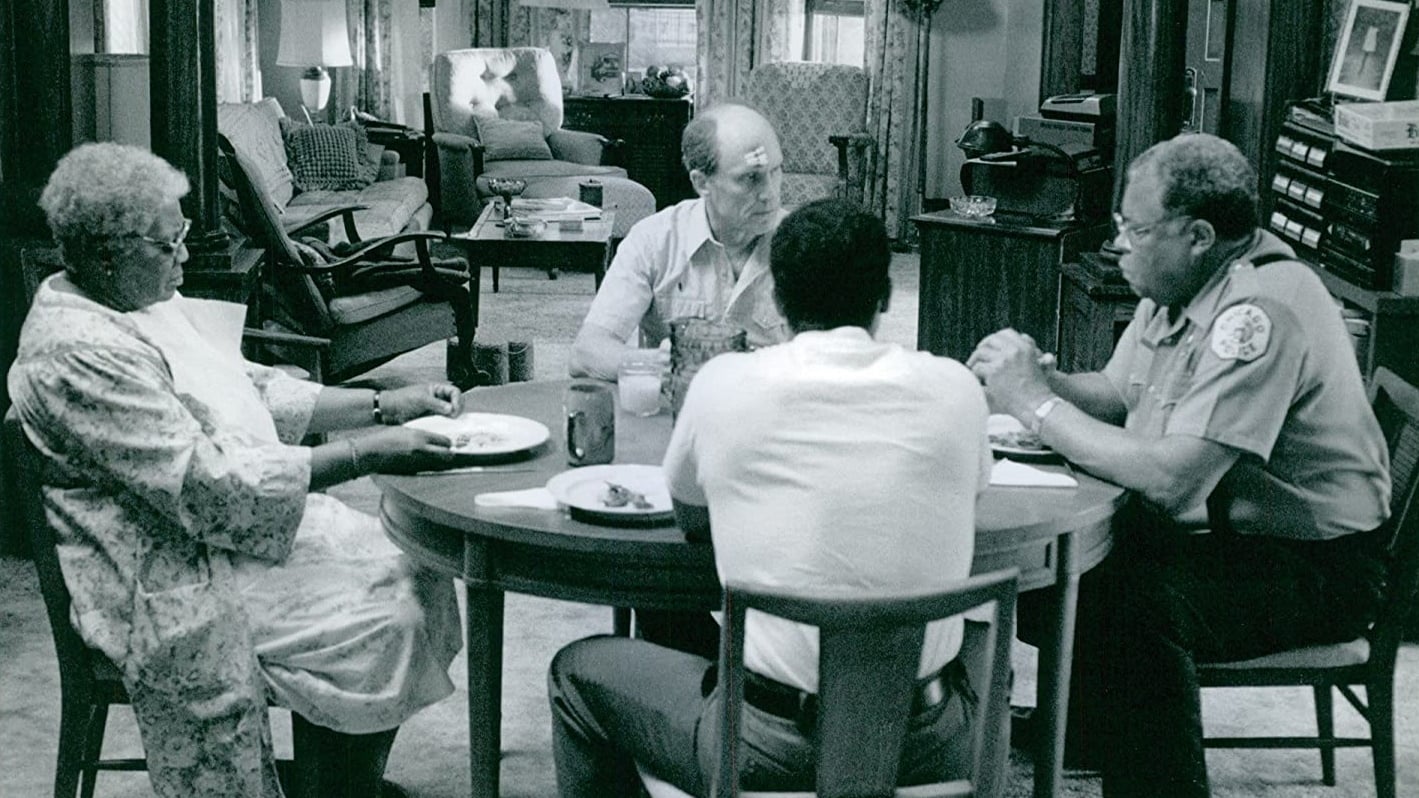
Earl Pilcher Jr. runs an equipment rental outfit in Arkansas, lives with his wife and kids and parents, and rarely takes off his gimme cap. His mother dies, leaving a letter explaining he's not her natural son, but the son of a Black woman who died in childbirth; plus, he has a half brother Ray, in Chicago, she wants him to visit. Earl makes the trip, initially receiving a cold welcome from Ray and Ray's son, Virgil. His birth mother's sister, Aunt T., an aged and blind matriarch, takes Earl in tow and insists that the family open up to him.
Insights
Plot Summary
A racist widower in rural Arkansas is shocked to discover his deceased father had a Black son, a result of a wartime affair. He embarks on a journey to find his half-brother, confronting his own deeply ingrained prejudices and the complexities of their shared heritage. The film follows their unlikely and often strained relationship as they navigate their newfound connection and the lingering shadows of the past.
Critical Reception
A Family Thing received a mixed reception from critics. While some praised its sensitive handling of racial themes and the strong performances of its lead actors, others found its narrative somewhat predictable and its resolution too neat. Audience reactions were generally more positive, appreciating the film's emotional core and its message of reconciliation.
What Reviewers Say
Praised for its earnest exploration of racial reconciliation and the performances of Duvall and Jones.
Some critics found the plot to be a bit formulaic and its message overly simplistic.
The film is seen as a commendable, albeit imperfect, attempt at tackling difficult racial dynamics.
Google audience: Google users generally appreciated the film's message of family and overcoming prejudice, with many highlighting the touching performances and the emotional journey of the characters. Some viewers felt the story could have delved deeper into certain aspects but overall found it to be a thought-provoking and heartwarming experience.
Fun Fact
Robert Duvall was instrumental in getting this film made, serving as a producer and actively seeking out director Charles Burnett, whom he greatly admired.
AI-generated overview · Verify ratings on official sources