
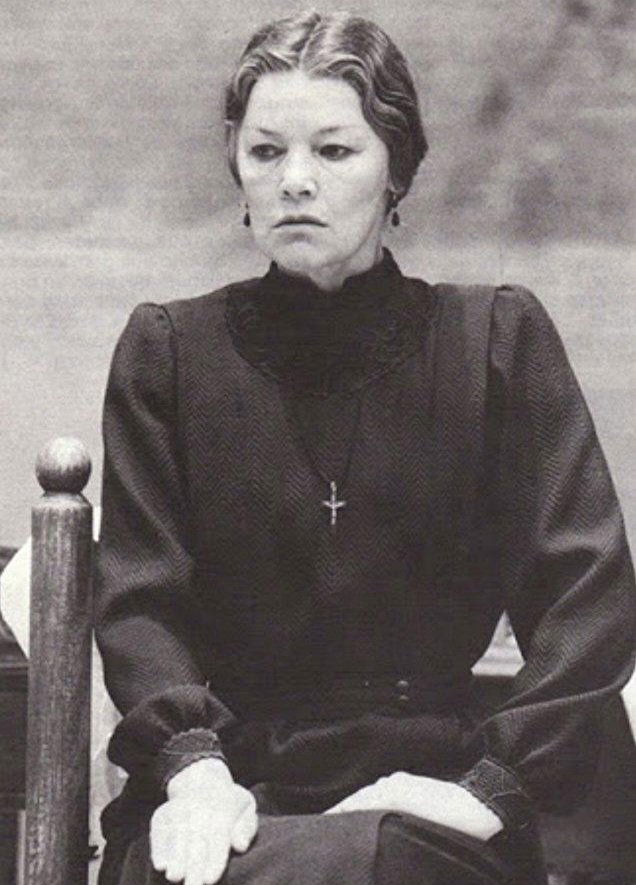
Movie spotlight
The House of Bernarda Alba
A domineering,reclusive, and ostentatiously pious widow in a small Spanish town keeps such close watch on her daughters that they are unable to have normal social lives. However, the eldest is allowed to become engaged to an unprincipled young man, primarily for the financial advantages it will bring the mother, Bernarda. Jealousy and envy ensues among the other daughters.
Insights
Plot Summary
Following the death of her second husband, the tyrannical Bernarda Alba imposes an eight-year mourning period on her five daughters, forbidding them from leaving her isolated country house. This strict seclusion, coupled with Bernarda's authoritarian rule and the daughters' suppressed desires, leads to simmering tensions, envy, and a tragic conflict over love and freedom.
Critical Reception
The 1991 film adaptation of Federico García Lorca's play, 'The House of Bernarda Alba,' directed by Mario Camus, was generally well-received for its faithful adaptation and strong performances, particularly from its lead actresses. Critics often praised its stark visual style and its ability to capture the oppressive atmosphere and psychological intensity of the source material. While it might not have achieved widespread international blockbuster status, it is regarded as a significant and respectable cinematic interpretation of a classic Spanish drama.
What Reviewers Say
Praised for its atmospheric portrayal of repression and desire.
Lauded for powerful performances, especially from the female cast.
Noted as a faithful and impactful adaptation of Lorca's iconic play.
Google audience: Information regarding specific Google user reviews for this film is not readily available.
Fun Fact
The 1991 film is one of several adaptations of Federico García Lorca's 1936 play, which itself was never performed during Lorca's lifetime due to its controversial themes.
AI-generated overview · Verify ratings on official sources