Movie spotlight
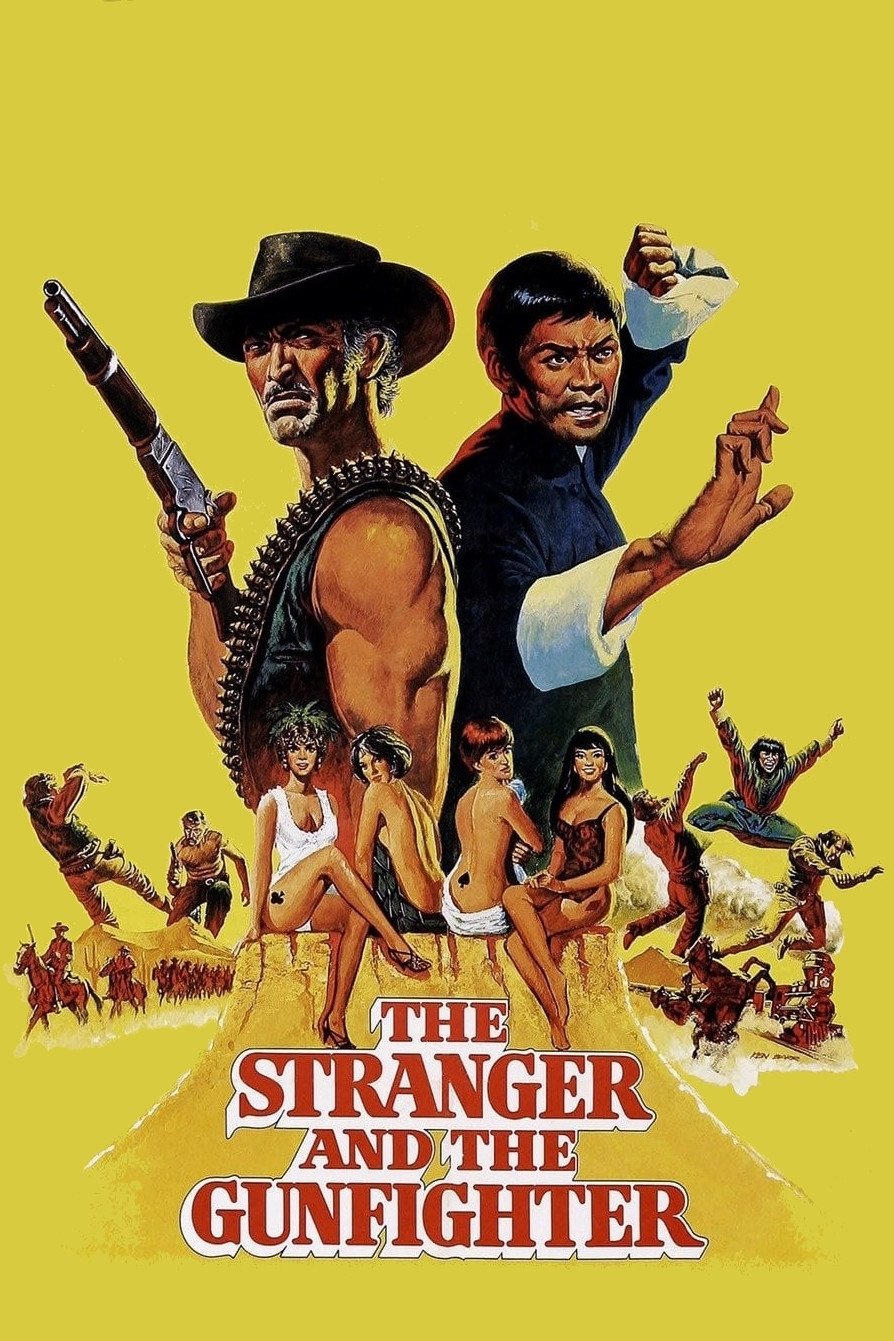
The Stranger and the Gunfighter
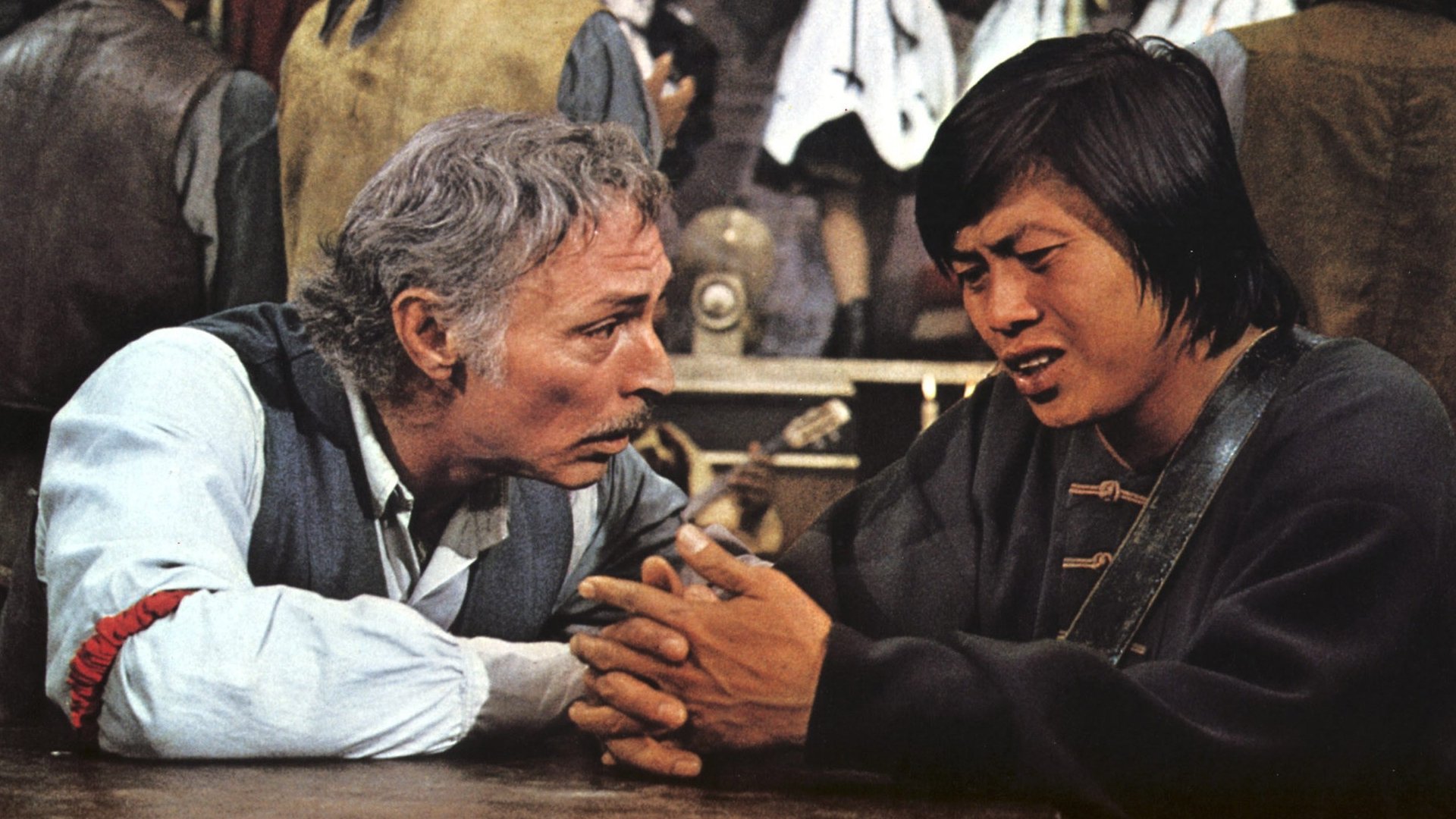
During a hold-up in the Wild West, Dakota kills a rich old Chinese man, Wang. Later, he is captured, sentenced, and is about to be hanged - and he never profitted from Wang's death, has he buried him with the photographs of his four widows, and a few worthless papers. Meanwhile, Ho comes to America in search of his uncle's fortune, and must get Dakota free, as he his the only man who can lead him to Wang's tomb. They open the tomb, retaking the pictures of Wang's widows. It happens he reads the papers and knows that Wang had one quarter of a map tattooed in each of his women's buttocks. Now, the difficult part will really start... Treasure hunt.
Insights
Plot Summary
In 19th-century Japan, a hardened American gunslinger, Rooster, finds himself entangled with a group of bandits who are extorting money from a local village. He reluctantly teams up with a former associate, Dragon, to help the villagers fight back. Their efforts are complicated by a corrupt governor and the cultural clash between the gunslinger's methods and Japanese traditions.
Critical Reception
The Stranger and the Gunfighter is a quirky Spaghetti Western that attempts to blend American frontier action with Japanese samurai aesthetics. While it boasts a unique premise and the presence of two iconic Western actors, it received a mixed to negative reception for its often jarring tonal shifts and uneven pacing. Audiences and critics found the cultural mashup to be more comical than compelling, though the action sequences and performances of Palance and Van Cleef were sometimes cited as minor highlights.
What Reviewers Say
A bizarre but occasionally entertaining Spaghetti Western with an unusual East-meets-West premise.
Features a unique concept but suffers from inconsistent tone and pacing issues.
Lee Van Cleef and Jack Palance deliver their typical genre performances, but the film struggles to find its footing.
Google audience: Information regarding specific Google user reviews and summaries for this film is not readily available.
Fun Fact
The film was an attempt to capitalize on the popularity of both Spaghetti Westerns and samurai films, often referred to as 'Jidaigeki' or 'Chanbara' films in Japan, creating a niche subgenre known as 'Wespens' or 'Eastern Westerns'.
AI-generated overview · Verify ratings on official sources