
Movie spotlight
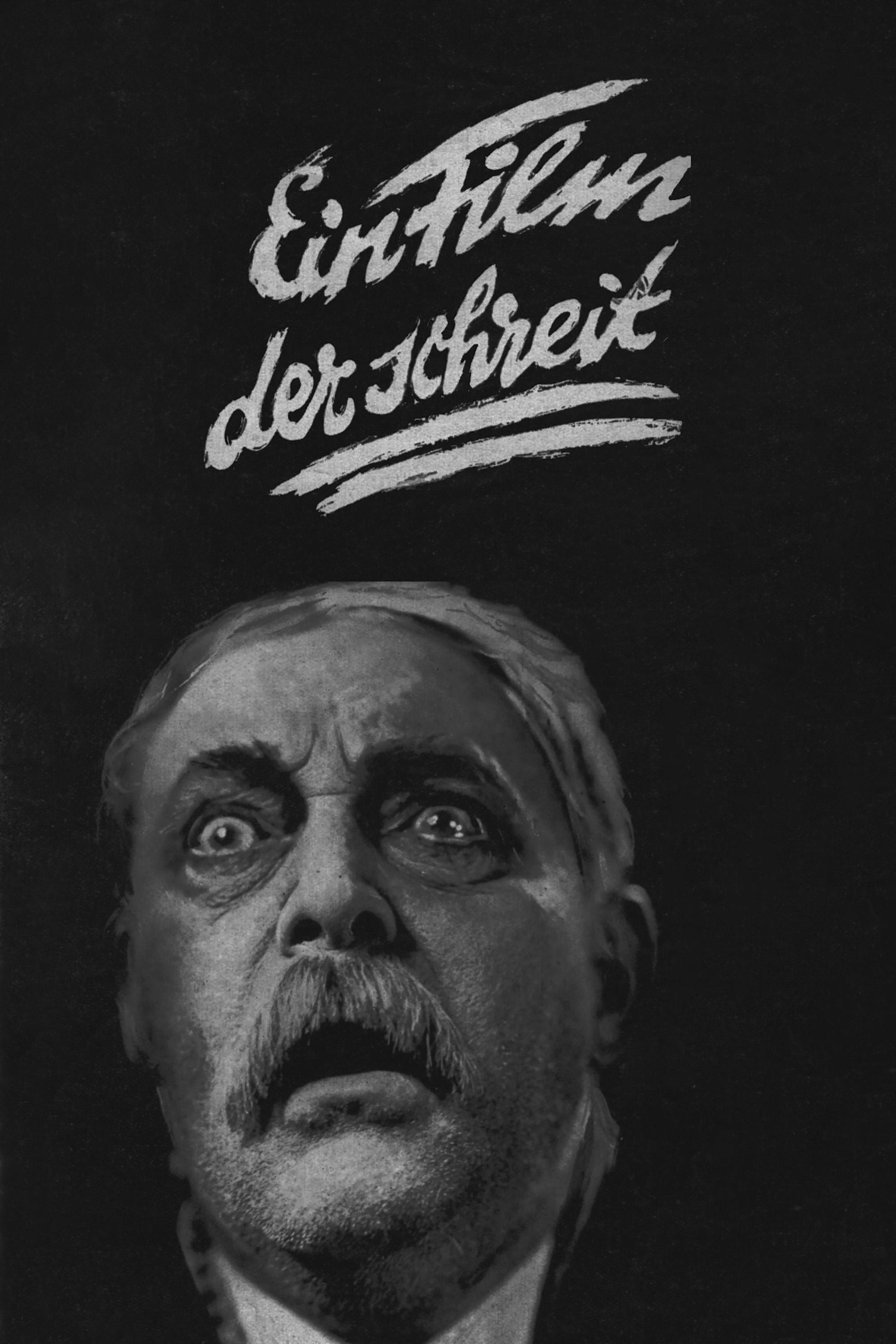
Bookkeeper Kremke
In this realistic, unsentimental portrait of Germany’s dire economic situation, a middle-aged payroll clerk loses his job due to technological advances and, unable to find another, descends into despair. The film’s director, Marie Harder, was one of only a few women directors of the time and was also the head of the German Social Democratic Film Office. She made only two known films before her accidental death in exile in Mexico in 1936.
Insights
Plot Summary
A humble bookkeeper, Kremke, faces financial ruin and the potential loss of his family's home due to his own gambling debts. Desperate, he considers an unethical proposal that could solve his problems but compromise his integrity. The film explores the pressures and moral dilemmas faced by ordinary individuals during difficult economic times.
Critical Reception
As a silent film from 1930, contemporary critical reception is difficult to ascertain definitively. However, the film is recognized for its social commentary and dramatic portrayal of a relatable character's struggles, reflecting the economic anxieties of the era. Its performances, particularly from Max Pallenberg, are often highlighted.
What Reviewers Say
Praised for its sensitive portrayal of a man under immense financial pressure.
Max Pallenberg's performance is noted as a central strength of the film.
Offers a poignant glimpse into the social and economic conditions of its time.
Google audience: Information regarding specific Google user reviews for this silent film from 1930 is not readily available.
Fun Fact
Max Pallenberg, who plays the titular character, was a highly popular German comedian and actor, and this dramatic role showcased his versatility beyond comedic performances.
AI-generated overview · Verify ratings on official sources