Director: G. W. Pabst•Genres: Drama, Silent Film
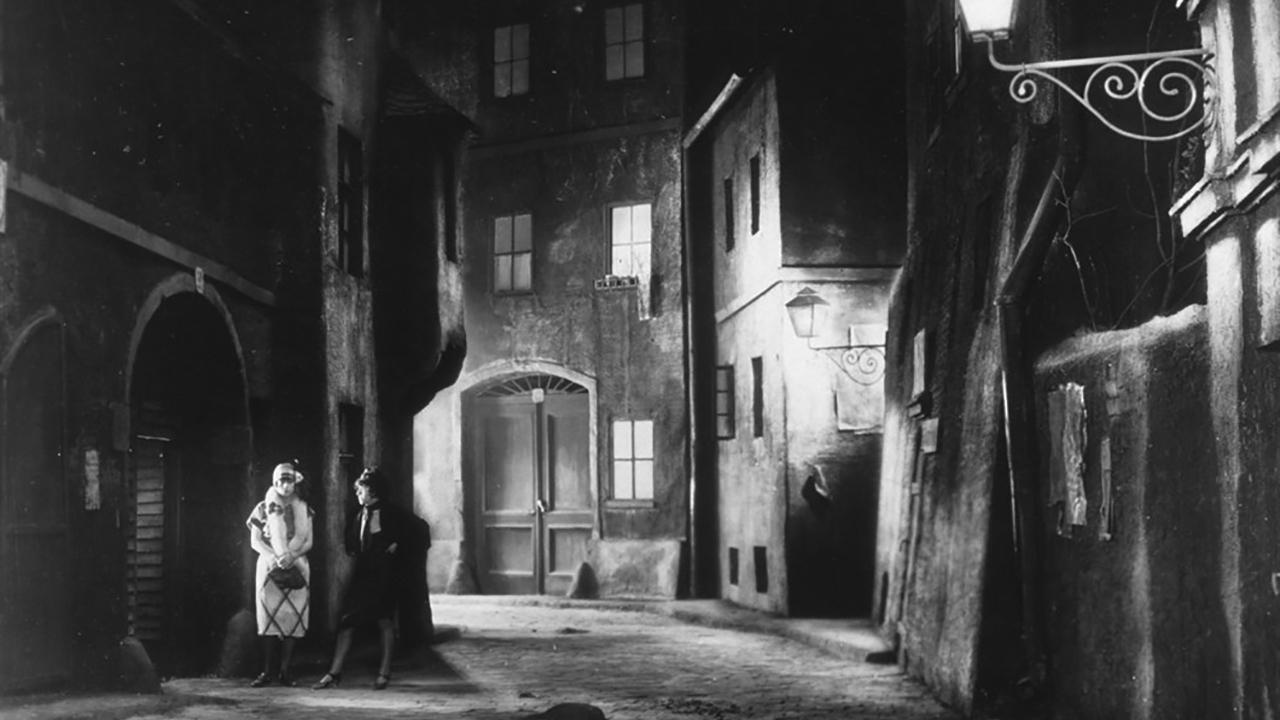
Set in Vienna during the economic collapse following World War I, the film follows the lives of several women struggling to survive amidst poverty, corruption, and moral decay. Each woman resorts to different means, often involving illicit activities, to make ends meet in a society where desperation has become commonplace. Their intertwined stories paint a grim picture of the societal impact of hyperinflation and societal breakdown.
Joyless Street was critically acclaimed for its stark realism and unflinching portrayal of post-war Viennese society. It was praised for its innovative cinematic techniques and powerful performances, particularly from Asta Nielsen. The film is considered a landmark of German Expressionism and social commentary in cinema.
Praised for its unflinching realism and grim depiction of post-war struggles.
Hailed as a significant work of German Expressionism and social critique.
Lauded for the powerful performance of Asta Nielsen.
Google audience: Audience reception for this silent film is not readily available through Google user reviews.
G. W. Pabst's "Joyless Street" was instrumental in launching the careers of several actors who would become major stars, including a young Greta Garbo, who had a small but significant role.
AI-generated overview · Verify ratings on official sources