Movie spotlight
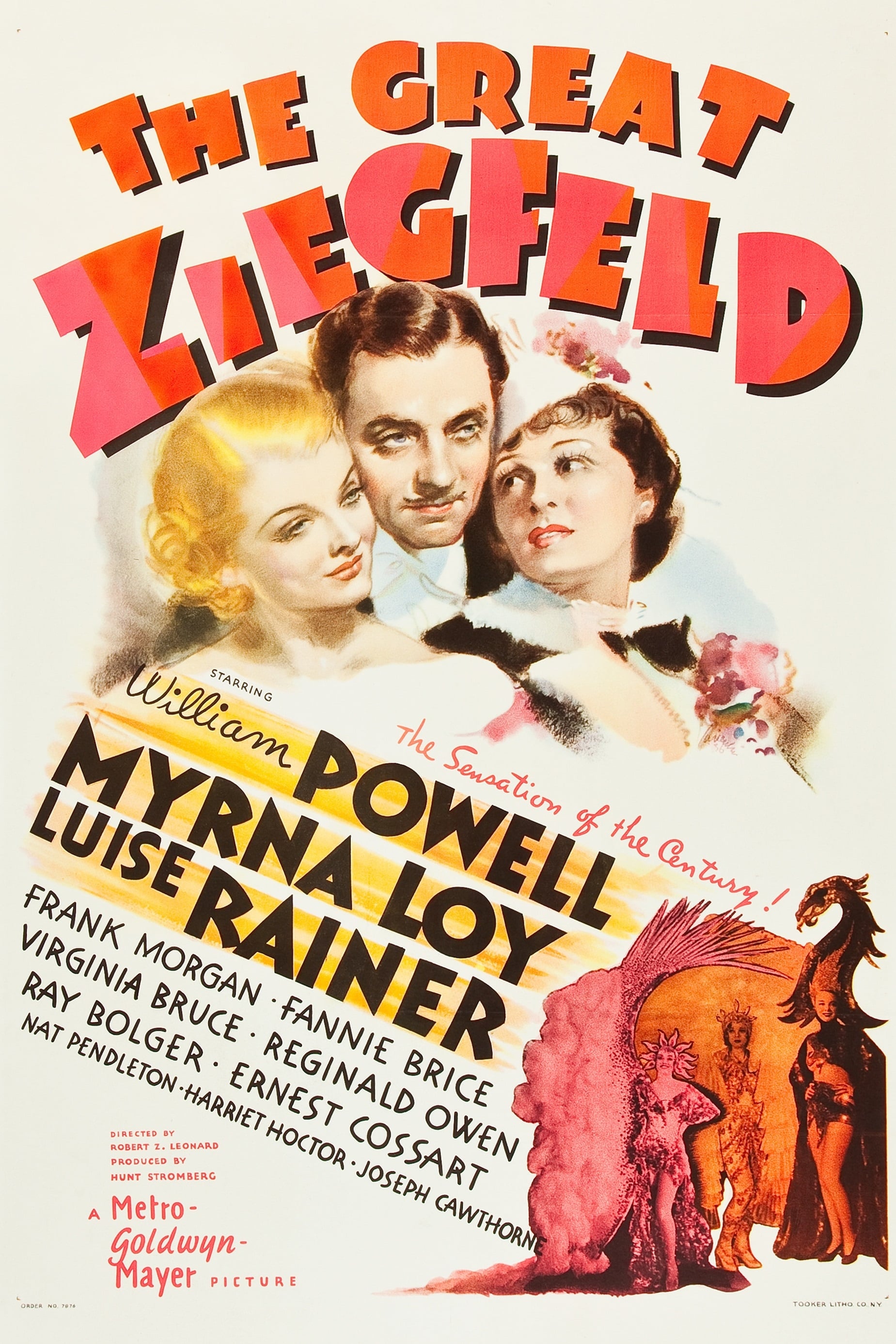
The Great Ziegfeld
At the 1893 Chicago World's Fair, sideshow barker Florenz Ziegfeld turns the tables on his more-successful neighbor Billings, and also steals his girlfriend. This pattern repeats throughout their lives, as Ziegfeld makes and loses many fortunes putting on ever-bigger, more spectacular shows
Insights
Plot Summary
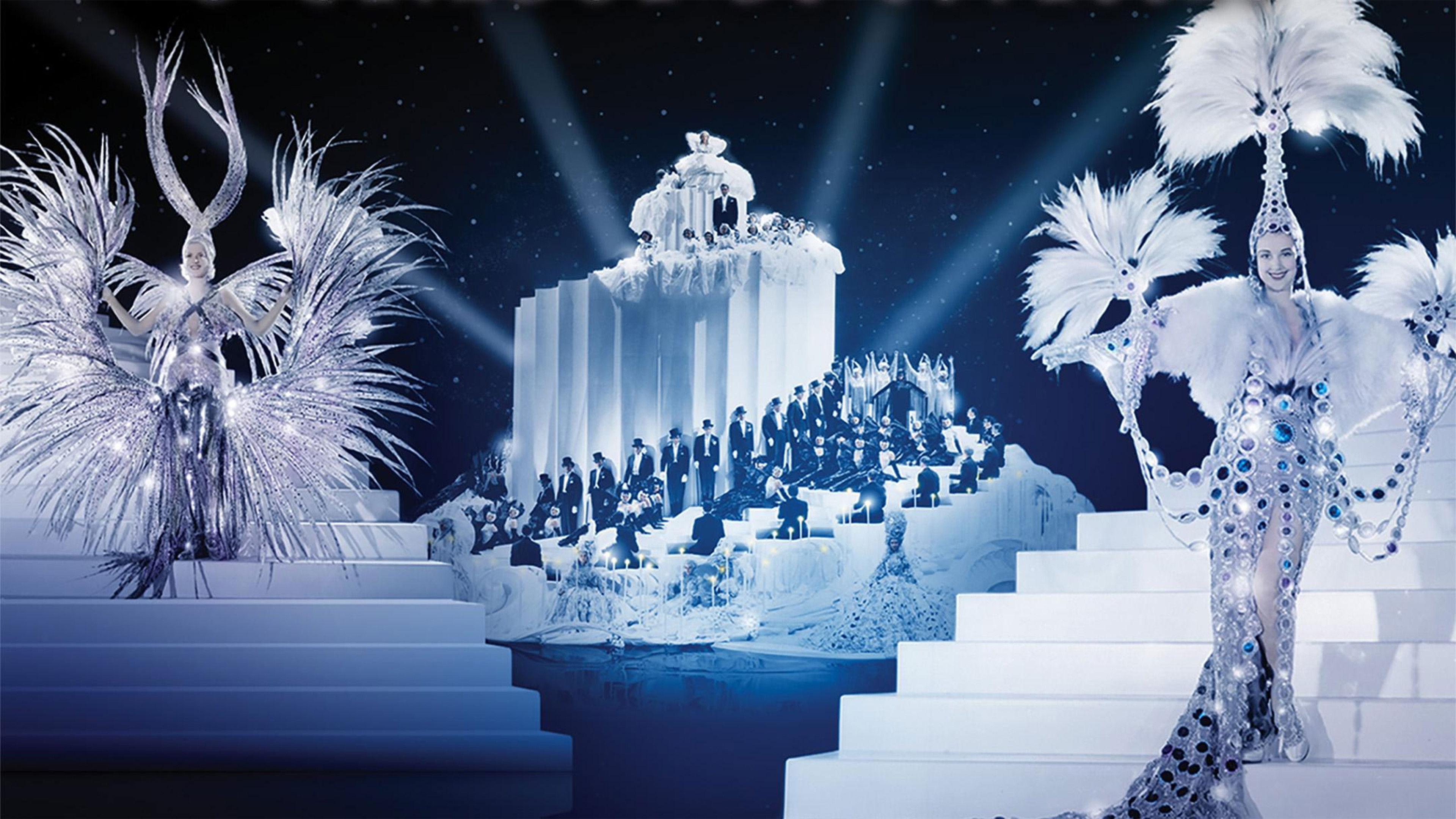
This lavish biographical musical chronicles the life and career of Florenz Ziegfeld Jr., the legendary Broadway showman. It depicts his rise to fame through his extravagant 'Follies' revues, his complex personal life, and his eventual financial downfall. The film focuses on his ambitious nature, his relationships with the stars he discovered, and the immense spectacle of his productions.
Critical Reception
The Great Ziegfeld was a critical and commercial success, lauded for its grand scale, opulent production numbers, and strong performances, particularly Luise Rainer's Oscar-winning turn. It was seen as a fitting tribute to a showman who defined an era of American entertainment.
What Reviewers Say
Praised for its impressive musical numbers and lavish production design.
William Powell's portrayal of Ziegfeld was considered compelling.
Luise Rainer's emotional performance was a standout, earning her an Academy Award.
Google audience: Audiences generally appreciate the film's spectacular Ziegfeld Follies sequences and the engaging biographical narrative. Many highlight the historical scope and the nostalgic look at early 20th-century entertainment.
Awards & Accolades
Won the Academy Award for Best Picture and Best Actress (Luise Rainer). Nominated for Best Director and Best Original Screenplay.
Fun Fact
The film's famous ballroom scene, depicting Ziegfeld's wedding, was so expensive and elaborate that it reportedly cost more to film than many entire movies made at the time.
AI-generated overview · Verify ratings on official sources