Movie spotlight
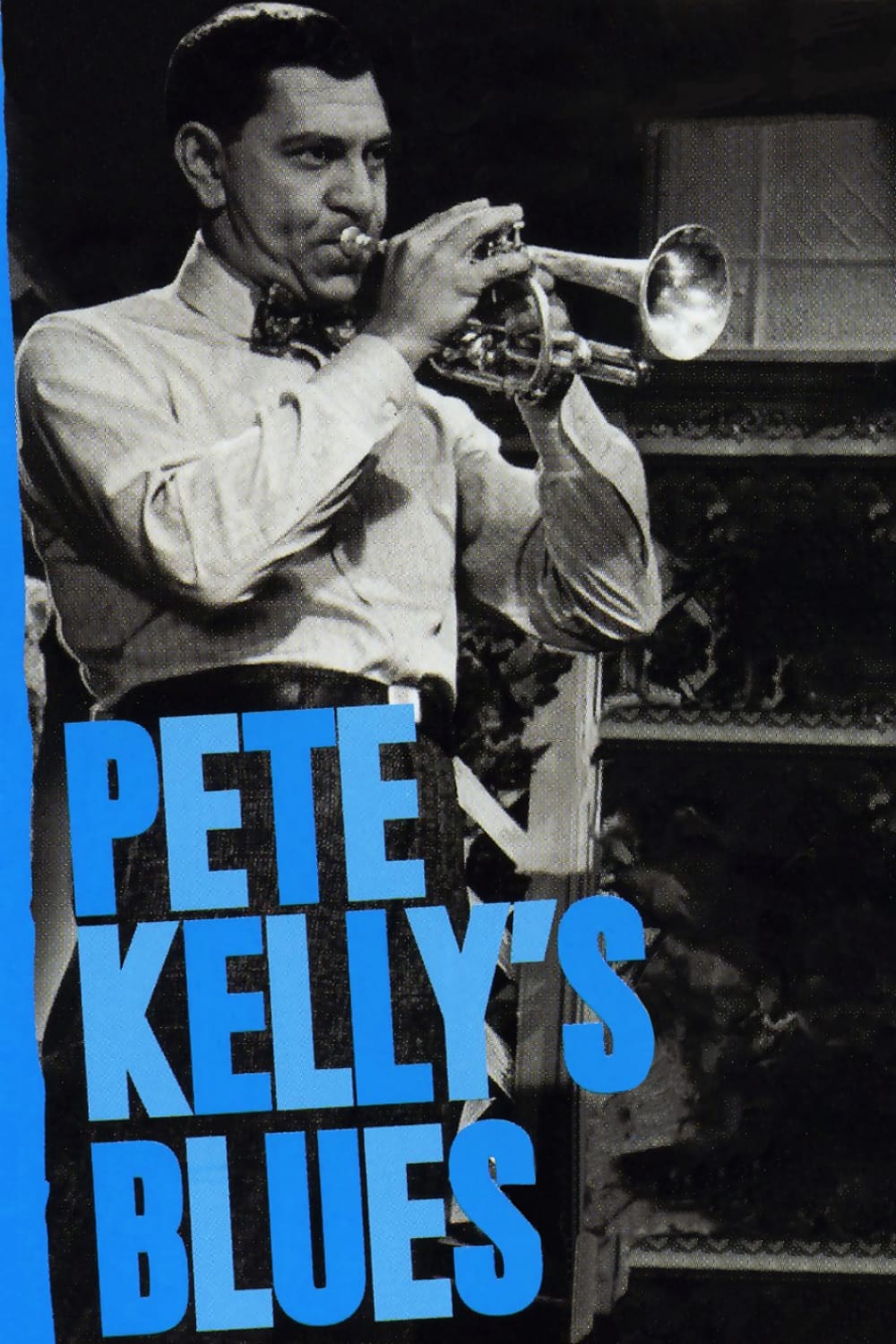
Pete Kelly's Blues
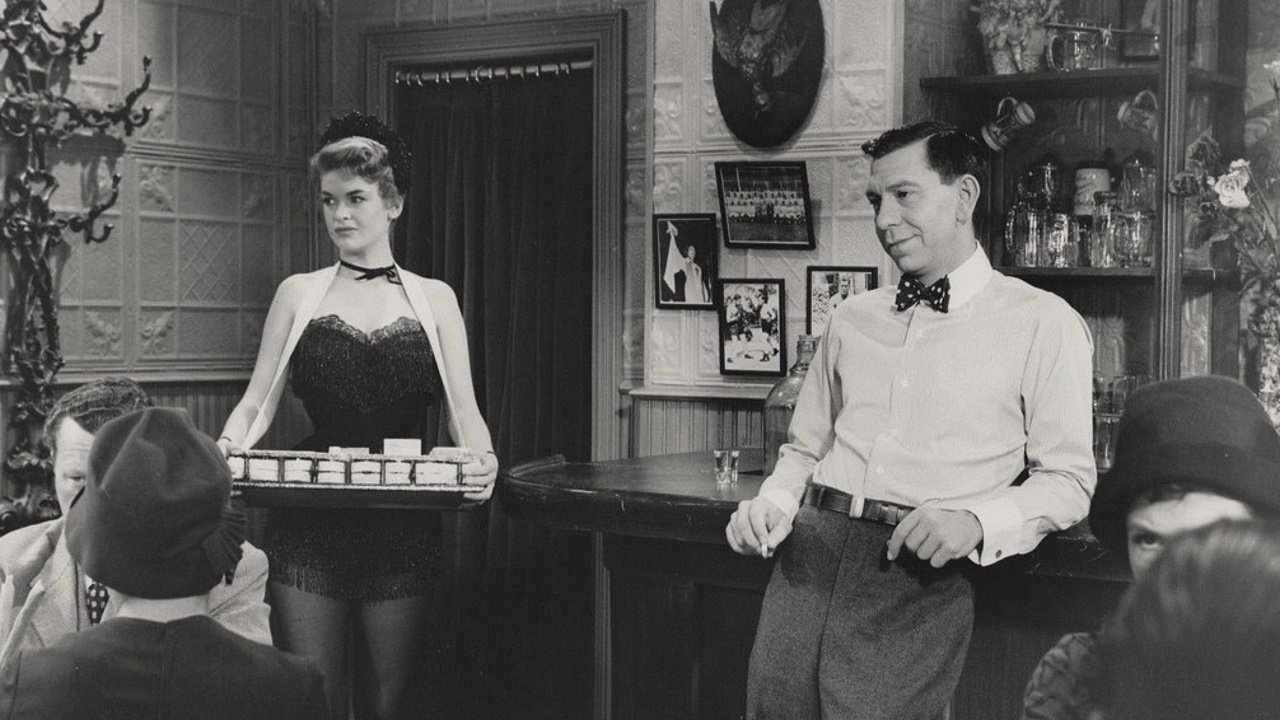
In 1927, a Kansas City, Missouri cornet player and his band perform nightly at a seedy speakeasy until a racketeer tries to extort them in exchange for protection.
Insights
Plot Summary
In 1927 Kansas City, a jazz bandleader named Pete Kelly becomes entangled with the mob when he refuses to hire a singer favored by a powerful gangster. As tensions rise, Kelly finds himself caught between his musical integrity and the dangerous underworld. The situation escalates with double-crosses, a murder, and a desperate attempt to escape the city alive.
Critical Reception
Pete Kelly's Blues received mixed reviews, with praise often directed at Peggy Lee's performance and the authentic jazz score. However, the plot was frequently criticized for being predictable and lacking the depth of other film noirs. Jack Webb's direction was noted for its stylistic attempts to capture the era, but the overall narrative was seen as somewhat uneven.
What Reviewers Say
Praised for its atmospheric jazz soundtrack and Peggy Lee's memorable performance.
Criticized for a somewhat formulaic and uninspired plot.
Jack Webb's direction aimed for authenticity but didn't always succeed in creating compelling drama.
Google audience: Audience reception is not widely documented on Google, but general consensus suggests appreciation for the musical elements and period setting, with some finding the crime story less engaging.
Awards & Accolades
Peggy Lee was nominated for the Academy Award for Best Music, Song for 'The Ballad of Pete Kelly'.
Fun Fact
The film features a notable jazz score, with music arranged by Ray Heindorf and a notable performance by Peggy Lee, who also co-wrote and sang the nominated song 'The Ballad of Pete Kelly'.
AI-generated overview · Verify ratings on official sources