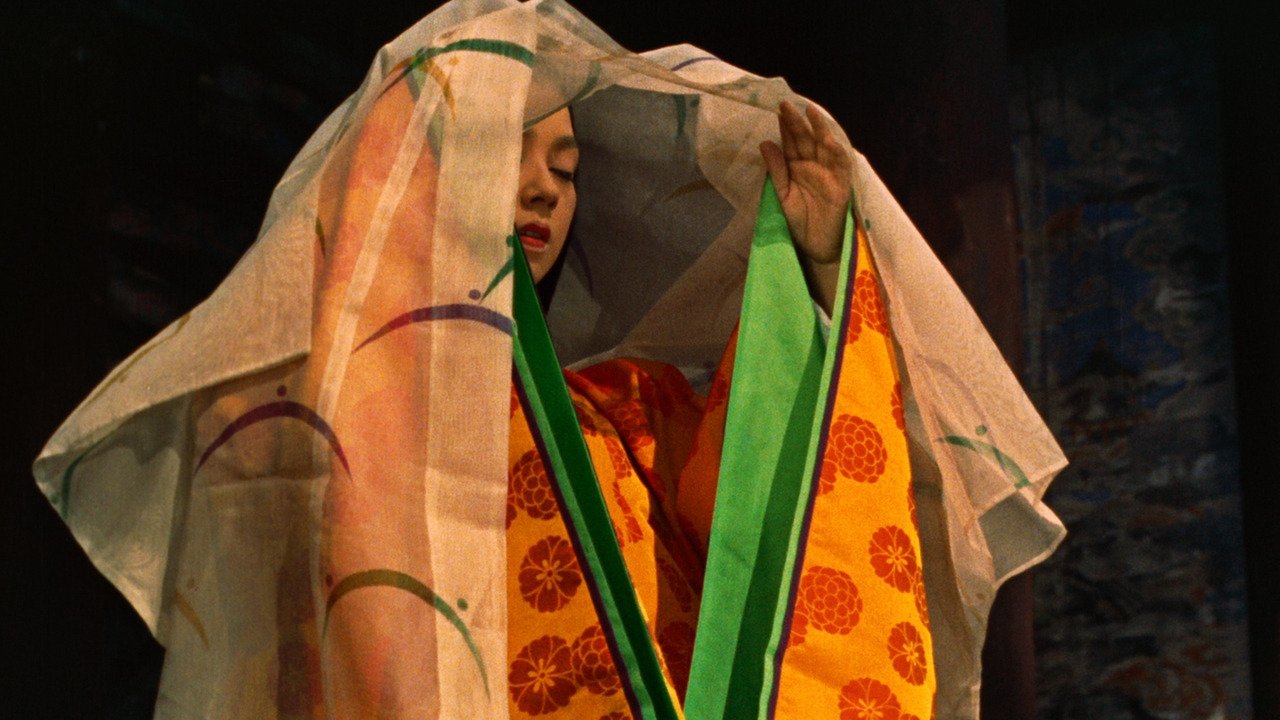

Movie spotlight
Gate of Hell
Japan, 1159. Moritō, a brave samurai, performs a heroic act by rescuing the lovely Kesa during a violent uprising. Moritō falls in love with her, but becomes distraught when he finds out that she is married.
Insights
Plot Summary
In feudal Japan, a samurai named Morito is tasked with escorting a noblewoman, Lady Kichiji, disguised as his wife to protect her from rebels. As they journey, Morito finds himself falling in love with Kichiji, a married woman of higher social standing. This forbidden desire leads to a tragic entanglement of jealousy, obsession, and ultimately, violence.
Critical Reception
Gate of Hell was a landmark film for Japanese cinema, receiving widespread critical acclaim for its stunning visual artistry and dramatic intensity. It was particularly praised for its vibrant use of color and its compelling exploration of human passion and its destructive consequences. The film achieved significant international success, winning major awards and cementing its place as a classic of world cinema.
What Reviewers Say
Visually breathtaking with an exquisite use of color.
A powerful and tragic story of forbidden love and obsession.
Masterful direction and compelling performances.
Google audience: Audiences praise the film's stunning visual beauty and the intense, tragic story of love and obsession. Many highlight its artistic merit and the emotional impact of the narrative.
Awards & Accolades
Won the Palme d'Or at the 1954 Cannes Film Festival, received an Honorary Academy Award for Best Foreign Language Film in 1955, and won two awards at the 1954 Venice Film Festival (Best Actress for Machiko Kyō and Best Cinematography).
Fun Fact
Gate of Hell was one of the first Japanese films to be shot in Eastmancolor, contributing significantly to its visually striking aesthetic and its international appeal.
AI-generated overview · Verify ratings on official sources