Movie spotlight
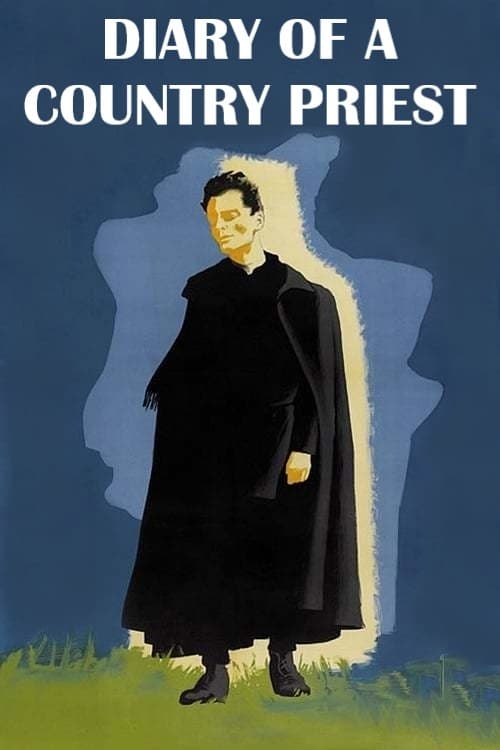
Diary of a Country Priest
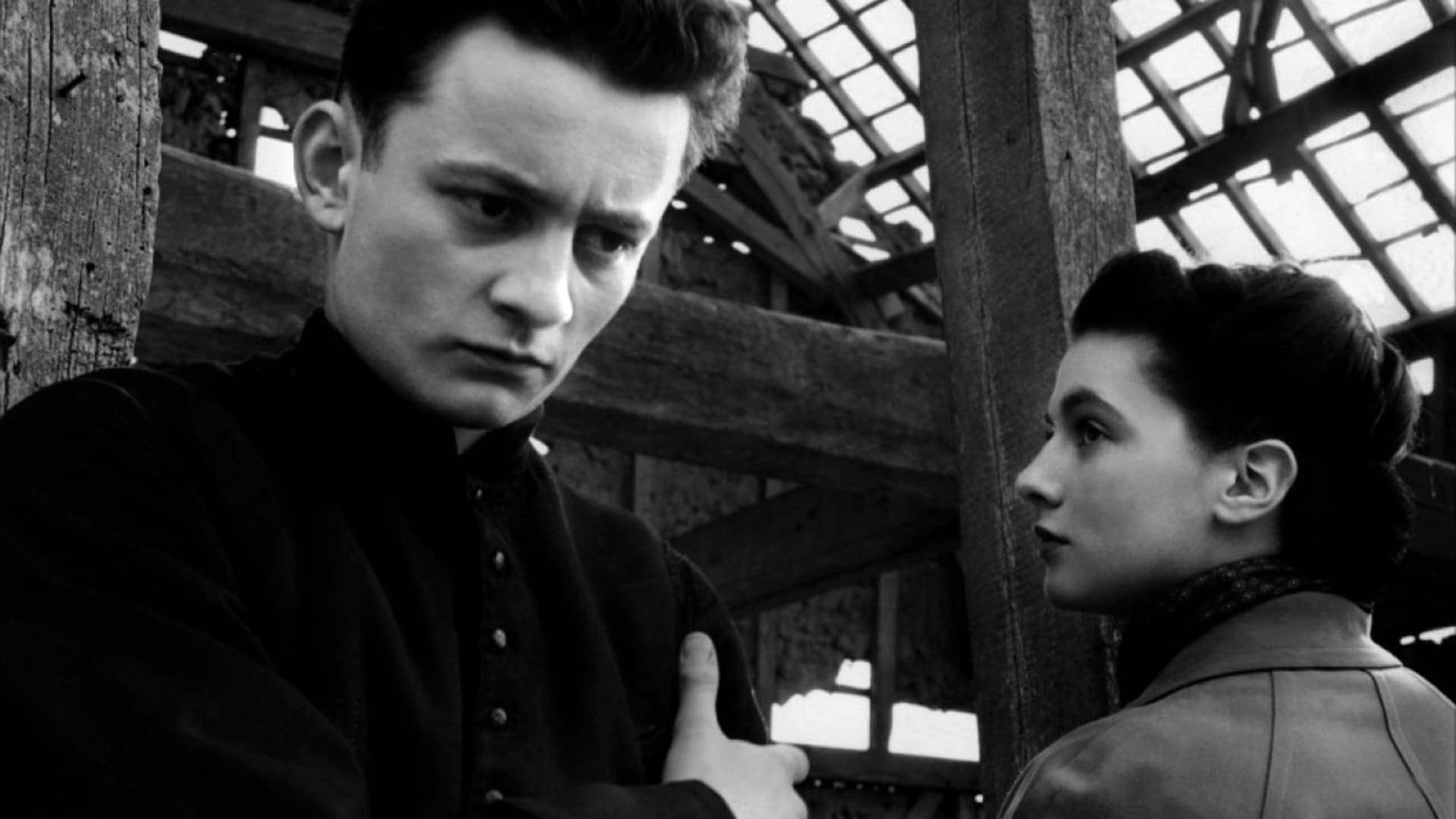
An inexperienced, sickly priest shows up in the rural French community of Ambricourt, where he joins the community's clergy. But the locals don't take kindly to the priest, and his ascetic ways and unsociable demeanor make him an outcast. During Bible studies at the nearby girls school, he is continually mocked by his students. Then his attempt to intervene in a family feud backfires into a scandal. His failures, compounded with his declining health, begin to erode his faith.
Insights
Plot Summary
A young, idealistic priest is assigned to a rural parish in northern France. He struggles with his faith, the indifference of his parishioners, and his own physical ailments. The film follows his quiet suffering and his attempts to bring spiritual solace to a community that is often resistant to his efforts.
Critical Reception
Diary of a Country Priest is widely regarded as a masterpiece of French cinema and a seminal work of spiritual cinema. Critics lauded its austere beauty, profound emotional depth, and Bresson's unique directorial style. It is often cited as one of the greatest films ever made.
What Reviewers Say
Profoundly moving and spiritually resonant.
A masterful exploration of faith, suffering, and redemption.
Bresson's stark realism and authentic portrayal of a priest's inner life are exceptional.
Google audience: Audiences consistently praise the film's deep emotional impact and its thoughtful exploration of faith and the human condition. Many viewers find the protagonist's quiet struggle and the film's philosophical underpinnings to be particularly compelling.
Awards & Accolades
Special Mention at the Venice Film Festival (1951).
Fun Fact
Robert Bresson famously rejected conventional acting, insisting that his actors "model" their performances rather than act, using a technique he called "abstraction-creation" to achieve a more naturalistic and profound effect.
AI-generated overview · Verify ratings on official sources