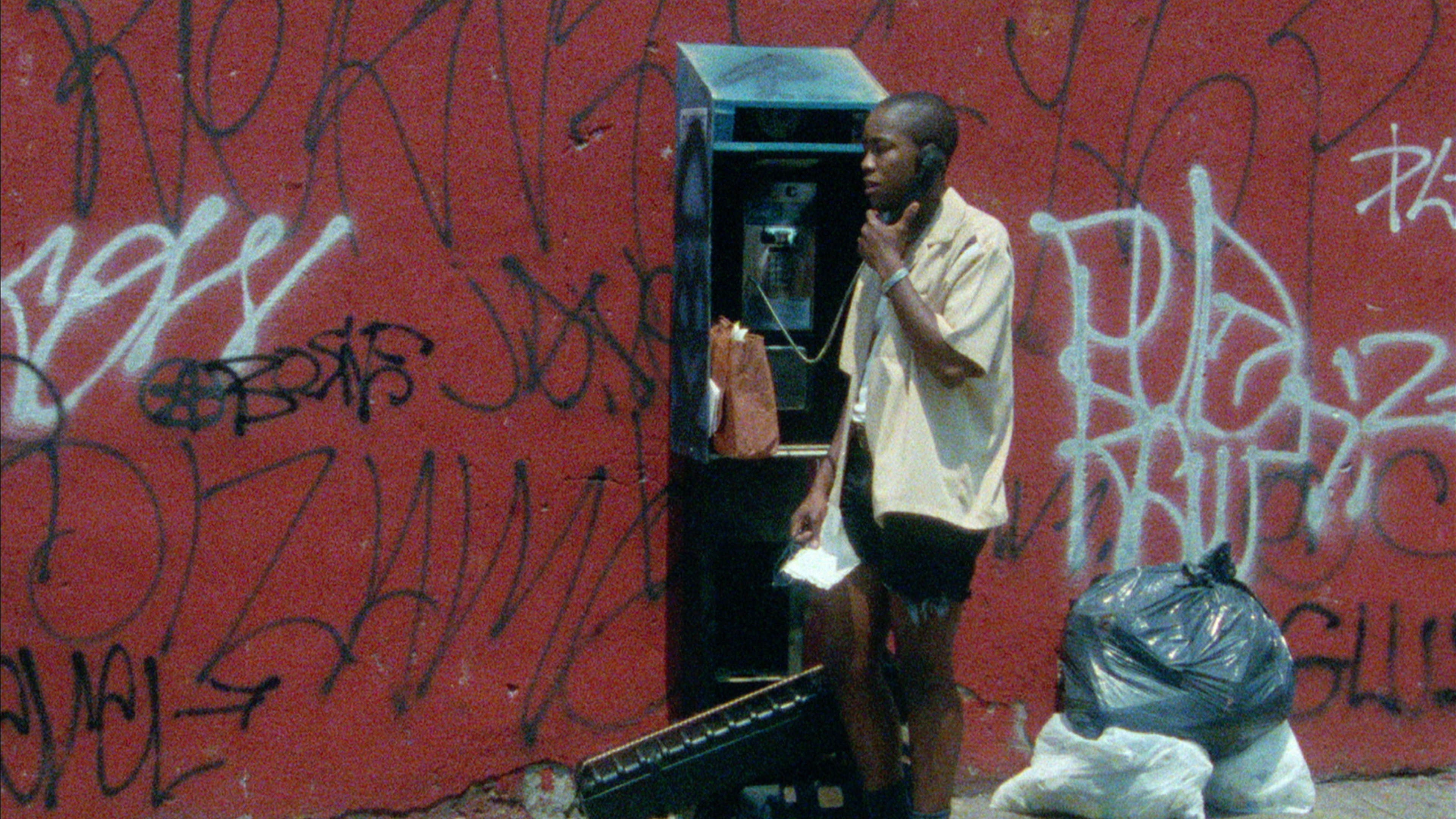


The Watermelon Woman
A young black lesbian filmmaker probes into the life of The Watermelon Woman, a 1930s black actress who played 'mammy' archetypes.
Insights
Plot Summary
A young African-American lesbian filmmaker, Cheryl, makes a documentary about an obscure actress from the 1930s known as 'The Watermelon Woman'. As she delves deeper into the actress's life, she uncovers hidden truths and embarks on a personal journey of self-discovery and romantic entanglement. The film blurs the lines between fiction and documentary, exploring themes of identity, history, and representation.
Critical Reception
The Watermelon Woman was critically acclaimed for its innovative approach to filmmaking, its honest portrayal of Black lesbian identity, and its sharp social commentary. It is widely regarded as a landmark film in independent and queer cinema.
What Reviewers Say
- Praised for its groundbreaking exploration of Black lesbian identity and history.
- Hailed as a significant work of independent and queer cinema.
- Applauded for its witty and intelligent storytelling that challenges conventional narratives.
Google audience: Audiences generally appreciate the film's unique perspective and its important contribution to representation, though some find its documentary-style pacing to be an acquired taste.
Awards & Accolades
Teddy Award for Best Feature Film at the Berlin International Film Festival (1997), Audience Award for Best Feature Film at the Outfest Los Angeles Gay and Lesbian Film Festival (1997).
Fun Fact
The film's exploration of 'The Watermelon Woman' was inspired by the real-life historical absence of representation for Black women in early cinema, with Dunye creating a fictional character to fill that void and challenge dominant historical narratives.
AI-generated overview · Verify ratings on official sources
My Review
TMDB Reviews
1 reviews