
Movie spotlight
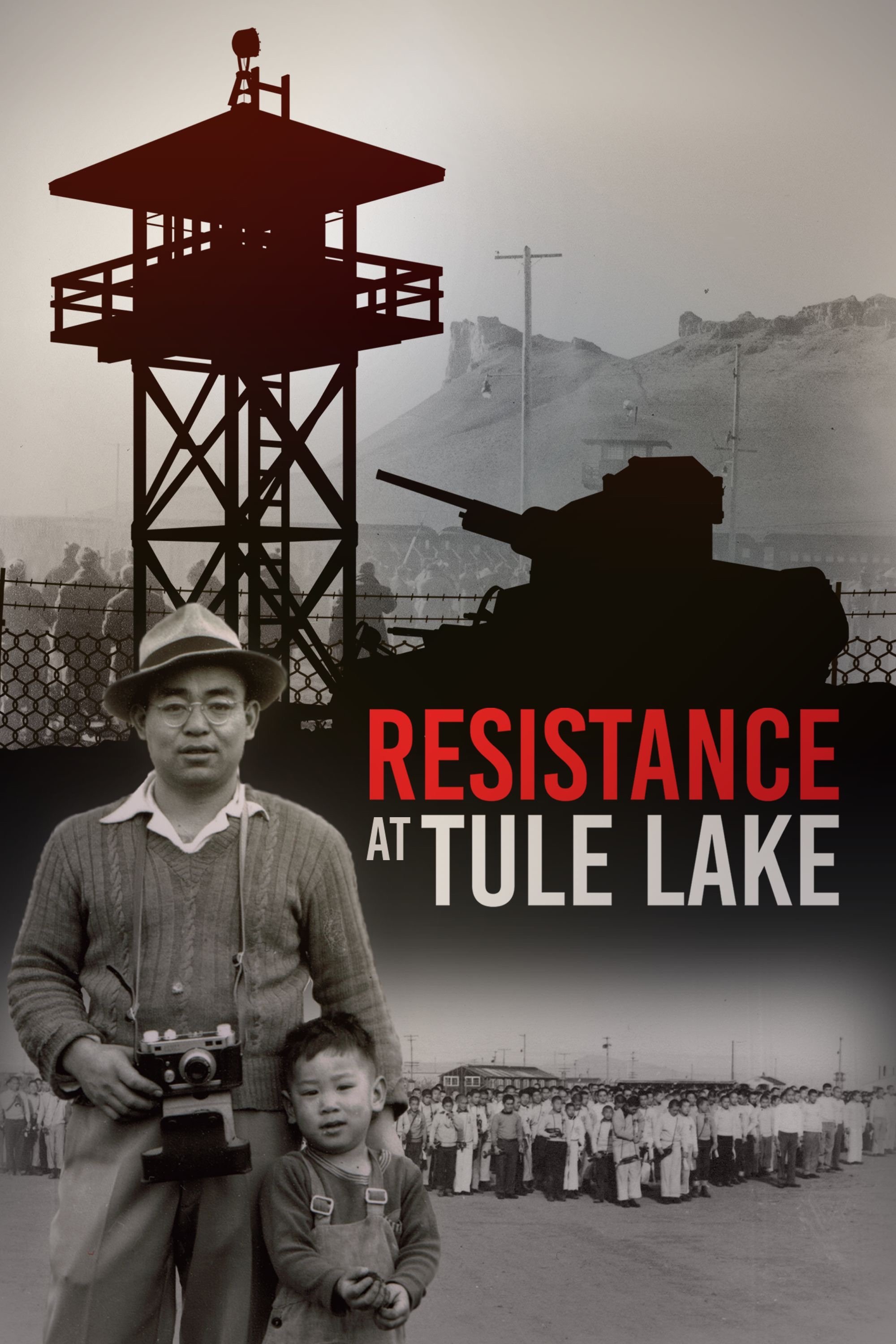
Resistance at Tule Lake
The long-suppressed story of 12,000 Japanese Americans who dared to resist the U.S. government's program of mass incarceration during World War II. Branded as 'disloyals' and re-imprisoned at Tule Lake Segregation Center, they continued to protest in the face of militarized violence, and thousands renounced their U.S. citizenship. Giving voice to experiences that have been marginalized for over 70 years, this documentary challenges the nationalist, one-sided ideal of wartime 'loyalty.'
Insights
Plot Summary
This documentary explores the experiences of Japanese Americans imprisoned in concentration camps during World War II, focusing on the specific history of the Tule Lake War Relocation Center. It delves into the profound moral and ethical dilemmas faced by the internees, particularly those who resisted the U.S. government's loyalty questionnaire. The film highlights the complexities of citizenship, identity, and the fight for justice in the face of systemic discrimination.
Critical Reception
Resistance at Tule Lake has been lauded for its sensitive and in-depth examination of a critical period in American history. Critics have praised its focus on personal stories and the nuanced portrayal of resistance within the camps. Audiences have found the film to be educational, moving, and a vital reminder of the injustices faced by Japanese Americans.
What Reviewers Say
Praised for its detailed historical account of Japanese American internment.
Commended for giving voice to the experiences of those who resisted.
Noted for its emotional impact and educational value.
Google audience: Information not readily available for a specific Google user review summary for this documentary.
Awards & Accolades
Screened at various film festivals, including the CAAMFest (Center for Asian American Media Film Festival).
Fun Fact
The film draws heavily on archival footage and interviews with survivors, offering a firsthand perspective on the events at Tule Lake.
AI-generated overview · Verify ratings on official sources