Movie spotlight
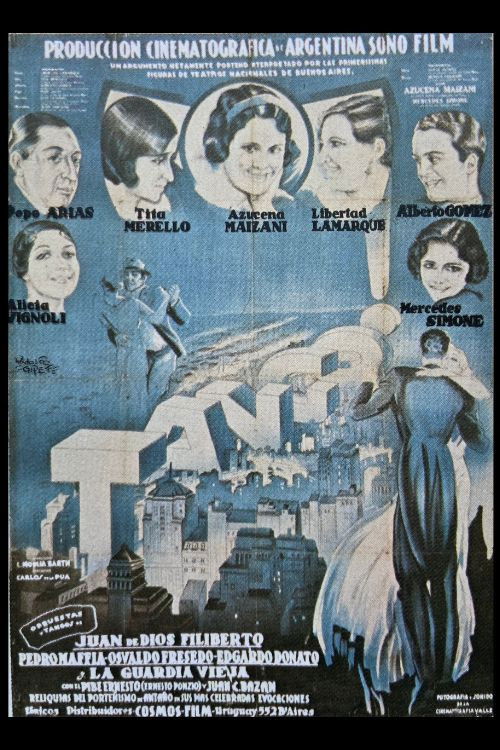
¡Tango!
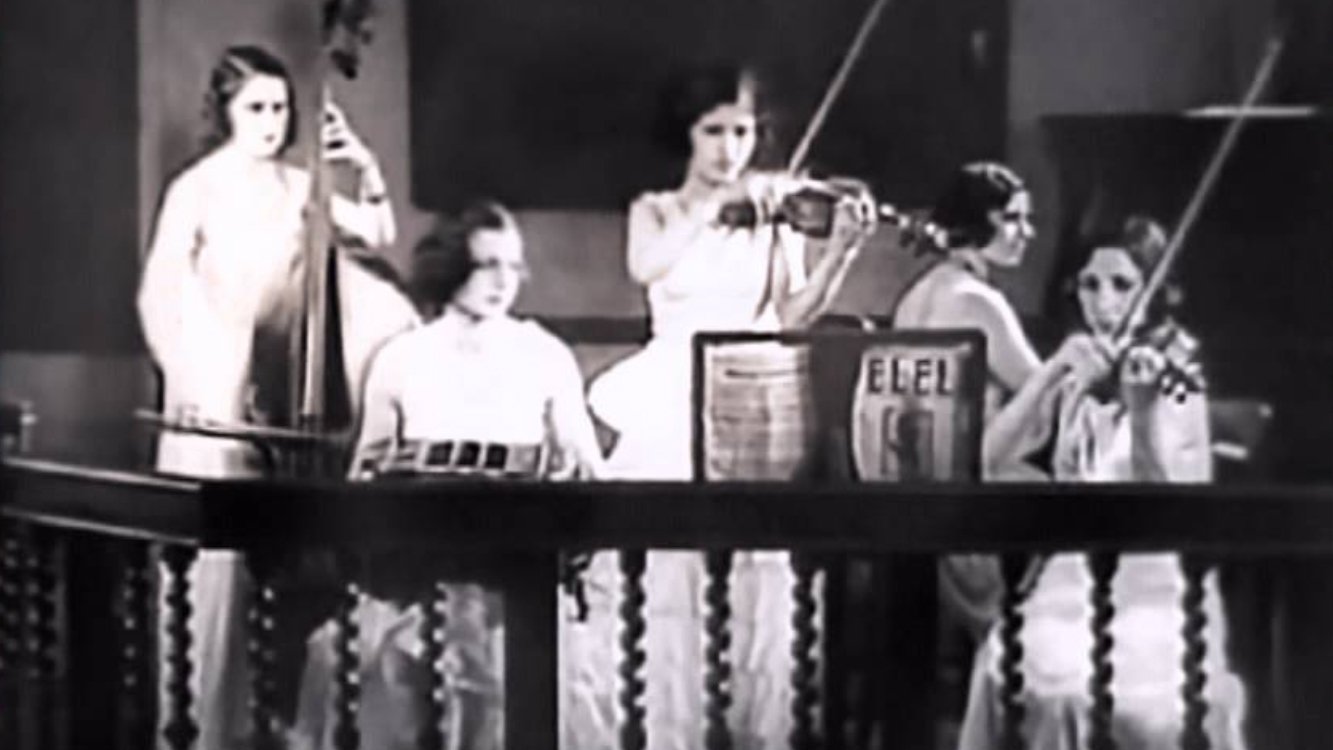
¡Tango! follows a formula established by Carlos Gardel with films such as Luces de Buenos Aires (The Lights of Buenos Aires, 1931) in which a melodramatic story is interspersed with tango songs. However, the film had less dialog and more music, making it more like a musical revue. This format would be copied by many subsequent films. The plot is derived from tango songs. Many of these songs tell of the seduction of an innocent slum girl by a rich man who promises her a glamorous life, but who abandons her when her looks fade. The stylized and sentimental plot of ¡Tango! revolves around a young man who is abandoned by his girlfriend for an older rich man and is heartbroken. The film follows his misfortunes.
Insights
Plot Summary
Set against the vibrant backdrop of Buenos Aires, this musical drama follows the intertwined lives of dancers and musicians in the tango world. The story delves into themes of love, betrayal, and the pursuit of artistic dreams, showcasing the passionate and sometimes tumultuous nature of the tango lifestyle.
Critical Reception
¡Tango! was a groundbreaking film for Argentine cinema, notable for being one of the first sound films produced in the country. It was well-received for its musical numbers and its authentic portrayal of tango culture, though its narrative is considered somewhat conventional by modern standards.
What Reviewers Say
Praised for its early adoption of sound and its authentic tango sequences.
Considered a significant achievement in early Argentine film production.
The narrative, while functional, takes a backseat to the musical performances.
Google audience: Information not available.
Fun Fact
¡Tango! is often cited as the first sound film made in Argentina, marking a significant technological advancement for the country's film industry.
AI-generated overview · Verify ratings on official sources