IMDb7.6/10
Rotten Tomatoes97%
Director: Masahiro Shinoda•Genres: Drama, Romance
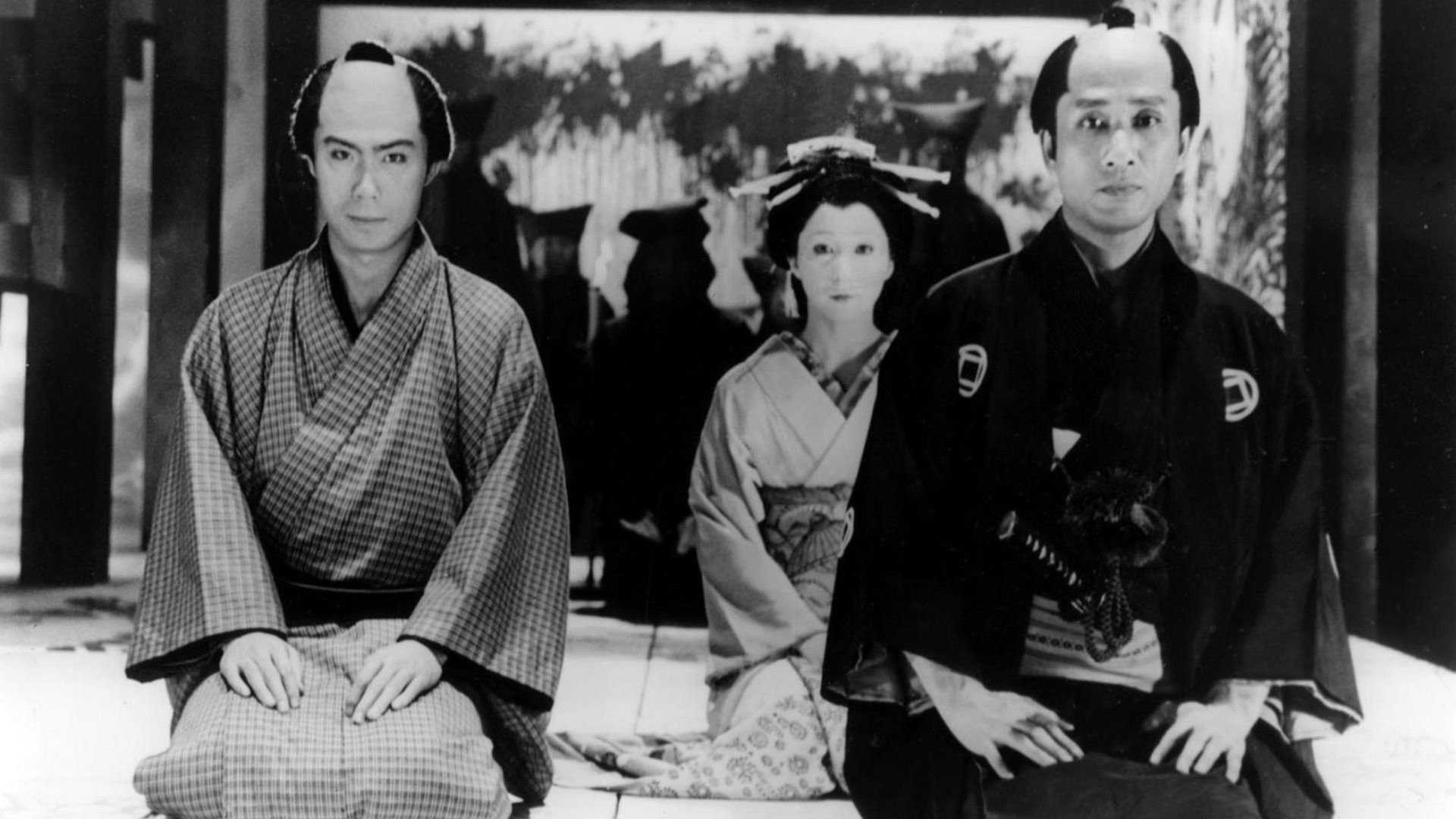
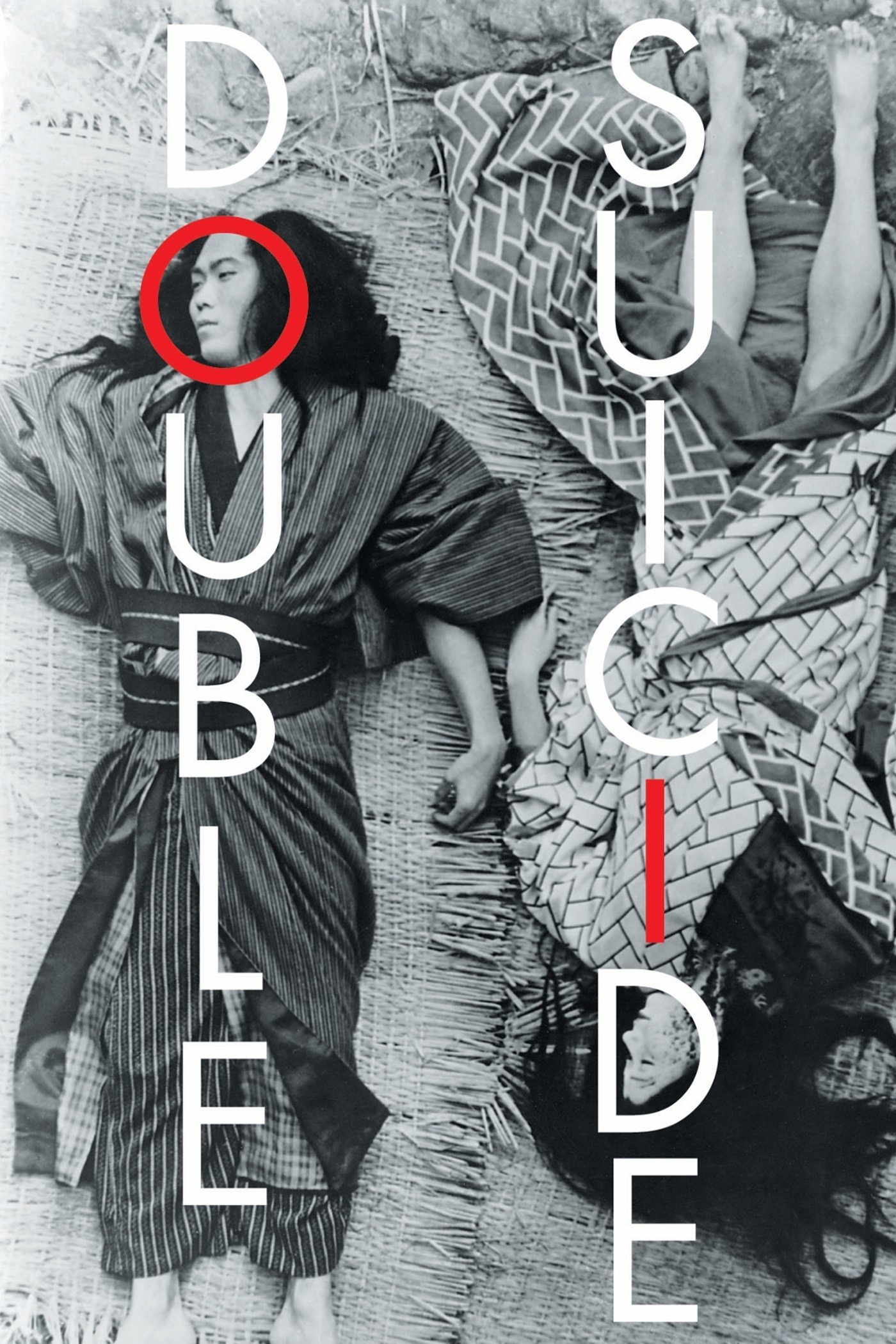
In Edo-era Japan, a married printer, Jihei, falls deeply in love with a courtesan, Koharu. Their illicit affair is threatened by Jihei's mounting debts and the social pressures against their union. To be together in death as they could not be in life, they conspire to stage a double suicide, a profound act of devotion and defiance against a rigid society.
Double Suicide is widely acclaimed as a masterpiece of Japanese cinema, celebrated for its stunning visual artistry, powerful performances, and tragic narrative. Critics lauded its innovative cinematic techniques and its unflinching exploration of love, duty, and societal constraints.
Visually breathtaking and deeply moving.
A poignant and tragically beautiful story of forbidden love.
Masterful direction and unforgettable performances.
Google audience: N/A
Nominated for the Palme d'Or at the 1970 Cannes Film Festival. Recognized for its artistic merit and cultural significance.
The film's striking visual style, particularly its use of theatrical Bunraku puppetry to represent the inner lives of the characters, was groundbreaking and heavily influenced by Kabuki theater conventions.
AI-generated overview · Verify ratings on official sources