
Movie spotlight
Darkness Fell on Gotenhafen
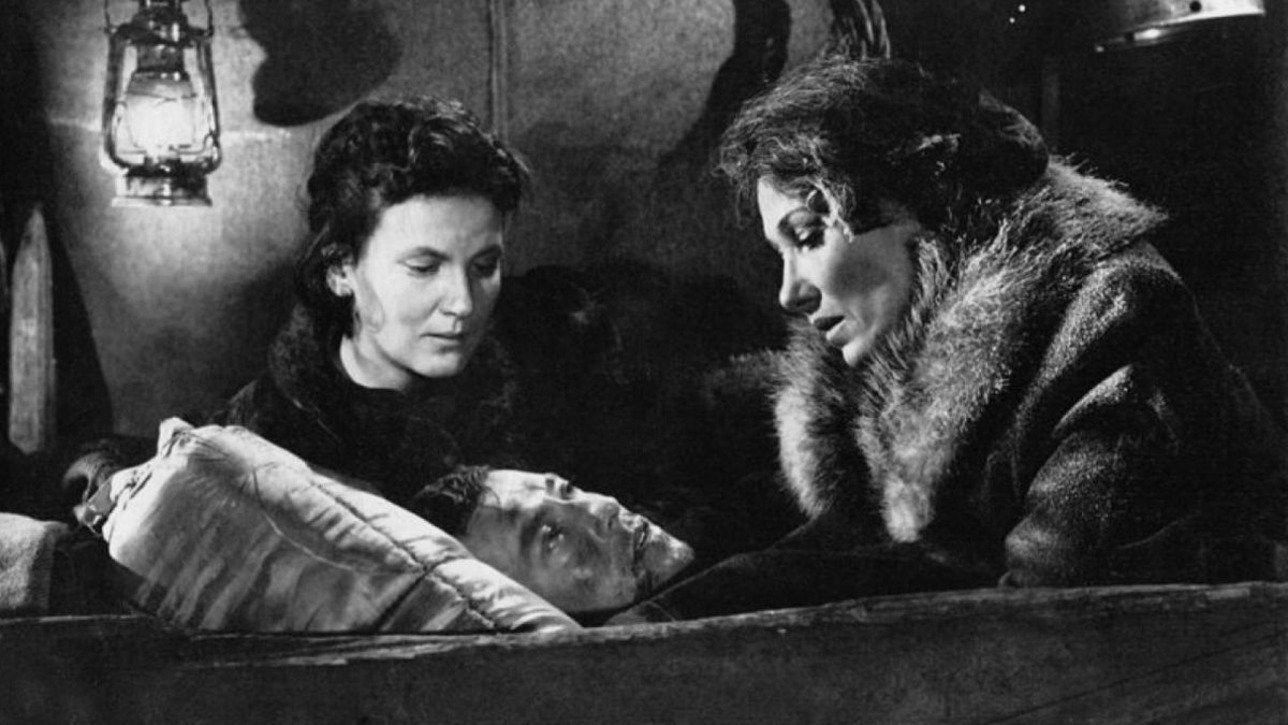
The film depicts the first month of 1945 when the Russian Red Army broke into the eastern part of Germany and forced millions of civilians to flee in the coldest of winter. While the Russians invaded Ostpreussen hundred of thousands of civilians were evacuated by ships. Gotenhafen was the last open port and ships left the town almost by the minute, overloaded by refugees. One of the last ships to leave Gotenhafen was the 'Wilhelm Gustloff', a former 'Kraft durch Freude' pleasure cruiser designed for 1000 passengers. Until today it is unknown how many people were on board but it is said to be around 10.000. The ship sunk without a trace and only a handful of people survived this hellish nightmare.
Insights
Plot Summary
Set during the tumultuous final days of World War II, the film chronicles the harrowing experiences of civilians and soldiers in the German port city of Gotenhafen (now Gdynia) as the Soviet army advances. Amidst chaos and desperation, characters grapple with survival, moral compromises, and the impending doom that engulfs their world.
Critical Reception
While not widely distributed internationally, 'Darkness Fell on Gotenhafen' is recognized in Polish cinema for its somber portrayal of war's impact on ordinary lives. Critics often cite its bleak realism and the emotional weight of its narrative, though some found its pacing deliberate.
What Reviewers Say
Praised for its unflinching depiction of wartime despair.
Noted for strong performances that convey the human cost of conflict.
Some viewers found the film's atmosphere overwhelmingly grim.
Google audience: While direct Google user reviews are scarce due to its limited release, audience reactions often highlight the film's powerful and emotional storytelling about a difficult historical period.
Fun Fact
The film's production was marked by the challenging historical context of post-war Poland, reflecting the country's own experiences of conflict and occupation.
AI-generated overview · Verify ratings on official sources