
Movie spotlight
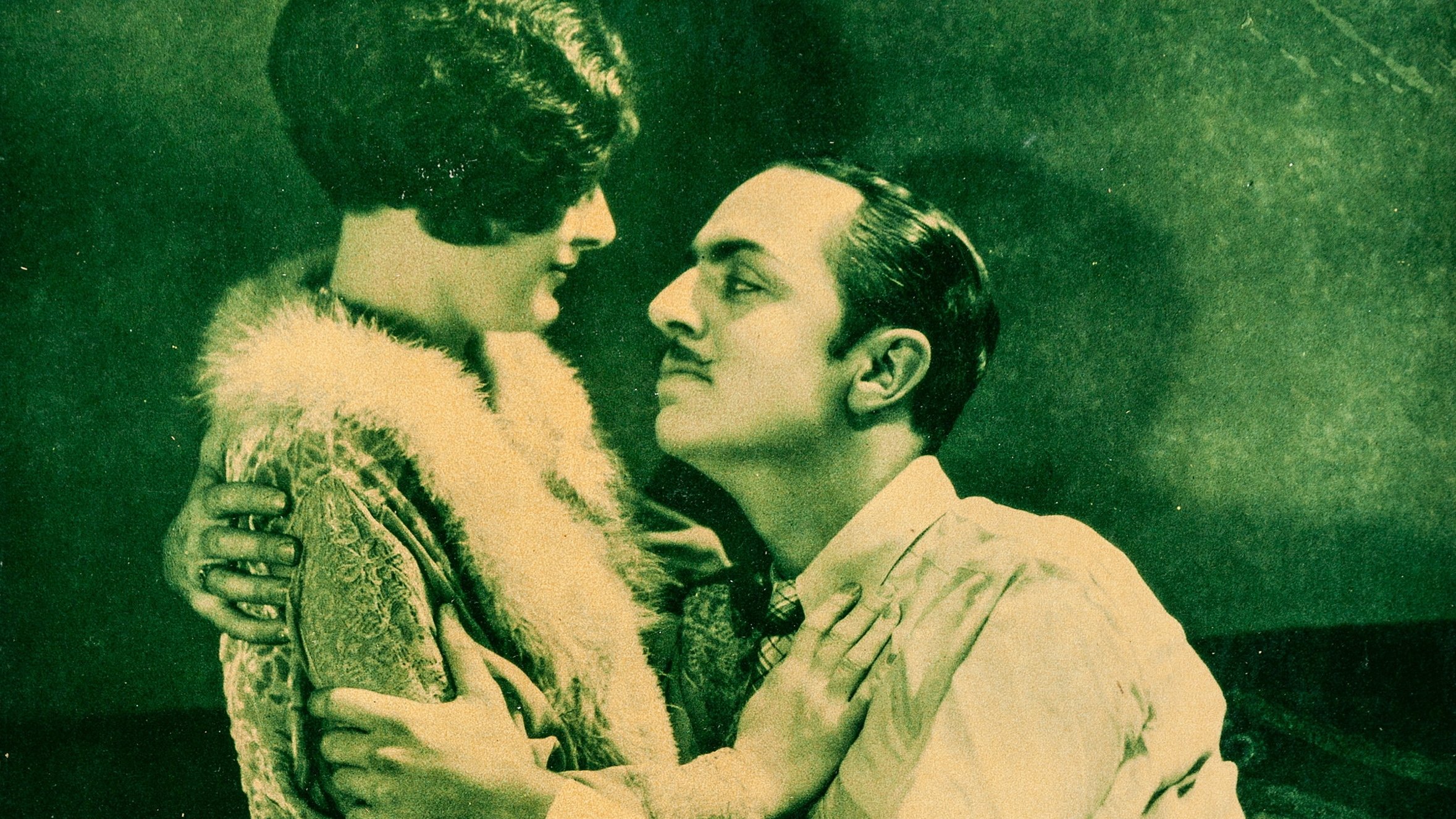
Love's Greatest Mistake
On a train bound for New York, where she hopes to find work, Honey McNeil captures the appreciative eye of William Ogden, a financier, who offers her a job. At the apartment of her married sister, Jane, Honey renews her acquaintance with Sara Foote, now a worldly New Yorker secretly jealous of Jane. Honey is disappointed when young architect Harvey Gibbs brings her home from an unspectacular evening, and she declines his numerous proposals. Ogden, already married, is also rejected by Honey, despite the luxury he offers her. Don Kendall, in conspiracy with Sara, tries to obtain love letters Ogden has written Honey, so as to blackmail him, and her refusal to give them up causes him to beat her brutally. Realizing that Ogden does not love her, Honey dismisses Gibbs, who doubts her. Jane leaves her husband and elopes with Don. Honey is ultimately united with Gibbs, who wins a prize for designing a church. The film is now lost.
Insights
Plot Summary
A young woman, blinded by her infatuation with a charming but morally bankrupt gambler, falls prey to his schemes. She becomes entangled in a dangerous world of illicit dealings, putting her reputation and freedom at risk. As the consequences of her choices mount, she must confront the harsh reality of her situation and fight for redemption before it's too late.
Critical Reception
As a silent film from 1927, specific contemporary critical reception is scarce. However, the film's melodramatic themes and performances were typical of the era, aiming to engage audiences with tales of love, betrayal, and societal pressures. Its success would have been measured by box office returns and audience engagement with its dramatic narrative.
What Reviewers Say
The film offers a dramatic portrayal of romantic entanglements and their dire consequences.
Performances are characteristic of the silent film era, focusing on expressive acting to convey emotion.
The narrative explores themes of naive love, deception, and the struggle for survival.
Google audience: Audience reviews for this silent film are not available in modern databases.
Fun Fact
Phil Rosen, the director, was a prolific filmmaker in the silent and early sound eras, known for his work on numerous B-movies and melodramas.
AI-generated overview · Verify ratings on official sources