Movie spotlight
Kuleshov Effect
An experiment in editing. This entry refers to both the initial, likely lost 1919 experiment, created using footage of Ivan Mosjoukine, and the later surviving recreation featuring two unknown actors.
Insights
Plot Summary
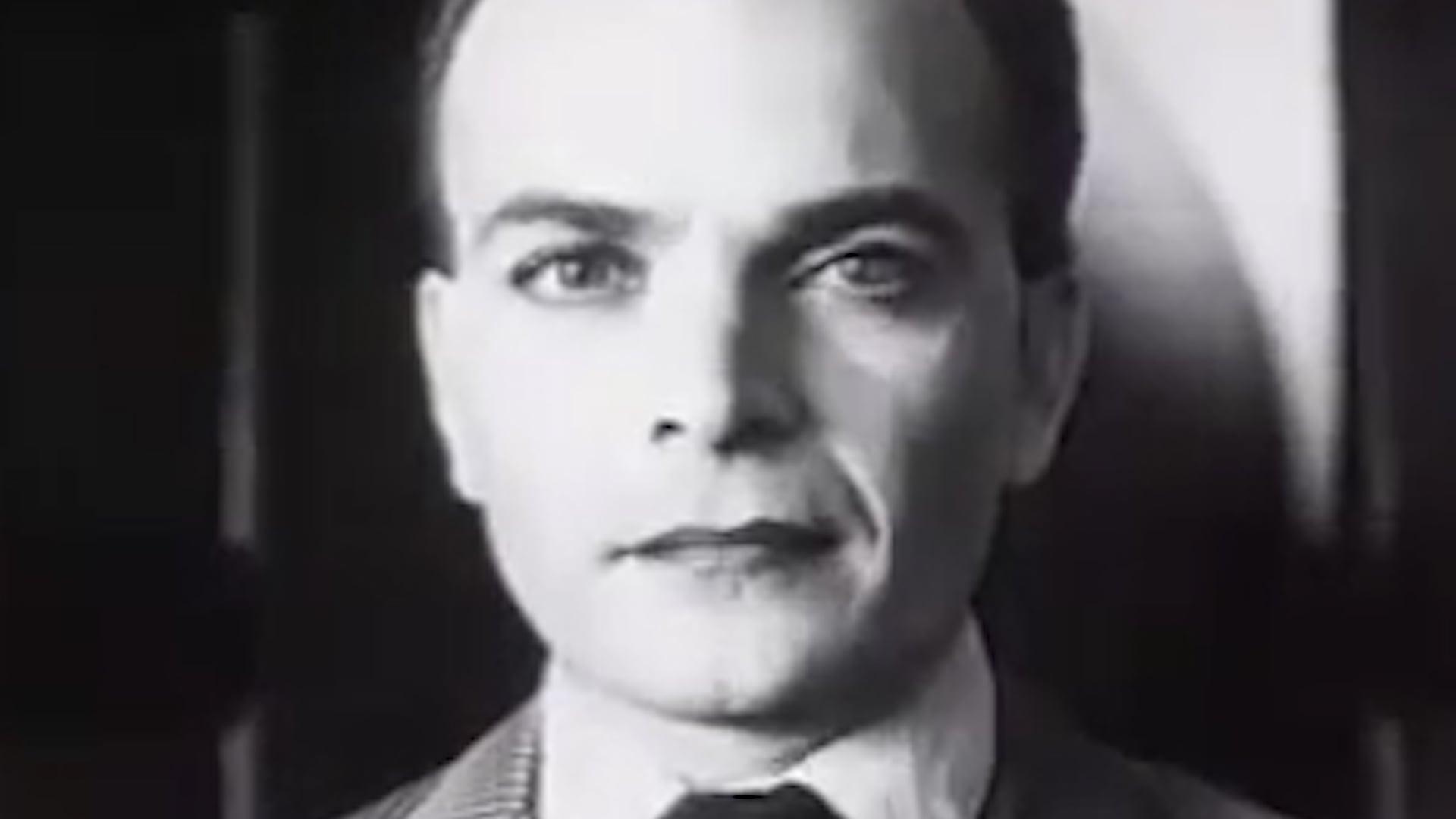
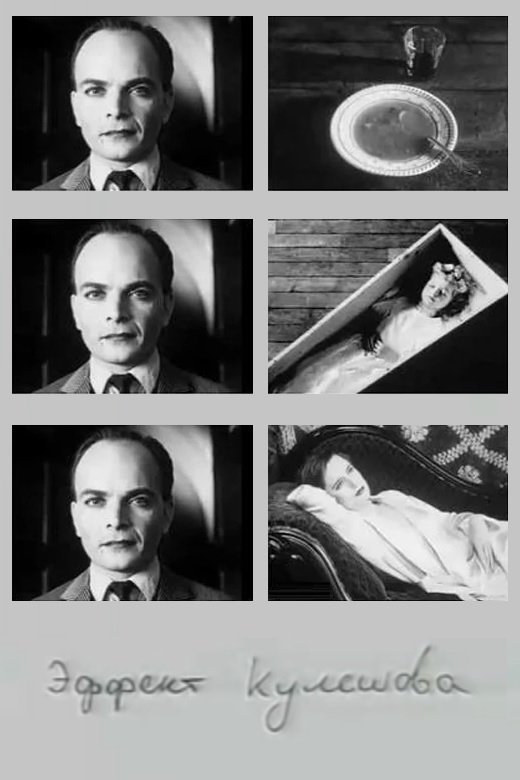
The Kuleshov Effect is not a narrative film but a series of experiments conducted by Soviet filmmaker Lev Kuleshov. Using shots of actor Ivan Mozzhukhin's face paired with different images (a bowl of soup, a girl in a coffin, a woman on a divan), Kuleshov demonstrated how the juxtaposition of shots could create emotions and meanings in the viewer's mind that were not present in the individual shots themselves. The experiments highlighted the power of film editing in manipulating audience perception.
Critical Reception
As an early film experiment, the Kuleshov Effect is foundational to film theory and editing techniques rather than being a traditionally reviewed film. Its impact is measured by its profound influence on subsequent filmmakers and the understanding of cinema's psychological impact.
What Reviewers Say
Demonstrates the power of montage and juxtaposition in filmmaking.
A cornerstone of film theory, revealing how context shapes audience interpretation.
Highlights the psychological impact of editing on perceived emotion and narrative.
Google audience: Audience reception is not applicable as it is an experimental demonstration, but its theoretical impact is widely recognized in film studies.
Awards & Accolades
None notable (theoretical significance)
Fun Fact
The 'Kuleshov Effect' is actually a composite of several experiments Kuleshov performed, most famously using a close-up of actor Ivan Mozzhukhin's face, which audiences perceived as expressing sadness, hunger, or desire depending on the subsequent image shown.
AI-generated overview · Verify ratings on official sources