Movie spotlight
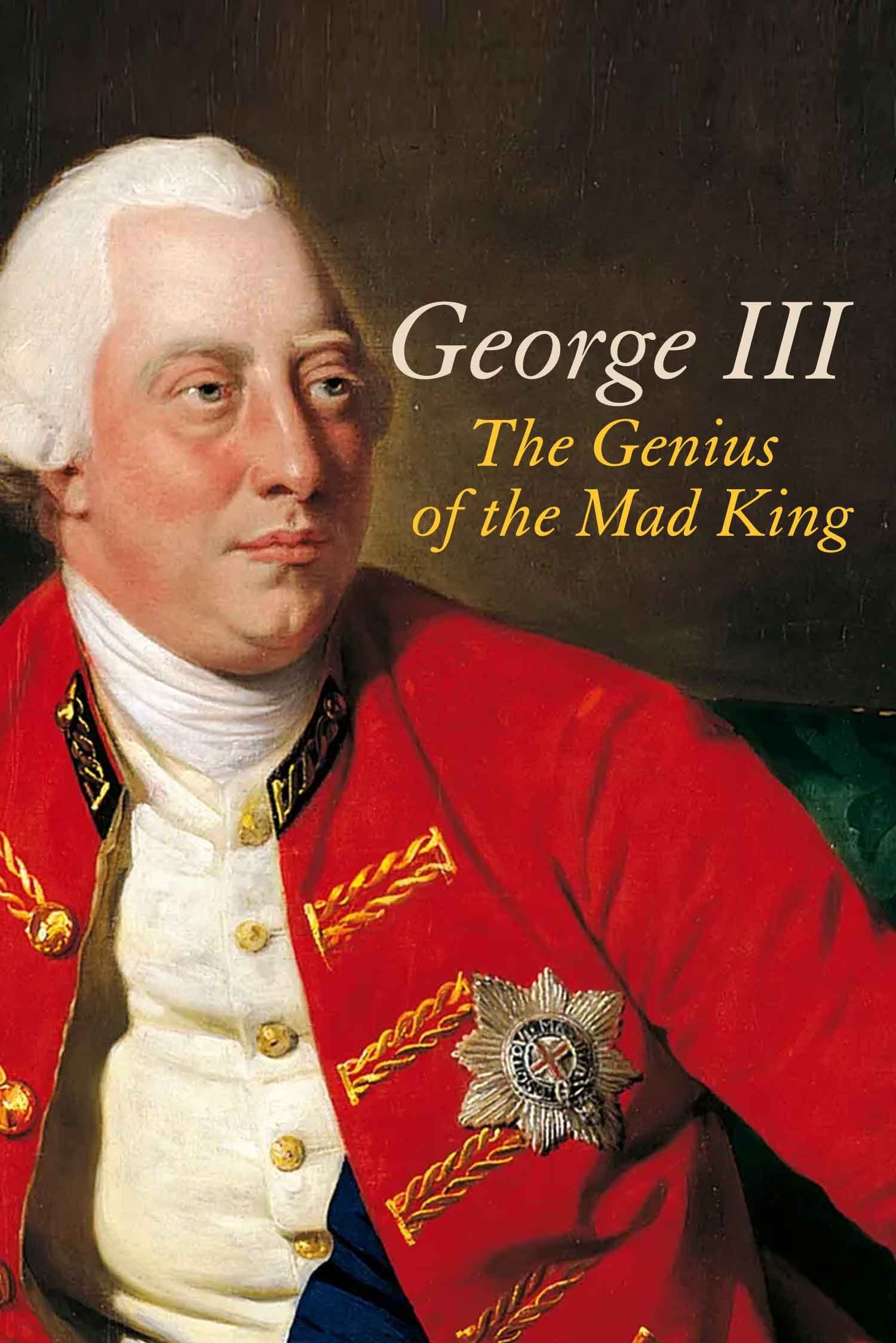
George III: The Genius of the Mad King
After 200 years under lock and key, all the personal papers of one of our most important monarchs are for the first time seeing the light of day. In the first documentary to gain extensive access to the Royal Archives, Robert Hardman sheds fascinating new light on George III, Britain's longest reigning king. George III may be chiefly remembered for his madness, but these private documents reveal a monarch who was a political micromanager and a restless patron of science and the arts, an obsessive traveller who never left southern England yet toured the world in his mind and a man who was driven (sometimes to distraction) by his sense of duty to his family and his country. Featuring Simon Callow and Sian Thomas as the voices of King George and Queen Charlotte.
Insights
Plot Summary
This documentary explores the life and reign of King George III, often remembered as 'the Mad King.' It delves into his successes and failures, his periods of mental illness, and his pivotal role in shaping British and American history. The film challenges the traditional, often simplistic, portrayal of the monarch, presenting a more nuanced view of his complex character and the challenges he faced.
Critical Reception
The documentary received positive attention for its thorough research and engaging presentation of a complex historical figure. Critics praised its effort to rehabilitate George III's image and provide a more balanced perspective than commonly found in popular history. Audiences appreciated the accessible narrative and the insights into a turbulent period of British history.
What Reviewers Say
Offers a compelling re-evaluation of a much-maligned monarch.
Presents a well-researched and engaging look at the challenges of George III's reign.
Effectively balances historical analysis with accessible storytelling.
Google audience: Information on Google user ratings for this specific documentary is not readily available.
Fun Fact
The documentary argues that George III's mental health struggles might have been exacerbated by treatments available at the time, including the use of arsenic, a substance that was also commonly used as a dye and pest control.
AI-generated overview · Verify ratings on official sources