Movie spotlight
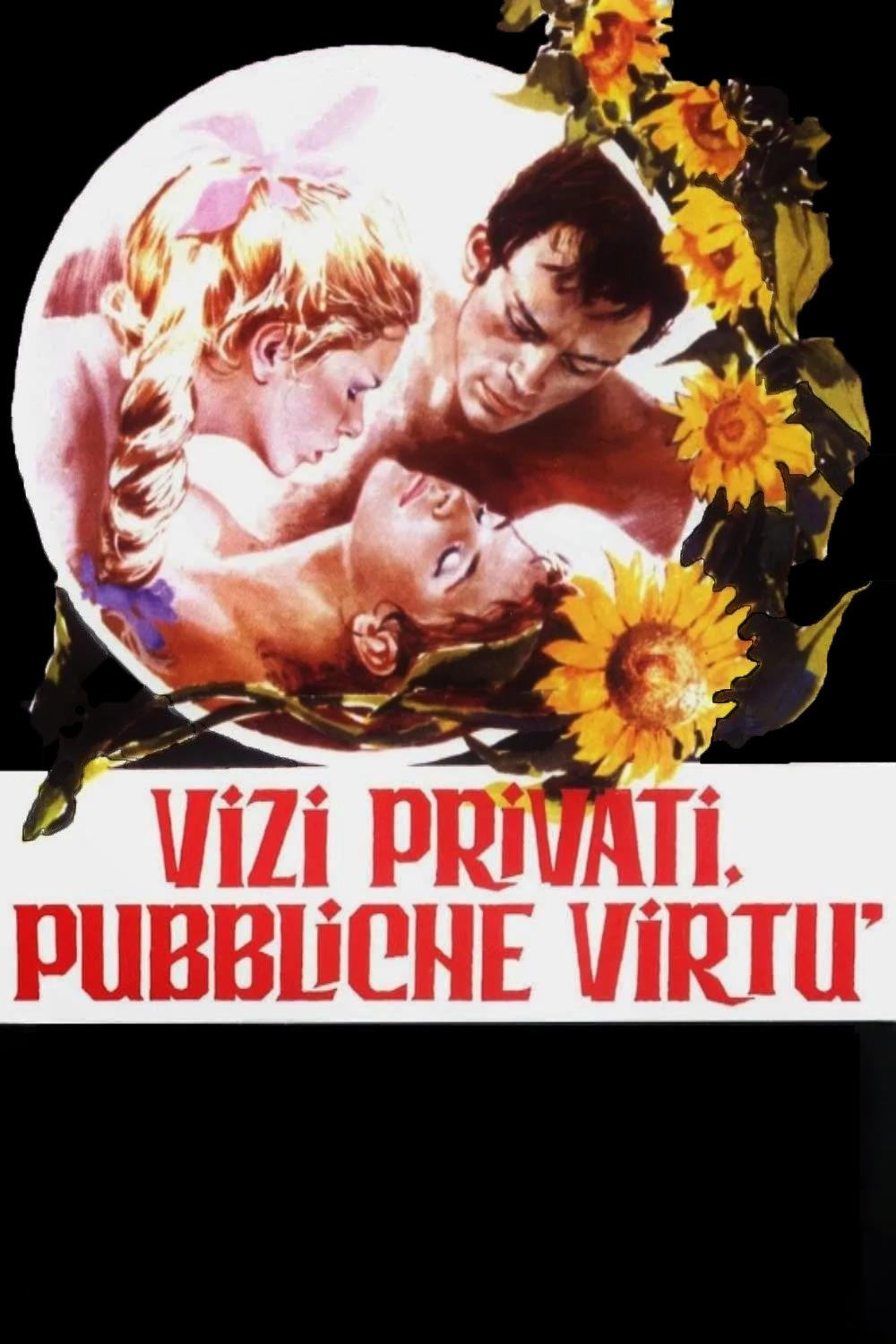
Private Vices, Public Virtues
The setting is a Central European kingdom, near the turn of the century. Bored by his very proper wife, the youthful heir to the throne spends his time in amorous dalliances at a sprawling country estate. His wife departs at the arrival of his friends, and they organize a celebration which becomes a wild orgy and culminates in death and tragedy.
Insights
Plot Summary
Set during the Austro-Hungarian Empire's decline in the early 20th century, the film follows the complex relationships and political intrigues within the Hapsburg court. It centers on Crown Prince Rudolf and his mistress, Mizzi Kaspar, amidst a backdrop of societal change and personal tragedy. The narrative explores themes of power, love, and the suffocating weight of royal duty.
Critical Reception
Miklós Jancsó's 'Private Vices, Public Virtues' is a visually striking and thematically rich examination of a dying empire and the human cost of its decay. Critically acclaimed for its distinctive style and unflinching portrayal of historical events, the film is often cited as a significant work in Jancsó's oeuvre, though its complex narrative and somber tone can be challenging for some viewers.
What Reviewers Say
Praised for its stunning visual compositions and masterful direction by Jancsó.
Noted for its poignant exploration of the decay of power and personal tragedy.
Appreciated for its historical depth and thematic complexity, though some found it demanding.
Google audience: Information regarding Google user reviews for 'Private Vices, Public Virtues' is not readily available.
Fun Fact
The film is part of a thematic cycle by Miklós Jancsó exploring historical turning points and societal upheavals in Hungarian and Central European history.
AI-generated overview · Verify ratings on official sources