
Movie spotlight
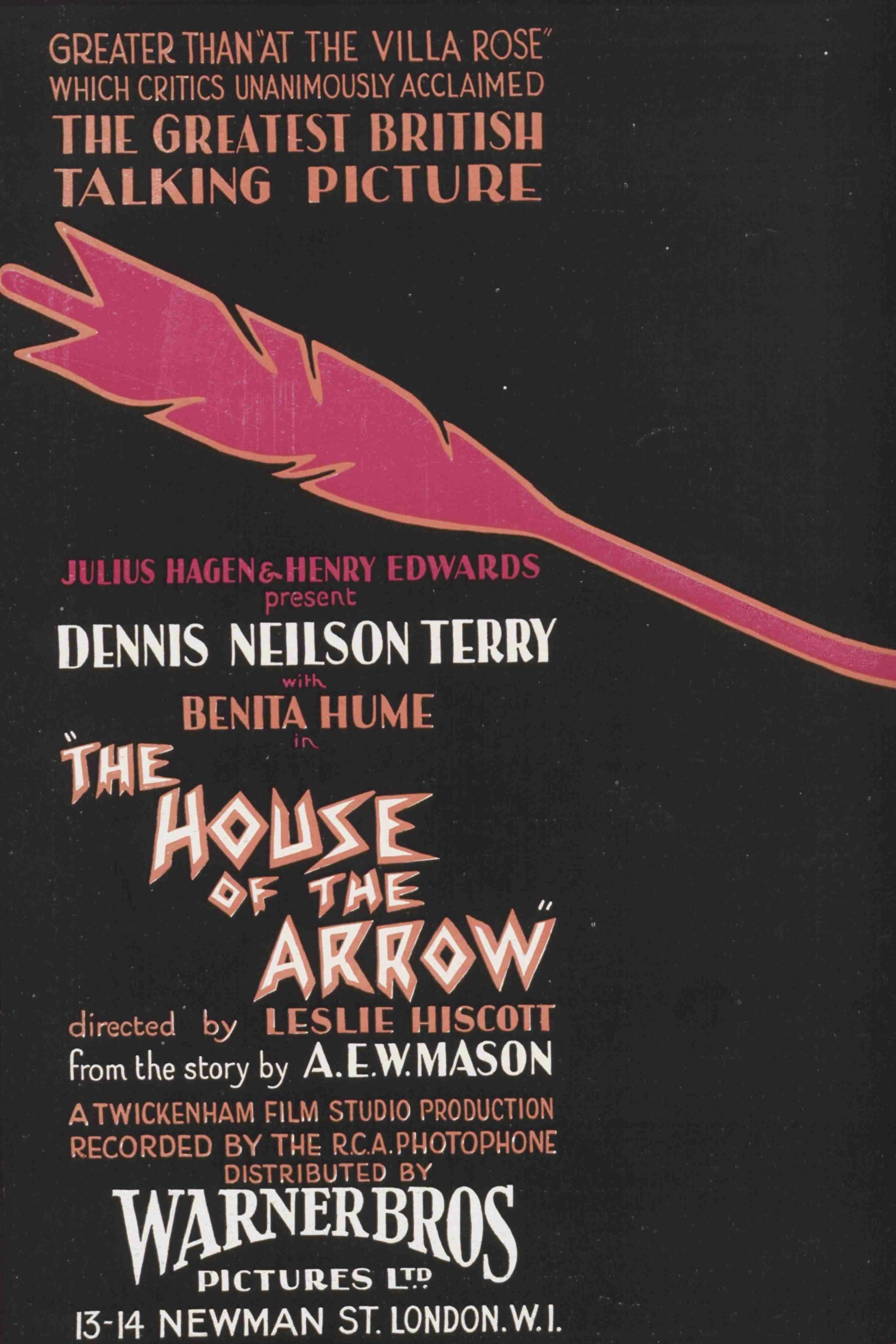
The House of the Arrow
In Dijon, Inspector Hanaud investigates Betty Harlowe after her uncle, Boris Waberski, accuses her of poisoning her wealthy aunt for an inheritance. While an initial autopsy finds nothing, Hanaud discovers the use of Strophanthus Hispidus—a rare, undetectable poison applied via an antique arrow. Amidst a flurry of "poison pen" letters and deception, Hanaud proves the murder occurred despite the lack of conventional medical evidence.
Insights
Plot Summary
A detective investigates the death of a wealthy socialite found murdered in her locked bedroom. The case is complicated by a list of potential heirs, each with a motive and an alibi. The detective must unravel the complex relationships and hidden secrets within the household to identify the killer.
Critical Reception
As an early sound film, "The House of the Arrow" was generally received as a competently made, if somewhat conventional, mystery film of its era. Critics noted its adherence to the popular detective tropes of the time and praised its atmosphere, though some found the plot predictable.
What Reviewers Say
Praised for its classic whodunit structure and suspenseful atmosphere.
Criticized by some for its reliance on familiar plot devices common in early detective films.
Generally considered a solid, if unremarkable, example of 1930s mystery cinema.
Google audience: Information on Google user reviews for this specific 1930 film is not readily available.
Fun Fact
This film is an adaptation of the 1924 novel of the same name by A. E. W. Mason, a renowned author known for his mysteries featuring the character Inspector Hanaud.
AI-generated overview · Verify ratings on official sources