
A Sporting Chance
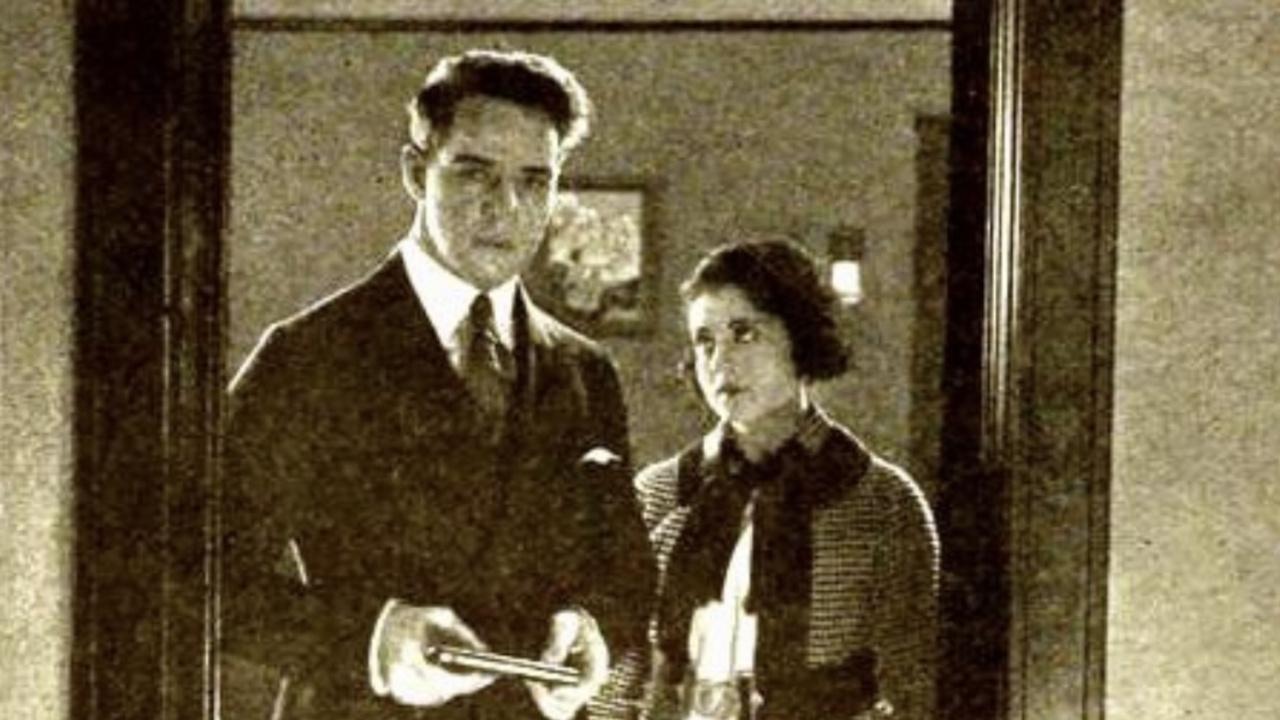
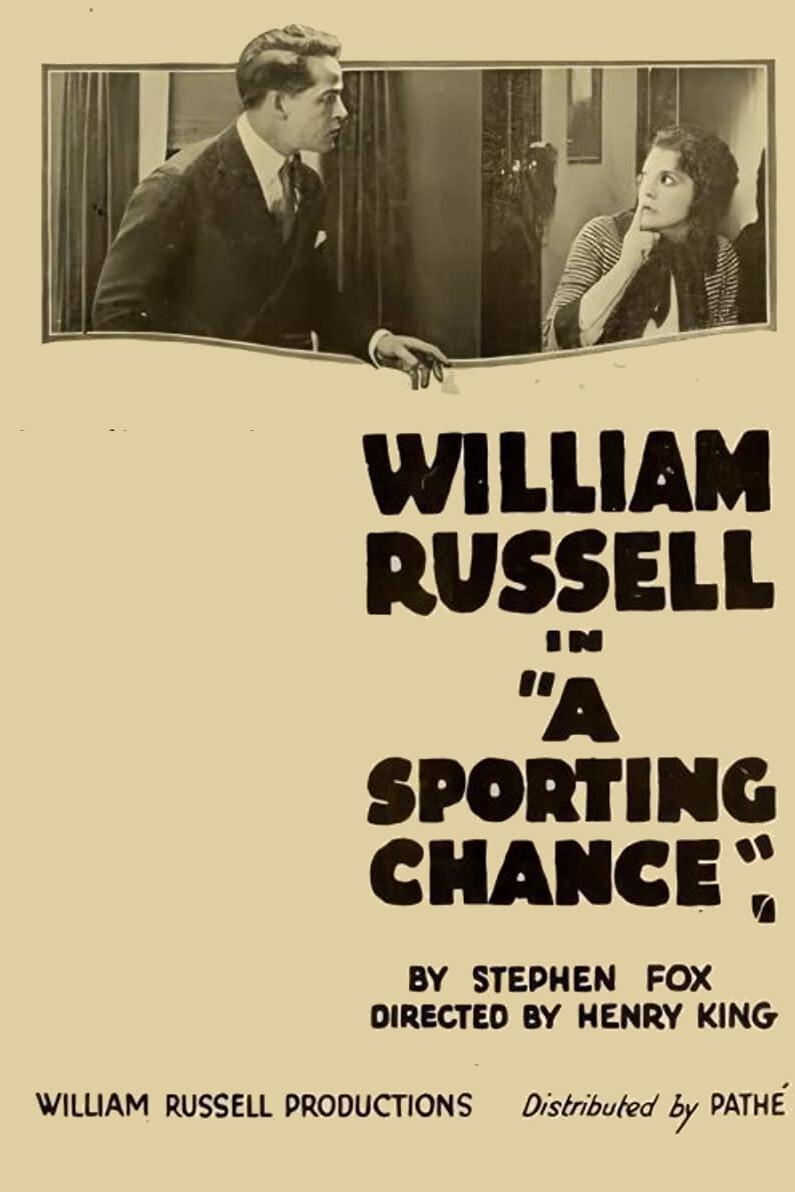
John Stonehouse (William Russell) checks into a hotel, intending to commit suicide. But instead he winds up helping a girl, Gilberte Bonheur (Fritzi Brunette), out of a jam. He finds her bending over a man who she has apparently killed, and since he's about to kill himself anyway, he offers to assume the blame. Throw a valuable emerald into the works, and the fact that the dead man suddenly comes back to life, and Stonehouse -- not to mention the audience -- becomes thoroughly befuddled by it all. Everything clears up, however, when Gilberte gives him a theater ticket -- it turns out that everything he went through was the plot to a stage play, enacted in real life by the actors. The critics roasted the play, saying it wasn't true to life, and this was their proof that the situations really could happen. Gilberte retires from acting when Stonehouse proposes.
Insights
Plot Summary
A young man, eager to prove himself and escape a life of poverty, attempts to win a horse race through a combination of skill and perhaps a bit of luck. He faces numerous obstacles, including skepticism from others and his own internal struggles. Ultimately, his success in the race allows him to achieve his dreams and find happiness.
Critical Reception
As a silent film from 1919, specific contemporary critical reception is difficult to pinpoint with modern metrics. However, films of this genre and era generally focused on straightforward narratives of triumph over adversity, often appealing to a broad audience with themes of hope and perseverance. Its production by the Dominion Film Company suggests it was intended as a family-friendly entertainment.
What Reviewers Say
- A straightforward melodrama with clear heroic and villainous characters.
- Themes of determination and the pursuit of dreams were common and well-received.
- Often featured impressive equestrian sequences for its time.
Google audience: Due to the film's age and silent nature, specific audience reviews from Google are not available. Films from this period were typically judged on their emotional impact and narrative clarity.
Fun Fact
The film was produced by Dominion Film Company, a Canadian studio that aimed to compete with Hollywood productions during the silent film era.
AI-generated overview · Verify ratings on official sources