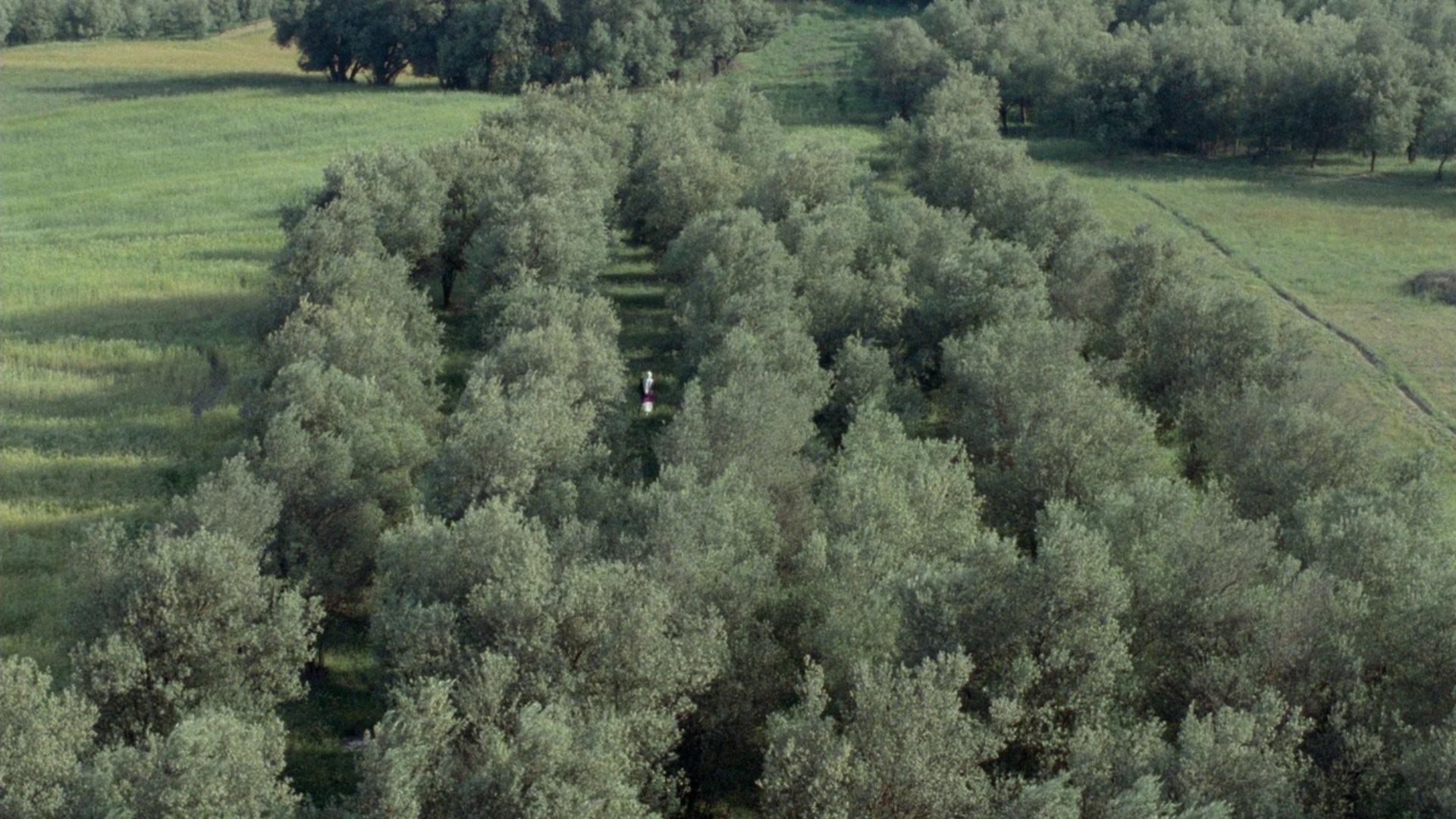


Through the Olive Trees
When the actor in a scene for his film Life And Nothing More… has to quit, a film director casts another man for the part. However, complications arise since the man and the woman who was cast for the scene know each other.
Insights
Plot Summary
This film acts as a meta-narrative, focusing on the making of another film, 'Where Is the Friend's Home?'. It follows the story of a young woman who is the sole survivor of an earthquake and desires to marry a man who doesn't reciprocate her feelings. The narrative explores the complexities of love, social class, and the blurred lines between reality and cinema as the film crew tries to capture her story.
Critical Reception
Through the Olive Trees was widely acclaimed by critics, receiving praise for its unique narrative structure and its exploration of profound themes. It is often regarded as a masterpiece of postmodern cinema and a significant work within Abbas Kiarostami's filmography.
What Reviewers Say
- Praised for its innovative meta-cinematic approach.
- Appreciated for its sensitive portrayal of human relationships and social issues.
- Hailed as a profound and philosophical cinematic experience.
Google audience: Audiences generally lauded 'Through the Olive Trees' for its unique storytelling and emotional depth, with many finding it a thought-provoking and beautiful film. Some viewers noted its slow pace but ultimately found the artistic merit and thematic exploration to be highly rewarding.
Awards & Accolades
Selected as the Iranian entry for the Best Foreign Language Film at the 67th Academy Awards, though it was not nominated. It received significant attention and awards at various international film festivals.
Fun Fact
The film is the third part of Kiarostami's 'Koker Trilogy', with the previous films being 'Where Is the Friend's Home?' (1987) and 'And Life Goes On' (1992). The cast members in 'Through the Olive Trees' are largely the same as those in 'And Life Goes On'.
AI-generated overview · Verify ratings on official sources