
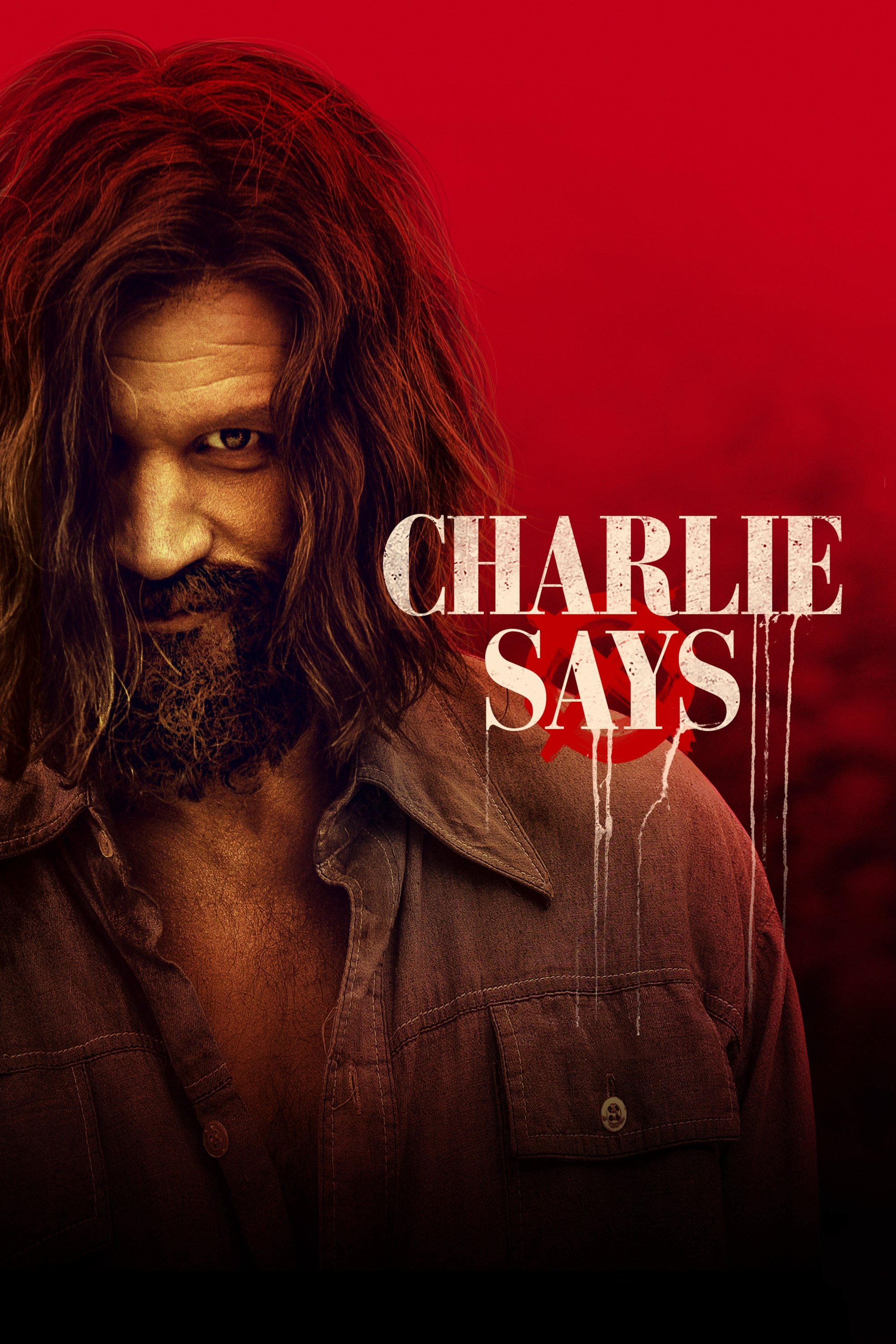



Charlie Says
Three young women were sentenced to death in the infamous Manson murder case, but when the death penalty was lifted, their sentence became life imprisonment. One young graduate student was sent in to teach them – and through her we witness their transformations as they face the reality of their horrific crimes.
Insights
Plot Summary
In the late 1960s, three young women fall under the spell of Charles Manson, eventually becoming his devoted followers and participating in his violent crimes. The film focuses on the women's perspective, exploring how they were manipulated and their eventual struggle for redemption after being incarcerated.
Critical Reception
Charlie Says received generally positive reviews from critics, who praised Mary Harron's direction, the performances of the lead actresses, and its unique approach to the Manson Family narrative by focusing on the female followers. Some critics noted that while it offered a fresh perspective, it didn't delve as deeply into the psychological manipulation as it could have.
What Reviewers Say
- Praised for its focus on the female perspective within the Manson Family.
- Lauded for Mary Harron's atmospheric direction and the strong ensemble cast.
- Noted for its exploration of how young women were radicalized and manipulated.
Google audience: Google users generally appreciated the film's unique angle on the Manson story, highlighting the performances and the psychological depth explored in the female characters' narratives. Some viewers found the depiction of the manipulation effective, while others felt it could have been more impactful.
Fun Fact
Actress Siobhan Williams, who plays Leslie Van Houten, reportedly spent time researching cult dynamics and the psychology of followers to prepare for her role, aiming to portray the character's journey from indoctrination to remorse.
AI-generated overview · Verify ratings on official sources
My Review
TMDB Reviews
1 reviews