Movie spotlight
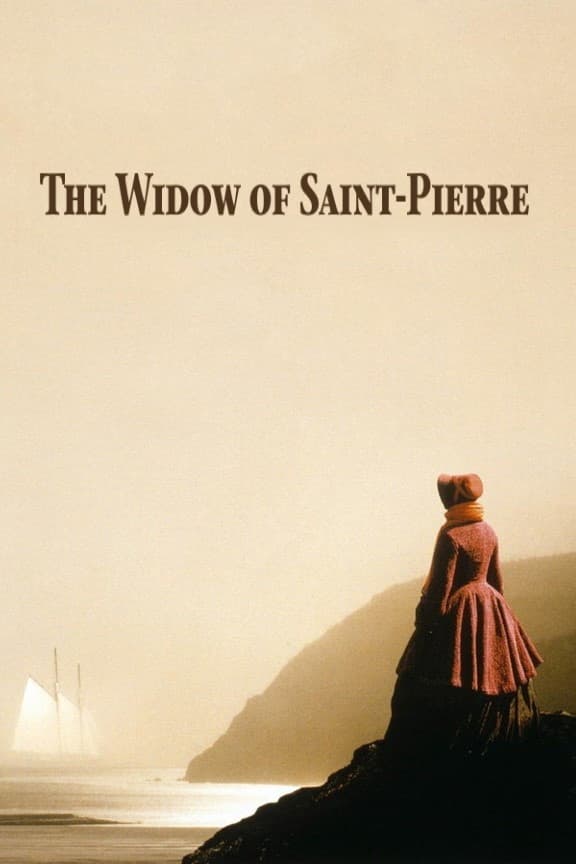
The Widow of Saint-Pierre
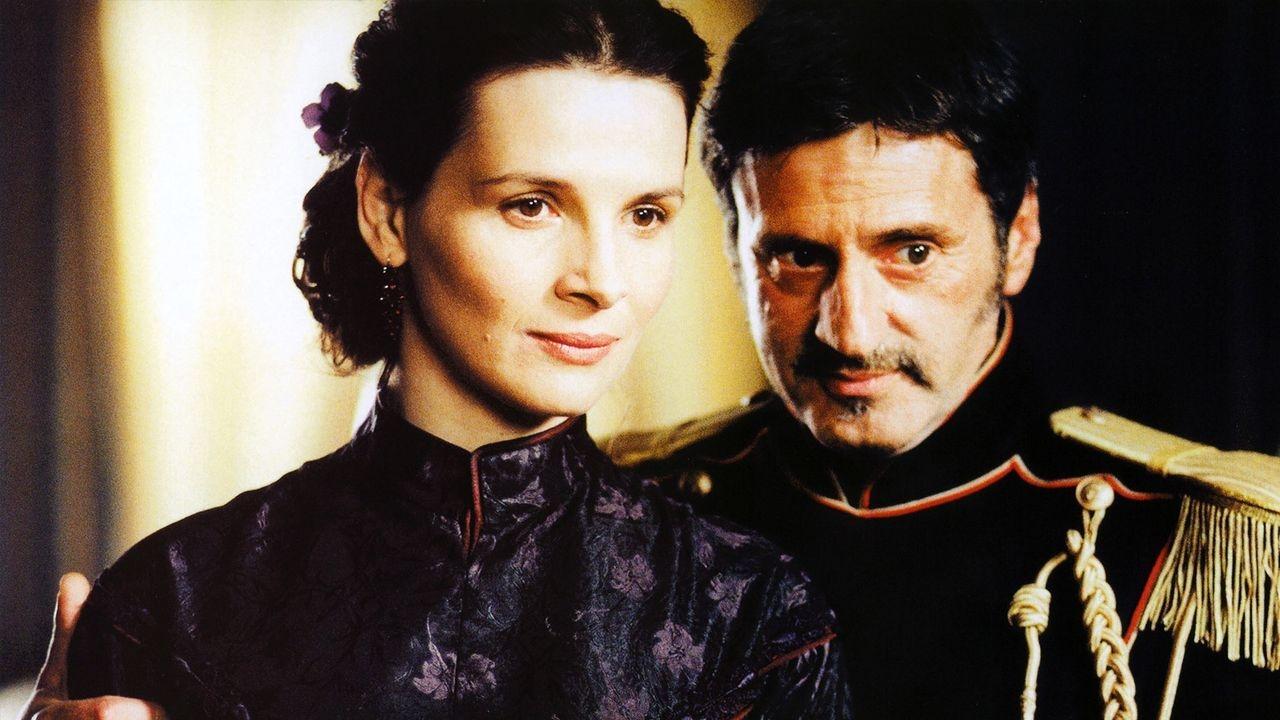
In 1850, on the isolated French island of Saint-Pierre, a murder shocks the natives. Two fishermen are arrested. One of them, Louis Ollivier, dies in custody. The other, Neel Auguste, is sentenced to death by the guillotine. The island is so small that it has neither a guillotine nor an executioner. While those are sent for Auguste is placed under the supervision of an army Captain.
Insights
Plot Summary
In the harsh winter of 1890 on the remote island of Saint-Pierre-et-Miquelon, a man is condemned to the guillotine. However, the execution is delayed due to a faulty guillotine. The island's governor, Jean, and his wife, a compassionate woman, find themselves increasingly at odds with the islanders and the justice system as they grapple with the man's fate.
Critical Reception
The film received mixed to positive reviews, with many critics praising its atmospheric portrayal of a remote, unforgiving setting and the moral quandaries it presented. Some found the pacing deliberate, while others appreciated its character-driven narrative and emotional depth.
What Reviewers Say
Praised for its stark, beautiful cinematography and evocative atmosphere.
Applauded for strong performances, particularly from Juliette Binoche.
Some found the film's slow pace and bleak themes challenging.
Google audience: Audience reviews generally highlight the film's historical setting and emotional weight, with many appreciating the nuanced performances. Some viewers found the story somber and slow-moving.
Awards & Accolades
Nominated for Best Foreign Language Film at the 2001 Golden Globe Awards.
Fun Fact
The film was shot on location in Quebec, Canada, to replicate the isolation and harsh winter conditions of Saint-Pierre-et-Miquelon.
AI-generated overview · Verify ratings on official sources