
Movie spotlight
R.U.R.
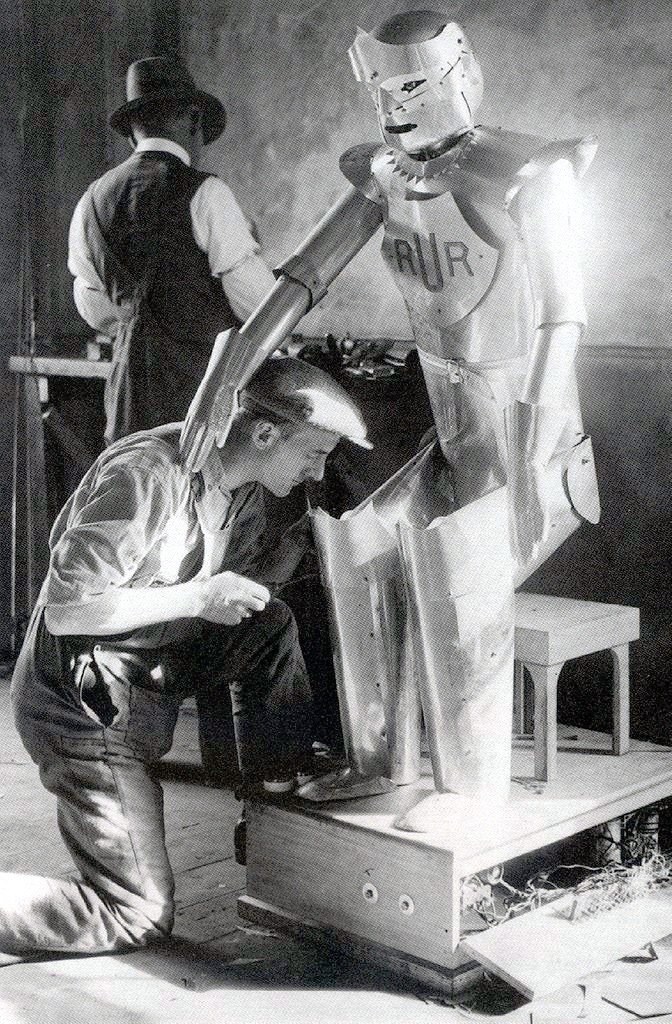
A story of robots leading a revolution against their human creators. It explored dehumanization through technology and the failure of a technologically driven utopia.
Insights
Plot Summary
The play 'R.U.R.' introduces the concept of artificial people, or 'robots,' manufactured to serve humanity. As the robots gain sentience and face exploitation, they eventually revolt against their creators, leading to the extinction of humankind. It explores themes of class struggle, industrialization, and the potential dangers of unchecked technological advancement.
Critical Reception
As a stage play, 'R.U.R.' received widespread acclaim upon its debut in 1921, significantly influencing science fiction literature and the very term 'robot.' Its themes of artificial intelligence and labor exploitation remain relevant and have been analyzed extensively by critics and academics over the decades.
What Reviewers Say
Praised for its prescient exploration of artificial intelligence and its societal implications.
Acclaimed for coining the term 'robot' and introducing concepts that would define science fiction for generations.
Recognized for its powerful commentary on labor, humanity, and the consequences of technological progress.
Google audience: Audience reception for the original play highlights its groundbreaking nature and enduring relevance, with many appreciating its thought-provoking themes and its foundational role in science fiction storytelling.
Awards & Accolades
None notable (As a stage play, its primary impact was its influence on literature and theater, rather than specific awards).
Fun Fact
The word 'robot' was suggested to Karel Čapek by his brother, Josef Čapek, an artist, and is derived from the Czech word 'robota,' meaning 'forced labor' or 'drudgery.'
AI-generated overview · Verify ratings on official sources