
Wuchak
**_“I’m just trying to stay alive… and stay human”_** This marked the reteaming of director Stuart Rosenber and Paul Newman after their success with “Cool Hand Luke” 2½ years earlier. Robert Stone wrote the script based on his 1967 book ...

Movie spotlight
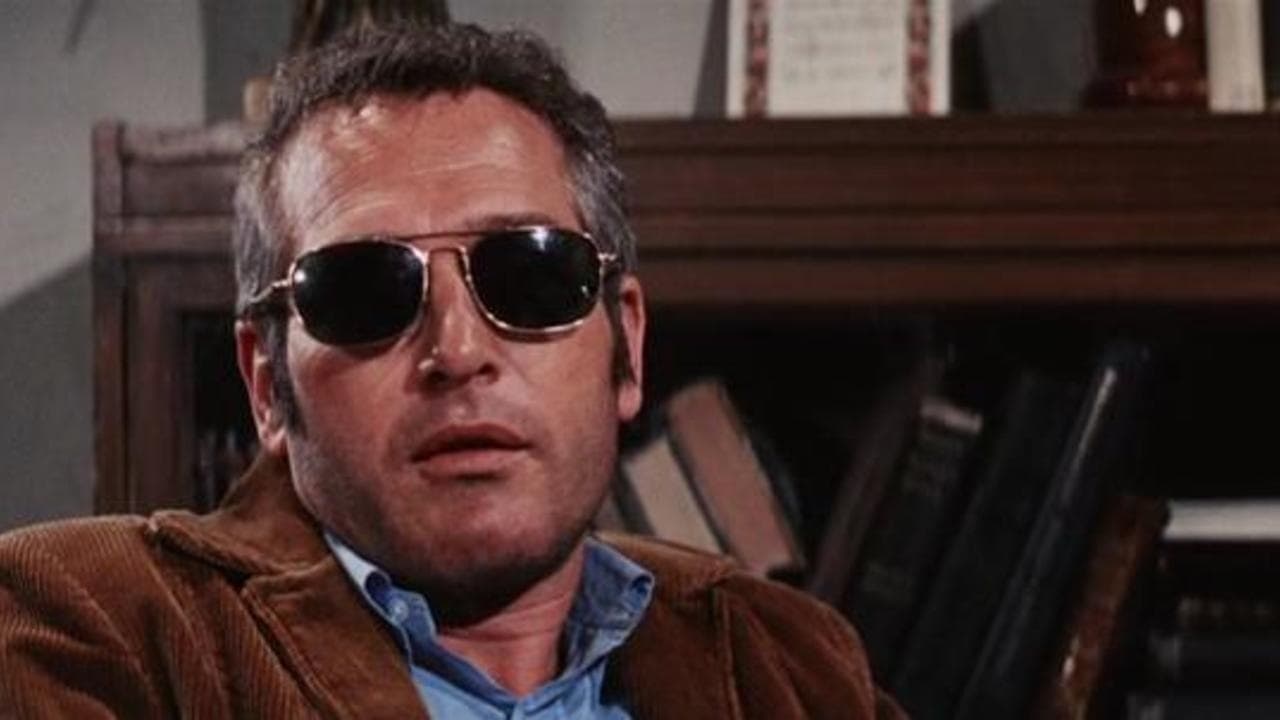
Rheinhardt, a cynical drifter, gets a job as an announcer for right-wing radio station WUSA in New Orleans. Rheinhardt is content to parrot WUSA's reactionary editorial stance on the air, even if he doesn't agree with it. Rheinhardt finds his cynical detachment challenged by a lady friend, Geraldine, and by Rainey, a neighbour and troubled idealist who becomes aware of WUSA's sinister, hidden purpose. And when events start spinning out of control, even Rheinhardt finds he must take a stand.
**_“I’m just trying to stay alive… and stay human”_** This marked the reteaming of director Stuart Rosenber and Paul Newman after their success with “Cool Hand Luke” 2½ years earlier. Robert Stone wrote the script based on his 1967 book ...