
Movie spotlight
Bloodiest Flower
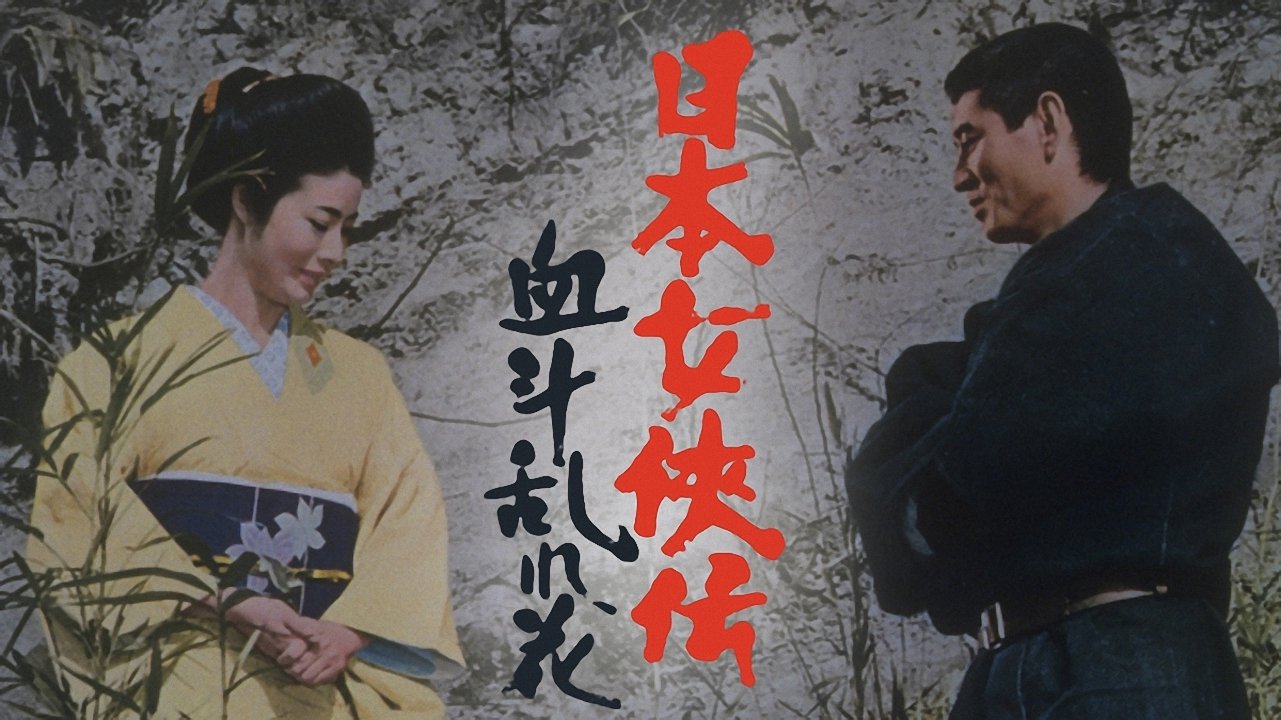
A dramatic captivating tale tells of widowed Tei (Junko Fuji), she has become a coalmine operator and is determined to be successful despite mining being a predominately male domain. Overcoming the natural hardships, a more serious threat to Tei and her mine, the menacing presence of rival mining gangs who sense her vulnerability... Nihon jokyo-den:ketto midarw-bana is an outstanding drama, highlighted by wonderful characterizations/performances. Yamashita's excellent direction maintains a rich emotional flow from the opening seconds to the last. Intense and bloody encounters punctuate throughout the engaging multi layered tale!
Insights
Plot Summary
A young woman inherits a remote, dilapidated mansion from a distant relative, only to discover it's haunted by a vengeful spirit. As strange occurrences escalate, she must uncover the dark secrets of the house and its former inhabitants before she becomes the next victim. The spirit's malevolent presence seems tied to a tragic past event within the mansion's walls.
Critical Reception
The film received mixed to positive reviews, often praised for its atmospheric horror and effective scares, though some critics found its plot somewhat predictable. It's considered a notable entry in Japanese horror cinema of the early 1970s.
What Reviewers Say
Praised for its unsettling atmosphere and suspenseful build-up.
Noted for its effective use of visual horror elements.
Some found the narrative pacing to be uneven.
Google audience: Audience reviews are scarce, but those available often highlight the film's effectiveness as a classic ghost story with a chilling climax.
Fun Fact
The film is known for its distinctive visual style, blending traditional Japanese horror tropes with elements of Western gothic horror.
AI-generated overview · Verify ratings on official sources