Movie spotlight
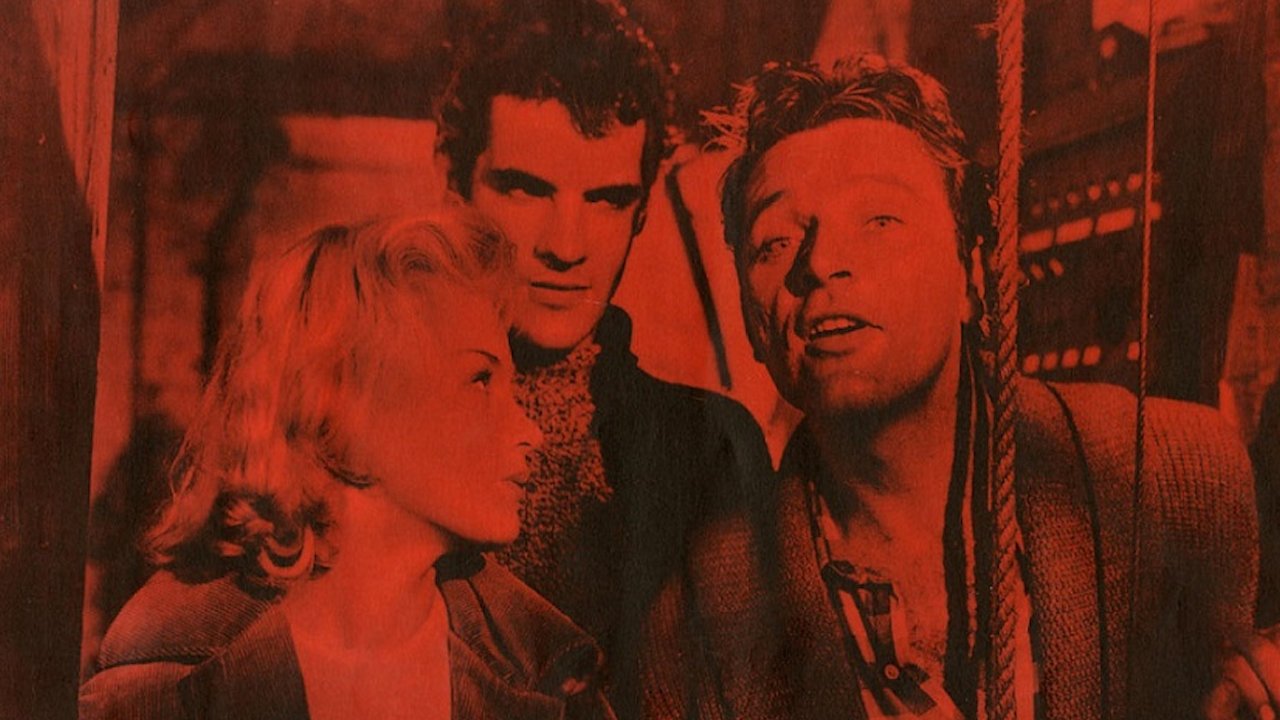
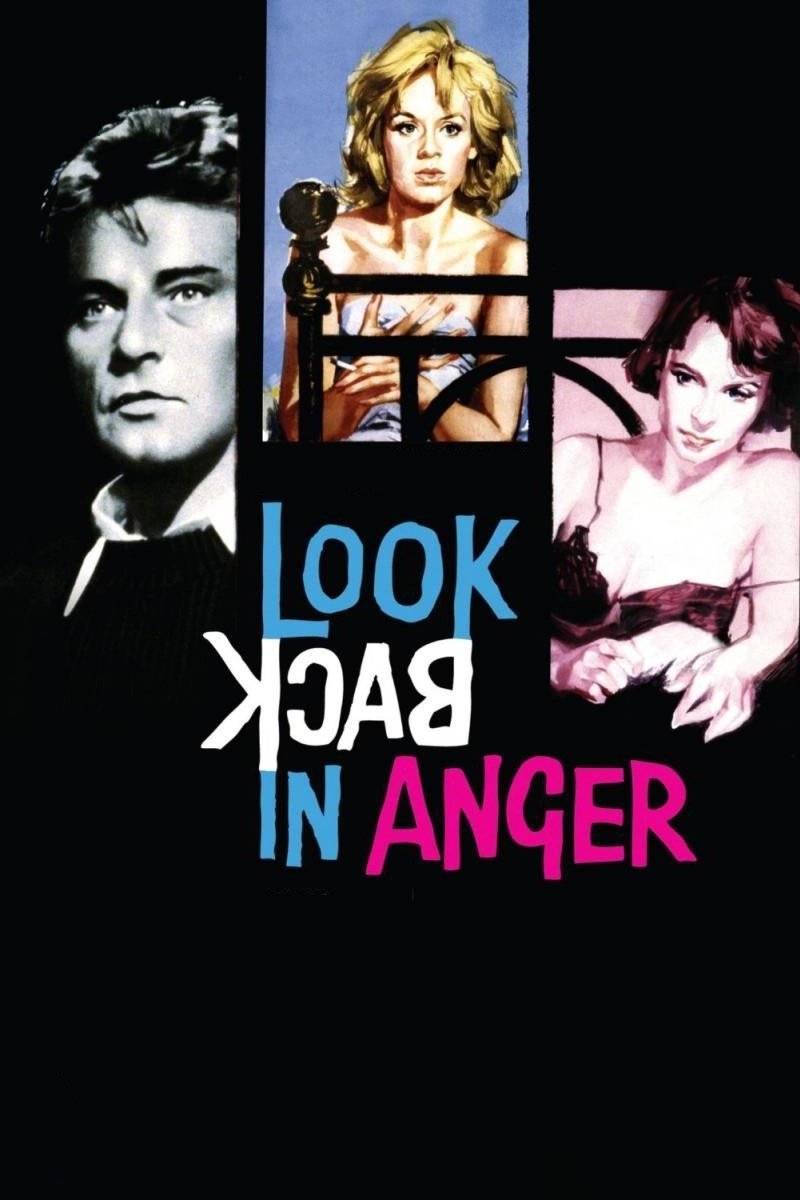
Look Back in Anger
A disillusioned, angry university graduate comes to terms with his grudge against middle-class life and values.
Insights
Plot Summary
Jimmy Porter, a passionate and educated young man from the working class, is married to the upper-class Alison. Their marriage is fraught with tension due to Jimmy's aggressive dissatisfaction with his life, his social standing, and his perceived betrayal by Alison. Their struggles are further complicated by the presence of Alison's family and Jimmy's loyal but distant friend, Cliff.
Critical Reception
The film adaptation of John Osborne's groundbreaking play was met with a mixed but significant reception, lauded for its raw portrayal of post-war disillusionment and its powerful central performance. While some critics found its intensity overwhelming, others praised its unflinching realism and its contribution to the kitchen sink realism movement.
What Reviewers Say
Praised for Richard Burton's intense and magnetic performance as the volatile Jimmy Porter.
Acknowledged for its gritty and authentic depiction of working-class frustration and post-war ennui.
Criticized by some for its bleakness and unrelenting dramatic tension.
Google audience: Audience reception data for this film is not readily available on Google's platform. However, general sentiment points to its status as a significant, albeit challenging, piece of British cinema.
Awards & Accolades
Nominated for the Palme d'Or at the 1959 Cannes Film Festival. Richard Burton received a BAFTA nomination for Best Actor.
Fun Fact
The film was shot in color, a departure from the black-and-white aesthetic often associated with British 'kitchen sink drama' of the era.
AI-generated overview · Verify ratings on official sources