Movie spotlight
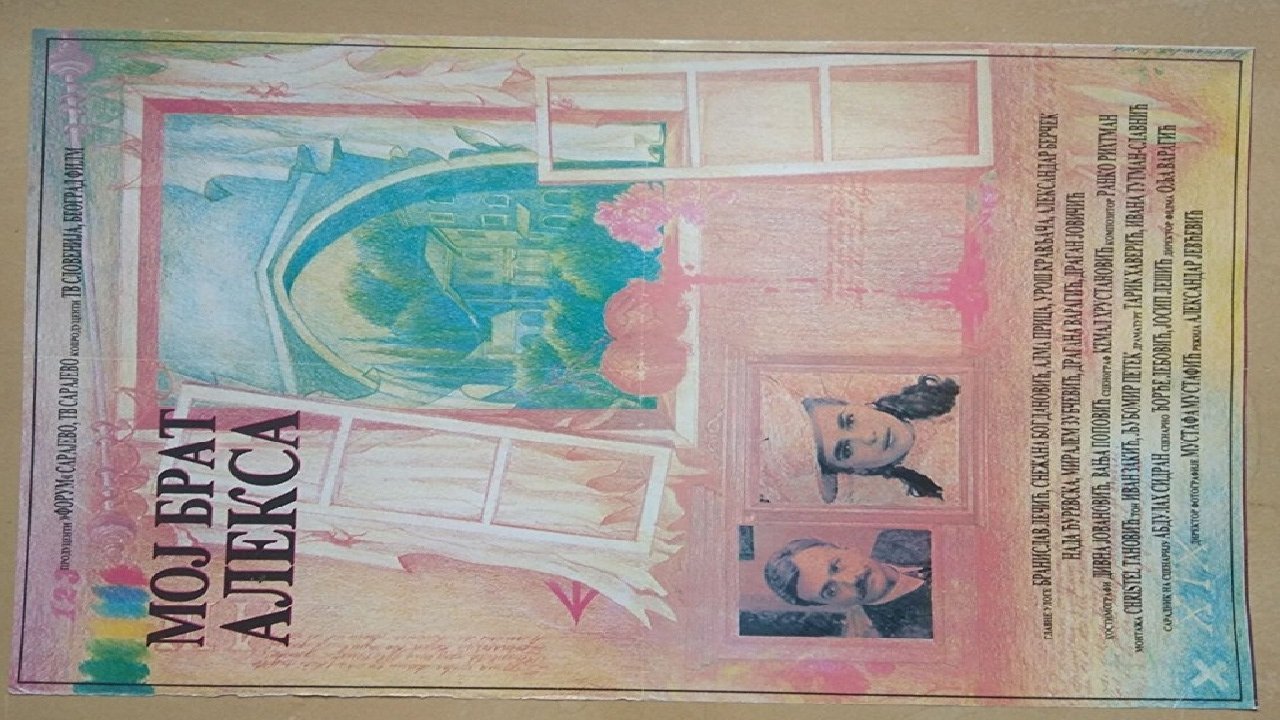
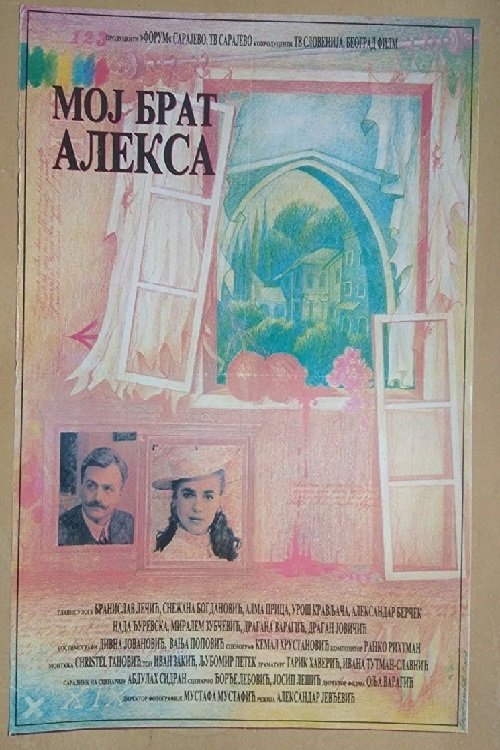
My Brother Aleksa
The story of poet Aleksa Santic, visionary and romanticist, great loser in private life. The poet was born in strict patriarchal, rich trading family from Mostar, in conservative social environment, in controversial times in the end of XIX and beginning of XX century. As a young man, he falls in love with the Slavonian girl, Anka Tomlinovic, daughter of poor photographer, leaving her under pressure of his family. Later, he meets Zorka Solina, young and rich girl from Mostar who, again because of the interests of her family, leaves the poet. In his mature years, Aleksa Santic engages himself passionately in social and political life of his age. Disappointments, poverty, sickness and loneliness follow. And the certainty of early death. His older brother tells the story of poet's life, while he is dying.
Insights
Plot Summary
In the heart of Belgrade, young Aleksa finds himself caught between societal expectations and his own burgeoning desires. His life is a tapestry woven with familial duty, the complexities of burgeoning adulthood, and the poignant realization of his own identity. The film delicately explores his internal struggles as he navigates a world that often fails to understand him.
Critical Reception
My Brother Aleksa was met with a generally positive reception, lauded for its sensitive portrayal of adolescent awakening and its nuanced depiction of family dynamics. Critics praised its gentle humor and the empathetic performances of its cast, particularly Mirjana Joković.
What Reviewers Say
Praised for its sensitive and nuanced exploration of a young man's journey of self-discovery.
The film's blend of gentle humor and dramatic depth was a significant highlight.
Mirjana Joković's performance received particular acclaim for its emotional resonance.
Google audience: Information regarding specific Google user reviews is not readily available.
Fun Fact
The film was made during a tumultuous period in Yugoslavian history, and its focus on personal and familial relationships provided a poignant counterpoint to the broader sociopolitical landscape.
AI-generated overview · Verify ratings on official sources